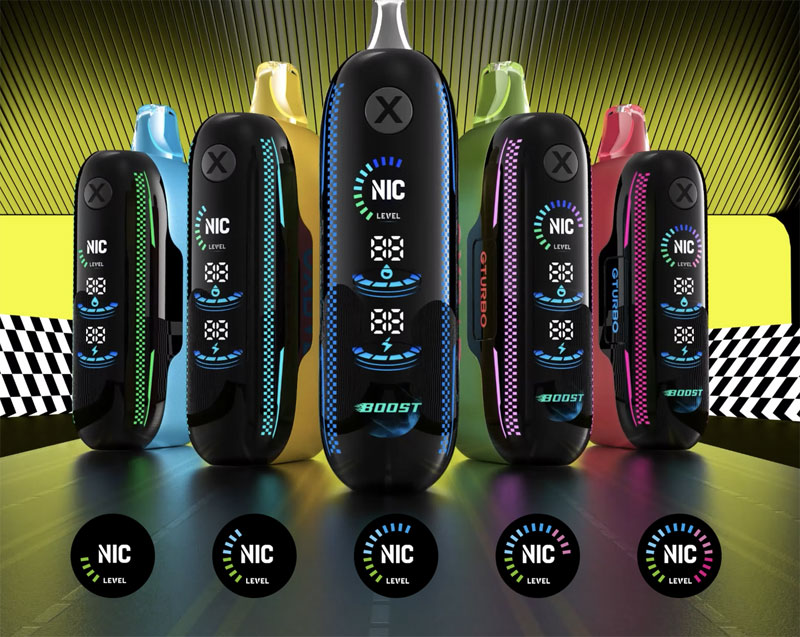
Electronic cigarettes, commonly known as e-cigarettes, have dramatically reshaped smoking habits globally. Unsurprisingly, they are frequently at the center of discussions concerning traditional smoking alternatives. So, what is an electronic cigarette? Essentially, it is a handheld device that simulates smoking by producing vapor and is powered by a rechargeable battery. This vapor contains nicotine, which is extracted from tobacco, alongside other chemicals and flavorings to enhance the user’s experience.
Components and Mechanism
An electronic cigarette typically consists of three main components: a battery, a heating element, and a cartridge that contains the e-liquid. Upon activation, the battery supplies power to the heating element, which vaporizes the liquid. Users then inhale this vapor, satisfying their nicotine cravings without the harmful effects associated with traditional tobacco smoke.
Benefits of Switching to E-Cigarettes
Many smokers consider e-cigarettes a safer alternative due to the absence of tar and other toxicants found in cigarette smoke. This makes them comparatively less harmful and could potentially reduce health risks over time. Furthermore, e-cigarettes are often welcomed in smoke-free areas, providing flexibility and broader acceptance in various social settings.
Variety and Customization
The electronic cigarette market has diversified remarkably, offering various flavors and nicotine strengths to cater to consumer preferences. Enthusiasts can choose from hundreds of flavors like mint, chocolate, and fruit mixes, making the vaping experience personalized and enjoyable. The customization factor extends even further, with adjustable devices allowing users to control vapor output and temperature.
The Impact on the Smoking Industry

E-cigarettes have undeniably influenced the global smoking landscape. Reports indicate a decline in traditional cigarette sales as more people switch to vaping devices. The technology is seen as a tool for tobacco harm reduction, offering smokers a stepping stone towards quitting nicotine altogether.
Despite their popularity, e-cigarettes are subject to debate and scrutiny. Regulatory bodies are concerned about their safety, particularly the impact of long-term use. Moreover, the appeal of flavored liquids could inadvertently lure non-smokers, especially young individuals, into developing nicotine addiction.
Common Misconceptions
It’s crucial to distinguish e-cigarettes from other smoking cessation products. While patches and gums aid in quitting, e-cigarettes are primarily designed as alternatives to traditional smoking. Consequently, some users find themselves sustaining nicotine addiction rather than eliminating it.
Frequently Asked Questions
- How do e-cigarettes differ from regular cigarettes?
E-cigarettes do not produce smoke; they release vaporized nicotine, reducing exposure to harmful substances found in tobacco smoke.
- Are electronic cigarettes safe?
Though considered less harmful than traditional cigarettes, e-cigarettes are not entirely risk-free, and their safety over long-term use is still under investigation.
- Can e-cigarettes help in quitting smoking?
For some, they serve as a less harmful alternative, but they are not primarily marketed as smoking cessation tools and could prolong nicotine dependencies.

In summary, while e-cigarettes offer an innovative approach to consuming nicotine, it is vital to be aware of their limitations and risks. Continual research is crucial to fully understand their health implications and ensure consumer safety.