Exploring the Components of E-Cigarettes
Electronic cigarettes, commonly referred to as e-cigs, have revolutionized the way people consume nicotine. Their popularity has surged, prompting many individuals to inquire about what precisely constitutes the ingredients of these devices. Understanding electronic cigarette ingredients is essential for both seasoned users and newcomers.
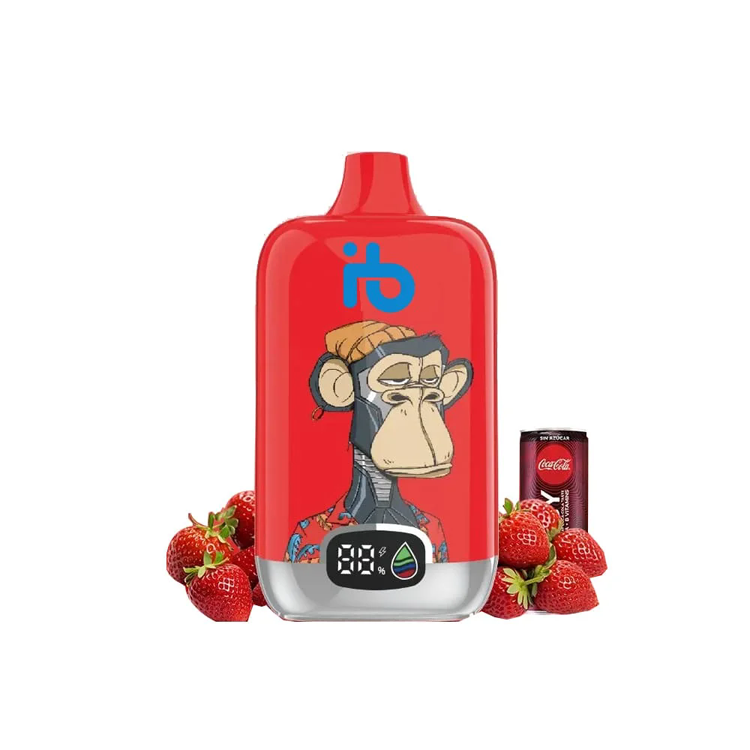
The Core Components of E-Cigarette Juice
Every e-cigarette relies on a liquid known as e-liquid or vape juice. The primary ingredients found in this liquid are Propylene Glycol (PG), Vegetable Glycerin (VG), nicotine, and flavorings. PG is a synthetic compound that carries flavor well and is responsible for the throat hit that many users crave. VG, on the other hand, is derived from plants and is responsible for producing large clouds of vapor.
Nicotine content in e-liquids can vary significantly depending on the brand and user preferences. Some e-liquids are nicotine-free, catering to those who want only the sensation of vaping without the addictive substance. Flavorings play a crucial role as they allow for a plethora of taste profiles, ranging from fruity to dessert-like experiences.
Additional Ingredients
Besides the core components, e-liquids may contain additives for stabilization and flavor enhancement. These can include natural and artificial flavoring agents, sweeteners, and acids like citric acid.
Essential Considerations
It’s vital to consider the safety of these compounds, although most manufacturers adhere to strict guidelines to ensure product safety. Purchasers should conduct their own research to understand the safety profiles of the brand and its ingredients.
Impact of Ingredients on Health
While e-cigarettes are often marketed as a safer alternative to smoking, the long-term effects of inhaling their ingredients remain a topic of ongoing research and debate among health professionals.