Understanding E-Cigarettes: Are They Effective in Smoking Cessation?
E-cigarettes, often branded as a healthier alternative to traditional smoking, have sparked widespread debates on their efficacy. The focus here is on understanding how e-cigarettes function and whether they are a viable tool for quitting smoking.
E-cigarettes, technically known as electronic nicotine delivery systems (ENDS), are designed to mimic the experience of smoking while reducing exposure to harmful substances found in tobacco smoke. They consist of a battery, an atomizer, and a cartridge containing e-liquid, which is typically comprised of nicotine, propylene glycol, glycerin, and flavorings. Utilizing this intricate design, e-cigarettes work by vaporizing the e-liquid, delivering nicotine to users in a less harmful vapor form.

Why E-Cigarettes Are Considered for Smoking Cessation
Many individuals report using e-cigarettes to quit smoking. This is primarily because they can provide nicotine, the addictive substance found in cigarettes, without most of the harmful tar and chemicals produced by burning tobacco. E-cigarettes can help manage nicotine cravings, potentially allowing users to gradually reduce their nicotine intake.
Studies have shown mixed results regarding the effectiveness of e-cigarettes for quitting smoking. Some research suggests that e-cigarettes can be more effective than nicotine replacement therapies such as patches or gums. However, not everyone agrees. Certain studies indicate that e-cigarettes may merely substitute one form of addiction for another, without entirely addressing the underlying dependency.
Components of E-Cigarettes and Their Role
- Battery: This powers the device, enabling the heating of the e-liquid.
- Atomizer: It heats the e-liquid to create vapor.
- Cartridge: Contains the e-liquid and is typically replaceable or refillable.
Additional research is crucial due to variations in product design and nicotine concentrations. Some e-cigarettes have adjustable nicotine levels, which can assist users in gradually weaning off nicotine dependence.
Potential Benefits of E-Cigarettes
Less Harmful Chemicals: E-cigarettes eliminate many toxins associated with combustion, leading to a reduced health risk.
Social Acceptance: Vaping is generally seen as less intrusive than traditional smoking, offering a socially acceptable means to consume nicotine.
Controlled Nicotine Delivery: Users can select e-liquids with different nicotine levels, tailoring their experiences and catering to their cessation goals.
Challenges and Concerns
Despite the potential benefits, there are several challenges. The lack of long-term studies on the health effects of vaping raises concerns about its safety. Furthermore, there is a fear that e-cigarettes could act as a gateway for non-smokers, especially among teenagers, leading to nicotine addiction.
The variability in e-cigarette products makes standardization difficult, meaning users might experience inconsistent nicotine delivery, which could affect cessation efforts. Moreover, some e-liquids may contain harmful additives, emphasizing the importance of product transparency.
FAQ:
Are e-cigarettes safer than traditional cigarettes?
While e-cigarettes generally contain fewer hazardous chemicals than regular cigarettes, they are not entirely safe and can still pose health risks.
Can e-cigarettes really help you quit smoking?
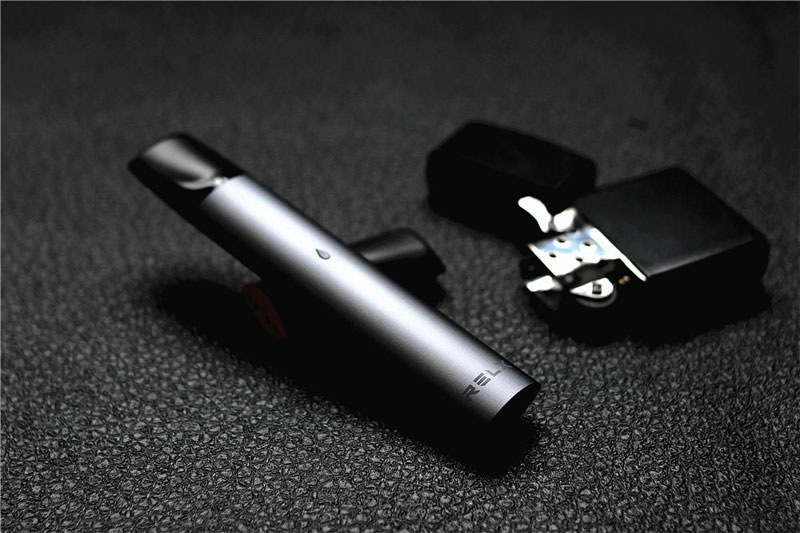
For some, e-cigarettes have helped reduce or quit smoking. However, success varies with individual usage and commitment.
What are the risks of using e-cigarettes?
Risks include potential nicotine addiction, exposure to harmful chemicals in e-liquids, and unknown long-term health effects.