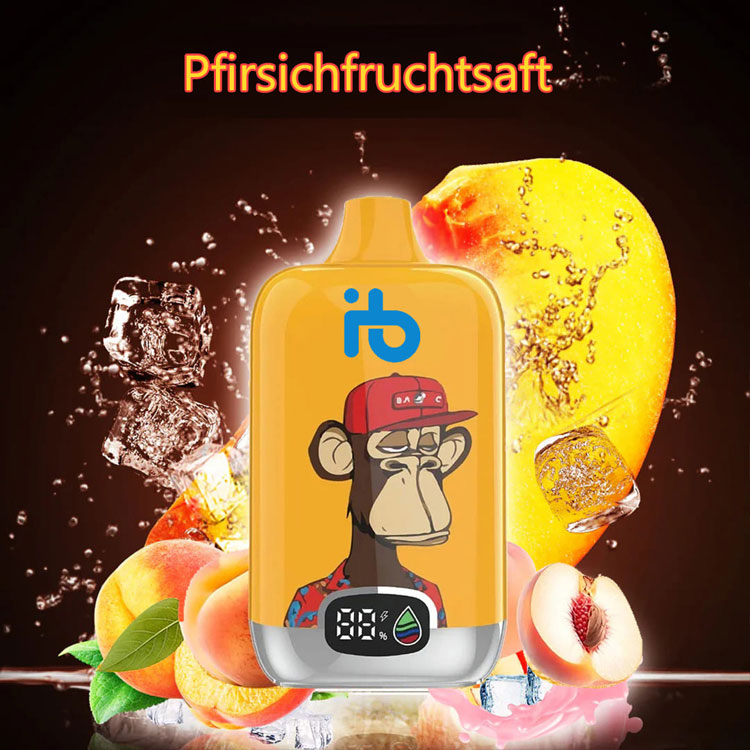
Electronic cigarettes, often marketed as a safer alternative to traditional tobacco products, have gained immense popularity over the past decade. However, recent investigations and scientific studies have raised concerns about the presence of carcinogenic substances, or cancer causing chemicals in e cigarettes. As public awareness grows, it’s crucial to understand the potential health risks associated with these devices.
The Appeal of E-Cigarettes
E-cigarettes are touted for having fewer chemicals than conventional cigarettes. They work by heating a liquid, often containing nicotine, flavorings, and other additives, to produce an aerosol that’s inhaled. This process bypasses the combustion typical of cigarette smoking, in theory reducing exposure to harmful substances. Despite these claims, the reality is more complex.

Carcinogenic Chemicals

Studies have identified several harmful chemicals in the aerosol produced by e-cigarettes. Notably, formaldehyde and acrolein are recognized as carcinogens and are found at levels that could pose health risks. Formaldehyde is used in building materials and as a preservative, but it can cause cancer when inhaled over time. Acrolein, a herbicide component, can damage lung tissue and potentially lead to cancer. Acetaldehyde, another carcinogen, is also present and is linked to the development of cancers of the airways, mouth, and throat. The extent and impact of these chemicals can vary based on the e-cigarette brand, the flavorings used, and the manner of usage.
Other Health Concerns
Besides the risk of cancer, e-cigarettes can lead to other health problems. Nicotine, while not a carcinogen, is highly addictive and can adversely affect cardiovascular health by increasing heart rate and blood pressure. Moreover, it can have detrimental effects on adolescent brain development. The issue of ‘popcorn lung’ has also been associated with exposure to diacetyl, a flavoring agent used in some e-liquids, known to cause bronchiolitis obliterans, a severe and irreversible lung disease.
Navigating the Lack of Regulation
The e-cigarette industry is highly dynamic and not as strictly regulated as traditional tobacco products. This lack of oversight allows manufacturers to experiment with different ingredient combinations, some of which may not be adequately tested for safety. The lack of standardization also means that consumers cannot always rely on the product labels to inform them of potential risks. As research progresses, some regulatory bodies are beginning to impose more stringent regulations, focusing on ingredient transparency and quality control standards.
Consumer Awareness and Safety
For those who choose to use e-cigarettes, being informed is the first line of defense. Understanding product labels and recognizing names of harmful substances can help consumers make better choices. Seeking out brands that comply with stricter safety standards may also reduce exposure to dangerous chemicals. Equally important is educating younger populations who are increasingly drawn to e-cigarettes through flavored options that appeal to youth tastes.
Conclusion
The hidden dangers of carcinogenic chemicals in e-cigarettes are a public health concern that warrants attention. While they might present a reduced-risk alternative to traditional smoking, they are far from harmless. As research continues, so should efforts to educate and protect consumers from potential health risks associated with electronic cigarettes.
FAQs
- What specific chemicals in e-cigarettes cause cancer?
The primary cancer-causing chemicals found in e-cigarettes are formaldehyde, acrolein, and acetaldehyde.
- Are all e-cigarettes equally harmful?
Not necessarily. The degree of harm can vary based on the device, the liquid used, and consumption patterns. Always opt for products that adhere to higher safety standards.
- Can e-cigarettes help in quitting smoking?
While some people use e-cigarettes as a smoking cessation aid, their efficacy is debated, and they carry their own risks. It’s advisable to seek FDA-approved methods for quitting smoking.