In recent years, the vaping industry has undergone significant changes, spurred by the Juul e-cigarette ban. This move has raised many questions and concerns among vapers and industry stakeholders alike. Understanding the implications of this ban is crucial for anyone involved in or affected by vaping. The decision to ban Juul products reflects broader regulatory trends aiming to curb nicotine consumption and protect public health, particularly among young people.
Background of the Ban
The ban on Juul e-cigarettes mainly stems from rising concerns about the impact of vaping on youth. Studies have shown a dramatic increase in teen vaping rates, prompting the U.S. Food and Drug Administration (FDA) to take action. The use of fruity and attractive flavors in Juul products has been particularly criticized for appealing to younger audiences.
Rationale Behind the Ban
Health experts advocate for the ban by stating that vaping companies, including Juul, have not sufficiently demonstrated the safety of their products for long-term use. Although vaping is often marketed as a safer alternative to smoking, it’s clear that more research is needed to confirm these claims fully. Furthermore, the intensity of nicotine delivered by Juul devices has also raised alarms, as it may lead to addiction among users.
Economic and Social Impacts

The Juul e-cigarette ban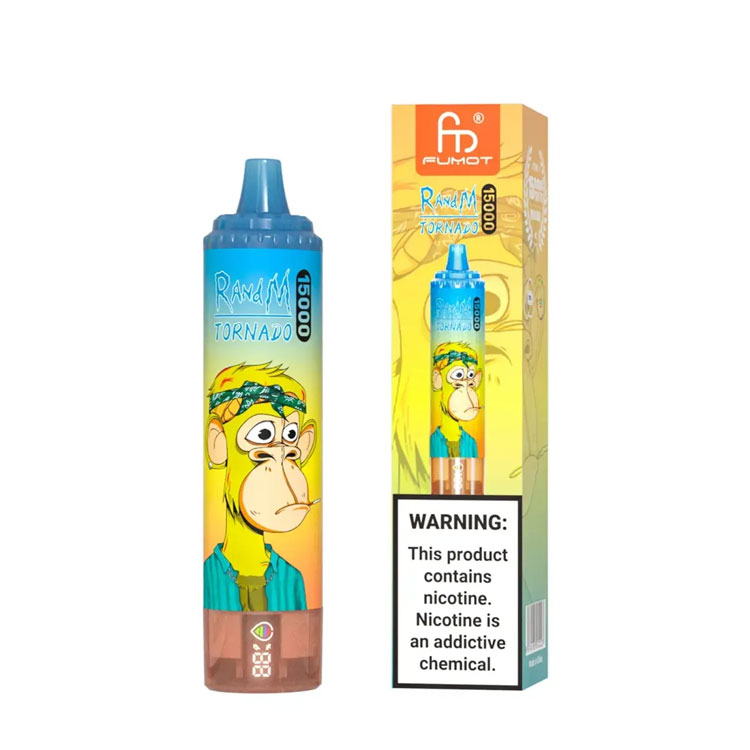 can have several economic implications. For retailers and small businesses relying heavily on vaping products, the ban potentially signals a significant loss in revenue. Consumers who favor Juul products may need to seek alternatives elsewhere, affecting their purchasing behaviors and potentially driving them to less regulated sources. Socially, the ban reflects a growing divide between advocates for vaping as a harm reduction tool and those calling for tighter restrictions due to health concerns.
Implications for Vapers
For individual vapers, the question of what to use instead of Juul products has become increasingly pertinent. The ban has encouraged some users to explore other brands or even reconsider their vaping habits altogether. Others might turn to traditional smoking in the absence of their preferred vaping method, an outcome that could contradict the original public health goals of reducing cigarette consumption.
Exploring Alternatives
In the aftermath of the Juul ban, several alternative products have emerged, offering varying experiences and nicotine levels. Brands like Vuse and Blu are positioning themselves as substitutes, each with their own set of flavors and device designs. For health-conscious consumers, nicotine-free vaping options or devices with reduced nicotine content might provide a viable path forward.
Future of Vaping Regulations
Looking ahead, the ban on Juul may signal more stringent regulations within the vaping industry. As health authorities continue to scrutinize vaping products, companies will need to adapt by prioritizing transparency and re-examining how they market their offerings. Innovators are likely to explore new technology and formulations that meet safety standards without sacrificing consumer appeal.
Frequently Asked Questions
Why was Juul specifically targeted with this ban?
Juul was targeted due to its high popularity among young users and the potent nicotine levels found in its products. Its widespread appeal and marketing tactics have drawn scrutiny from regulators aiming to reduce youth vaping rates.
Are there safer alternatives to Juul available?
Yes, many brands now offer products with lower nicotine concentrations or even nicotine-free options. It’s essential to research and prioritize products that have clear ingredient labeling and meet regulatory standards.
What should I do if I’m dependent on Juul products?
If you find yourself struggling without Juul, consider consulting a healthcare professional for advice on smoking cessation or alternative products that may better suit your needs.