Potential Health Effects
E-cigarettes lack the tar found in conventional cigarettes, but they aren’t without risk. According to research, the vapor contains substances like propylene glycol and glycerin, which, when heated, release potentially harmful chemicals. Furthermore, nicotine itself can pose health risks, including addiction, increased heart rate, and elevated blood pressure. While long-term data is still emerging, early findings suggest that e-cigarettes may not be as harmless as once purported.
Addictiveness and Youth Impact
Nicotine is notorious for its addictive properties, raising concerns about e-cigarettes as a gateway to traditional smoking, especially among young individuals. With flavors like candy and fruit, these devices appeal to younger demographics, increasing the chance of addiction and subsequent health issues. Schools and health officials are vigorously addressing these concerns by implementing educational programs that outline the potential repercussions of e-cigarette use.
Regulations and Safety Measures
Globally, governments are grappling with how to effectively regulate these products while balancing accessibility for adult smokers seeking alternatives. Some regions have introduced stringent age restrictions and marketing limitations. Users are encouraged to remain informed about their country’s regulations to make educated choices regarding e-cigarette use. Moreover, correct usage—like avoiding tampering with devices and ensuring the cleanliness of the components—can prevent accidents related to malfunctioning units.
Ingredients and Misconceptions
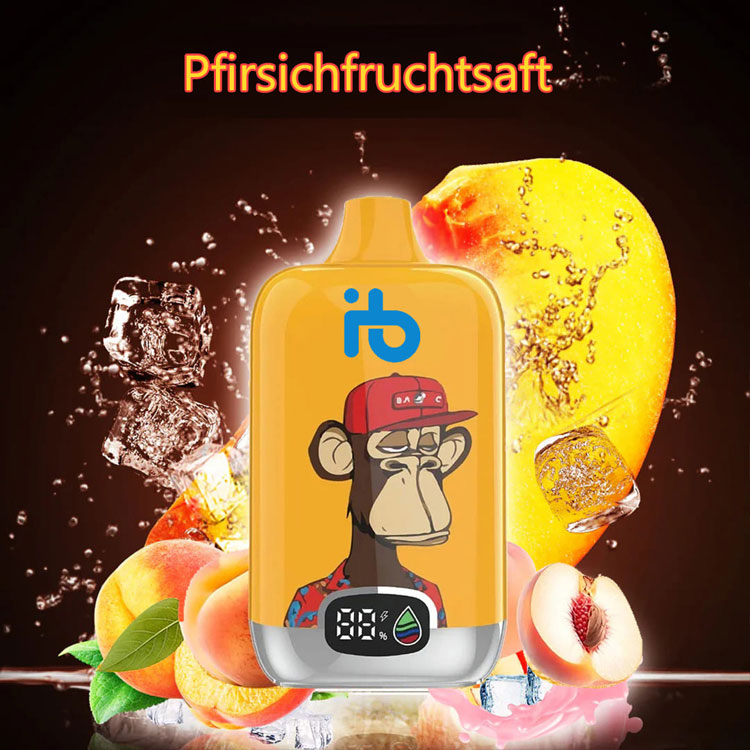
E-cigarette liquid typically includes nicotine, flavorings, and often a base of propylene glycol or vegetable glycerin. While these ingredients are considered generally safe when ingested, their effects when inhaled haven’t been fully explored. Moreover, misconceptions exist around these products; some believe e-cigarettes are completely safe due to their lack of tobacco, but this is misleading given the presence of other potentially harmful aerosol components.
Environmental Concerns
These vaping devices contribute to waste and environmental pollution. Discarded cartridges and lithium batteries from e-cigarettes present an ecological concern. Awareness about proper disposal processes is necessary to minimize environmental impact. Many communities are starting recycling initiatives specifically for e-cigarette waste.
FAQs
- Q: Is it okay to use e-cigarettes indoors?
A: While e-cigarettes don’t produce the smoke that traditional cigarettes do, many establishments have banned their use due to the presence of nicotine and potential irritation from chemicals. - Q: Can e-cigarettes help quit smoking?
A: Some studies suggest they may assist smokers in transitioning away from traditional cigarettes, yet it’s advisable to consult healthcare professionals for personalized guidance.
- Q: Are flavored e-cigarettes more dangerous?
A: Flavored cartridges can contain additional chemicals that pose risks. It’s crucial to research and choose products carefully, considering regulatory warnings.
In conclusion, while e-cigarettes are often marketed as safer alternatives to smoking, it is vital to remain cautious and informed. Continued research and dialogue can contribute to understanding their safety and influence on public health.