The relationship between e-cigarettes and traditional tobacco products has been a topic of extensive debate and inquiry. With the rise of vaping as a popular alternative to smoking, many individuals wonder if e-cigarettes fall into the same category as tobacco. To address this question, it’s crucial to explore the composition and use of both products. E-cigarettes, also known as electronic nicotine delivery systems (ENDS), utilize a liquid often referred to as e-juice or e-liquid. This liquid usually contains nicotine, flavoring, and various other ingredients that are vaporized and inhaled by the user. Meanwhile, traditional cigarettes burn tobacco leaves, releasing nicotine and numerous harmful chemicals. Thus, the primary factor connecting e-cigarettes to tobacco is the presence of nicotine.
The term “tobacco product” traditionally refers to items made with tobacco leaves, such as cigarettes, cigars, and chewing tobacco. E-cigarettes differentiate from these products by not containing actual tobacco leaves. However, because they typically deliver nicotine derived from tobacco, regulatory bodies like the FDA classify them under the umbrella of tobacco products. This classification has implications for regulation, health warnings, and age restrictions, emphasizing monitoring and controlling nicotine consumption.
Are E-cigarettes Safer Than Tobacco?
 Dry ice and vaping have often been marketed as safer alternatives to smoking tobacco, primarily because they do not involve combustion. Combustion releases tar and several carcinogens that are harmful when inhaled. E-cigarettes provide nicotine without burning tobacco, seemingly reducing exposure to these harmful substances. However, the safety of e-cigarettes is still under scrutiny. Studies have shown that vaping can introduce toxicants to the respiratory system, although generally at lower levels than traditional cigarettes.
Potential Health Risks
E-cigarettes are not without risks. The aerosol created by heating the e-liquid can contain harmful substances, including heavy metals and volatile organic compounds. Additionally, the long-term effects of inhaling these substances remain largely unknown. For individuals considering vaping as a cessation tool, understanding that it is not entirely risk-free is essential. The addiction to nicotine remains, and transitioning to e-cigarettes may not wholly remove the adverse health impacts associated with nicotine dependency.
Regulation and Control
Governments worldwide are working to regulate e-cigarette products similarly to traditional tobacco products. Age verification, advertising restrictions, and health warnings are becoming standard practice to prevent underage usage and ensure consumer awareness. Despite the regulatory similarities, recognizing that e-cigarettes operate differently from tobacco products is vital.
- Understanding the role nicotine plays in e-cigarettes is crucial to assessing their safety.
- While marketed as less harmful, comprehensive studies on their long-term impact are needed.
- Regulations aim to control nicotine levels, but awareness and education play pivotal roles in public health.
FAQs
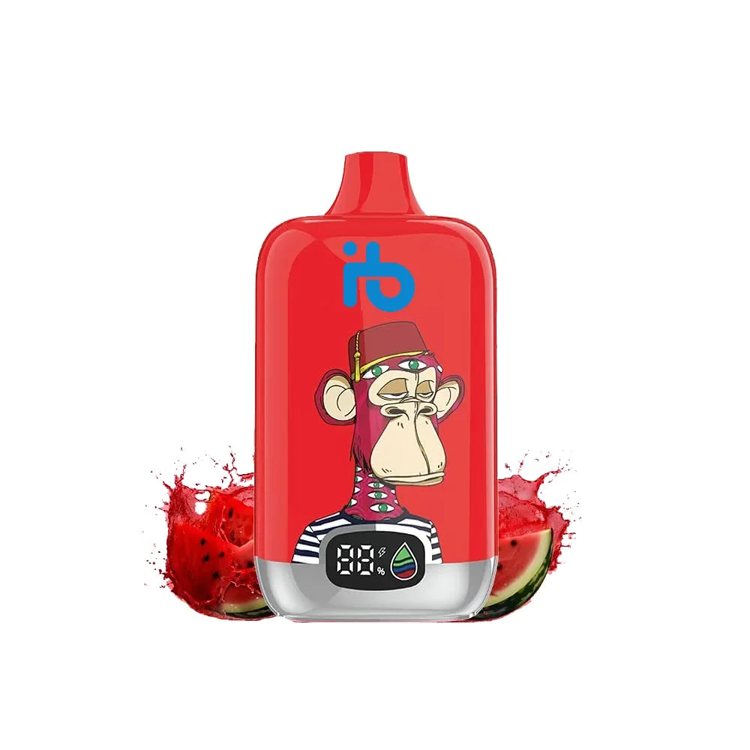
Q: Do e-cigarettes contain tobacco?
A: No, e-cigarettes do not contain tobacco leaves, but they deliver nicotine derived from tobacco, hence their classification as tobacco products.
Q: Are e-cigarettes safer than traditional cigarettes?
A: E-cigarettes eliminate many toxins present in cigarette smoke, but they still present health risks due to nicotine and other chemicals in the vapor.
Q: Can e-cigarettes help in quitting smoking?
A: Some people use e-cigarettes as a smoking cessation tool, but they are not entirely risk-free and should be approached with caution and under medical advice.