E-Zigaretten Shop and practical guidance on tpd compliance testing for e cigarettes
Why regulatory testing matters for an E-Zigaretten Shop
Retailers often assume manufacturers handle all regulatory obligations. In theory that’s true: producers must ensure products meet the Tobacco Products Directive (TPD) standards. In practice, many retailers, wholesalers, and private-label sellers need to verify product compliance before import, listing, or promotion. Implementing a checklist centered on tpd compliance testing for e cigarettes reduces liabilities, avoids recalls, and strengthens customer trust—critical factors for any E-Zigaretten Shop aiming for long-term visibility and growth in the EU market.
Core TPD rules every retailer should know
- Notification window: Products must be notified via the EU Common Entry Gate (CEG) with required documentation in advance of marketing.
- Nicotine strength cap: Nicotine-containing e-liquids are generally capped at 20 mg/mL.
- Volume limits: Fillable tanks/cartridges and e-liquid refill containers have maximum volume restrictions (commonly interpreted as 2 mL for cartridges/tanks and up to 10 mL for refill bottles, subject to national implementations).
- Labeling and warnings: Specific health warnings, ingredient lists, and safety information must appear on packaging and leaflets.
- Prohibited claims: Avoid medicinal claims or unverified health benefits in product descriptions and promotions.
What “tpd compliance testing for e cigarettes” typically covers
Testing is multi-layered. Laboratories and compliance services examine three primary areas: product safety (materials and device components), e-liquid composition (ingredient identity and purity), and emissions (aerosol analysis for toxicants and particle characteristics). For an E-Zigaretten Shop this means requesting and reviewing test reports that include:
- Nicotine concentration verification—confirming label accuracy.
- Impurity profiling—identifying residual solvents, heavy metals, or contaminants.
- Heating element and battery safety—ensuring materials do not release harmful substances under normal use.
- Aerosol emission testing—measuring levels of carbonyls, volatile organic compounds, and particulate matter.
- Microbiological and stability tests—verifying shelf life and microbial safety.
Choosing a reputable lab for tpd compliance testing for e cigarettes
Not all labs are equal. Look for ISO/IEC 17025 accreditation, experience with nicotine product matrices, and a track record of supporting EU notifications. An ideal testing partner will provide clear methods, chain-of-custody documentation, and interpretive support for regulatory submissions. For an E-Zigaretten Shop, it is practical to maintain copies of test certificates and to require batch-level verification when possible.
Practical steps for retailers before listing products
Follow this action plan to align your E-Zigaretten Shop with compliance expectations and to optimize product listings for SEO and consumer confidence:
- Request documentation—obtain Declaration of Compliance, lab reports, and CEG notification references from suppliers.
- Verify labels and packaging—ensure health warnings, ingredient lists, and volume limits match TPD directives and national specifics.
- Confirm lot tracking—ask suppliers for batch numbers and manufacturing dates to streamline recalls or queries.
- Maintain a compliance folder—store PDFs of lab reports, supplier declarations, and correspondence for at least the timeframes required by national authorities.
- Train staff—make sure your team understands what to look for when inspecting incoming products and how to remove suspect items from sale.
Practical SEO tip for E-Zigaretten Shop product pages
When optimizing product pages, include trusted compliance signals: a short compliance badge referencing lab testing, a link to a compliance document (PDF), and a concise summary of testing performed. Use the keywords E-Zigaretten Shop and tpd compliance testing for e cigarettes in prominent locations: product description headers, meta descriptions (outside this content), and alt text for images. However, avoid keyword stuffing—opt for natural phrasing such as “tested for TPD compliance” and “E-Zigaretten Shop quality assurance.” Ensure schema markup (Product, Offer, Review) is implemented by your site developer to improve search result presentation.
Common testing pitfalls and how an E-Zigaretten Shop can avoid them
Errors often stem from outdated reports, batch mismatch, or overreliance on supplier claims. To mitigate risks:
- Require recent test reports (within 12–24 months depending on product changes).
- Confirm the tested sample matches the SKU you’re importing.
- Conduct random in-house verifications or use third-party spot testing.
- Monitor regulatory updates—TPD interpretations change, and national authorities may introduce new technical guidance.
Labeling and packaging: small details that matter
TPD-compliant packaging is both a legal requirement and a trust signal. Retailers should confirm that packaging includes the correct nicotine content statement, batch/lot number, manufacturer or responsible person’s contact details, and required health warnings. Packaging must not be attractive to minors; design choices that reduce appeal to young audiences will also reduce regulatory scrutiny. For SEO, product images showing compliant labels can be optimized with alt text containing your target phrases to reinforce relevance for search engines.
How to document compliance in your E-Zigaretten Shop
Create a standard operating procedure (SOP) that outlines supplier onboarding, required documents, review timelines, and a retention policy. Keep the following items accessible:
- CEG notification references for each notified product.
- ISO/IEC 17025 lab certificates and specific test reports.
- Supplier Declarations of Conformity and ingredient lists.
- Sales records and customer complaint logs to demonstrate post-market surveillance.
Handling cross-border sales within the EU
EU-wide sales introduce varying national enforcement emphases. Some member states focus more on packaging, others on emission profiles. As an E-Zigaretten Shop selling cross-border, adopt a conservative approach: use globally compliant warnings, maintain documentation in English and local languages for top markets, and ensure that your shipping and customs paperwork aligns with product classifications. A central repository of compliance documents simplifies responses to authorities and import checks.
What to do if a product fails testing
Immediate steps include removing affected SKUs from sale, notifying suppliers, documenting the issue, and, if required, informing national competent authorities. For marketplaces, communicate transparently with customers and offer refunds or exchanges. Learn from failures by requiring corrective action plans from suppliers and by increasing the sample size for subsequent testing.
Cost considerations and budgeting for testing
Testing and compliance management present predictable costs. Emissions testing and comprehensive chemical analyses are among the more expensive services, while basic nicotine verification and label checks cost less. For E-Zigaretten Shop owners, grouping SKUs by formulation and negotiating bundled testing with accredited labs can lower costs per unit. Maintain a compliance reserve to handle re-tests or updates following product reformulation.
Integrating compliance into marketing without overstepping
Highlighting compliance improves conversion rates, but avoid making health claims or implying reduced risk unless supported by approved scientific evidence. Use language like “TPD-tested” or “Tested for TPD compliance” and link to non-promotional documentation. This protects your E-Zigaretten Shop from regulatory attention while giving informed customers confidence in your offerings.
Supplier due diligence checklist for retailers
Before onboarding a new supplier, confirm these items:
- Company registration and responsible person in the EU (or import arrangements accounted for).
- Recent batch-level test reports for 3rd-party analysis.
- Clear lab methods and accreditations stated in reports.
- Sample retention policy and traceability measures.
- Willingness to support notification data for the CEG if requested.
Retain records for enforcement queries and to facilitate rapid product withdrawals if necessary.
Future-proofing your E-Zigaretten Shop
The regulatory landscape changes: technical standards evolve, and national regulators may introduce new requirements. Retailers should monitor EU-level consultations, subscribe to trade association updates, and build long-term relationships with testing labs and legal advisors. Consider implementing periodic internal audits of product pages and physical inventory to ensure ongoing alignment with tpd compliance testing for e cigarettes expectations and to keep your E-Zigaretten Shop visible and trusted by consumers and search engines alike.
SEO and content strategy aligned with compliance
Publish authoritative resources on your site such as compliance FAQs, supplier transparency pages, and downloadable verification summaries. Use headings containing key phrases like E-Zigaretten Shop and tpd compliance testing for e cigarettes strategically: one in a primary H2, a couple in H3/H4 subsections, and naturally in paragraph text. Offer downloadable compliance checklists to generate backlinks and improve search relevance.
Remember: quality content that helps users and demonstrates industry expertise boosts search performance and reduces bounce rates. Combining technical accuracy with accessible language elevates both your brand and your ranking for searches related to E-Zigaretten Shop operations and TPD testing.
Quick reference: a minimal compliance checklist for retailers
- Obtain CEG notification numbers for each product.
- Store ISO/IEC 17025 lab reports and supplier declarations.
- Confirm nicotine strength and volume limits conform to TPD rules.
- Validate labeling, warnings, and child-resistant packaging.
- Maintain batch traceability and customer complaint records.
By following these core steps, an E-Zigaretten Shop can reduce legal risks and improve consumer confidence while keeping operational processes efficient.
Additional resources and next steps
Retailers should bookmark official EU documentation on tobacco product regulation, subscribe to national competent authority newsletters, and identify two or three accredited labs that specialize in electronic nicotine delivery systems. Regularly update product pages with verification notes and keep your compliance folder audit-ready.
Closing advice for E-Zigaretten Shop owners
Proactivity is essential: require documentation at purchase, verify authenticity, and budget for periodic testing. Use clear, factual language in marketing and make compliance proof accessible to customers. Doing so positions your E-Zigaretten Shop as a responsible, trusted retailer while ensuring readiness for regulatory scrutiny related to tpd compliance testing for e cigarettes.
Q1: What is the most important document an E-Zigaretten Shop should request from a supplier?
The CEG notification reference and recent ISO/IEC 17025-accredited lab reports validating nicotine concentration and emissions are essential documents. Keep PDFs and batch references for each SKU.
Q2: How often should e-liquid products be retested?
Retest whenever the formulation or manufacturing process changes, and consider periodic retesting every 12–24 months to account for supplier variability and to maintain market confidence.
Q3: Can retailers rely solely on supplier certificates for tpd compliance testing for e cigarettes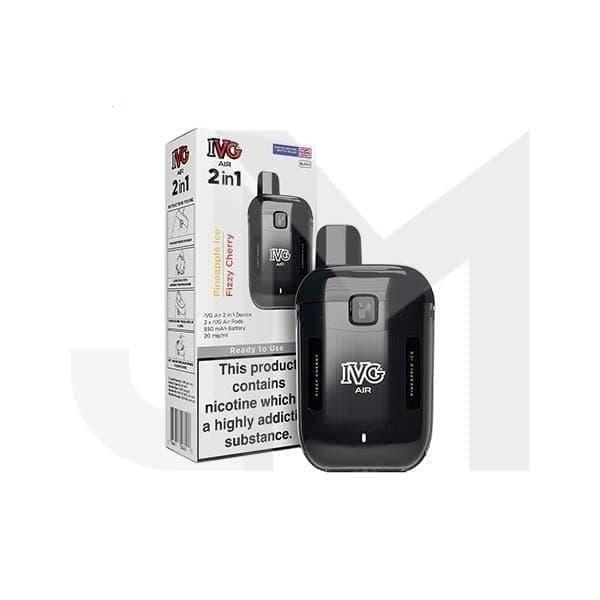 ?
?
Supplier certificates are useful, but independent verification or spot checks provide stronger assurance. Where possible, require lab reports from accredited third-party labs and verify that the tested sample matches the SKU you sell.