With the rise in popularity of e-cigarettes, there has been a growing concern about their impact on lung health. Among the potential risks of using e-cigarettes, the development of emphysema, a chronic lung condition, has raised significant attention. Emphysema is characterized by the gradual damage to the air sacs in the lungs, leading to breathing difficulties and reduced lung function. Commonly associated with traditional cigarette smoking, researchers are now investigating whether e-cigarettes could pose a similar risk.
Mechanics of Emphysema
Emphysema is a form of chronic obstructive pulmonary disease (COPD) that involves the destruction of the pulmonary alveoli, the tiny air sacs in the lungs where oxygen and carbon dioxide exchange occurs. Over time, this destruction causes the alveolar walls to break down, resulting in larger air spaces and reduced elasticity. This make it difficult to exhale effectively and leads to symptoms such as shortness of breath and chronic cough. Traditionally, emphysema is linked with smoking, but as e-cigarette use becomes more prevalent, understanding its potential contribution to emphysema is critical.
Ingredients in E-Cigarettes
The risk of developing emphysema from e-cigarettes may stem from the ingredients used in e-liquids. Most e-cigarettes contain nicotine, a known stimulant that can be addictive and harmful to lung health. Besides nicotine, e-liquids often comprise flavorings and propylene glycol or vegetable glycerin, which can convert into potentially harmful chemicals when heated. These substances may contribute to inflammation in the lungs, a key factor in developing emphysema.
Research Findings
Various studies have been conducted to assess the effects of e-cigarettes on the lungs. Some research indicates that e-cigarettes may not be as harmful as traditional cigarettes; however, there are limitations in this conclusion due to the short span of research. However, early findings suggest potential oxidative stress and inflammatory responses from the vape aerosols, similar mechanisms that are involved in the pathogenesis of emphysema from tobacco smoke.

Although e-cigarettes are marketed as safer alternatives to traditional smoking, it’s crucial to consider all health implications.
The key remains longitudinal research to offer a definitive view of e-cigarettes’ role in emphysema development. Given the popularity and widespread use of vaping products, individuals are advised to stay informed through continuous updates in scientific research.
Regulation and Prevention
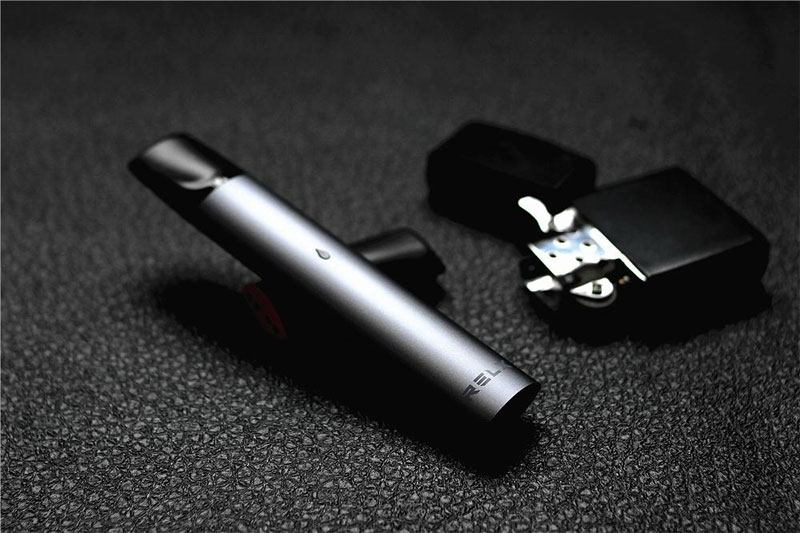
The regulatory landscape for e-cigarettes is constantly evolving to address health concerns. Restrictions on age and marketing along with the push for more comprehensive research are part of efforts to prevent health issues like emphysema among users. Health professionals suggest considering cessation programs and exploring nicotine-free alternatives to minimize lung disease risks.
Conclusion
While definitive conclusions about e-cigarettes and emphysema are still pending, the potential link encourages caution. As scientific investigations proceed, awareness and proactive health measures can help mitigate the risks associated with e-cigarette usage.
- FAQ: Does nicotine in e-cigarettes contribute to lung damage?
A: Nicotine itself is harmful and may promote lung inflammation, a precursor to emphysema. - FAQ: Are e-cigarettes less harmful than cigarettes?
A: Current research indicates they may be less harmful, but still pose significant health risks. - FAQ: How can e-cigarette users reduce emphysema risk?
A: Considering cessation programs and opting for non-nicotine products can be beneficial.