In recent years, the FDA has taken significant steps to regulate tobacco products, with a particular focus on menthol e-cigarettes. This growing scrutiny is part of a larger effort to combat youth vaping and its associated health risks. E-cigarettes, also known as electronic nicotine delivery systems, have evolved rapidly in both design and chemical composition. The inclusion of menthol, a substance known for its cooling sensation and taste masking properties, has raised specific concerns among regulators and public health experts.
Understanding the Role of the FDA
The FDA’s mandate to regulate tobacco extends to a wide range of products including e-cigarettes. Its regulatory efforts aim to ensure that e-cigarettes and similar products do not cater specifically to youth, as studies have shown alarming rates of vaping in younger demographics. With the introduction of novel flavors like menthol, there is heightened urgency to assess their allure and potential risks.
Menthol specifically is under scrutiny due to its ability to alleviate the harshness of inhaling tobacco. This makes it not only appealing but potentially habit-forming for inexperienced smokers. The FDA’s public health goal is clear: reducing tobacco-related harm by regulating or banning additives that increase the product’s addiction potential.

The Impact of Menthol on Public Health
Research suggests that menthol may increase the addictive potential of nicotine by enhancing its reinforcing effects. Consequently, when menthol is combined with the already addictive properties of nicotine, it can heighten the dependency risk among users, particularly adolescents and young adults who are more susceptible to addiction.
Additionally, there is evidence that menthol smokers have more difficulty quitting smoking. This appears to be linked to both the physiological effects of menthol and the psychological comfort it offers. The cooling sensation can soothe the throat, making the act of smoking more pleasant and masking any immediate negative physical sensations caused by inhaling smoke or vapor.
The FDA’s Regulatory Actions
As part of its regulatory actions, the FDA has proposed banning menthol in cigarettes and cigars. This action, while not yet finalized, has garnered extensive debate among industry stakeholders, health professionals, and consumer advocacy groups. Some argue that this step is crucial for discouraging smoking initiation, particularly among minors, while others are concerned about the black market’s potential growth.
The FDA’s exploration into menthol e-cigarettes is indicative of a larger trend: ensuring that products on the market do not disproportionately harm vulnerable populations, particularly youth and marginalized communities.
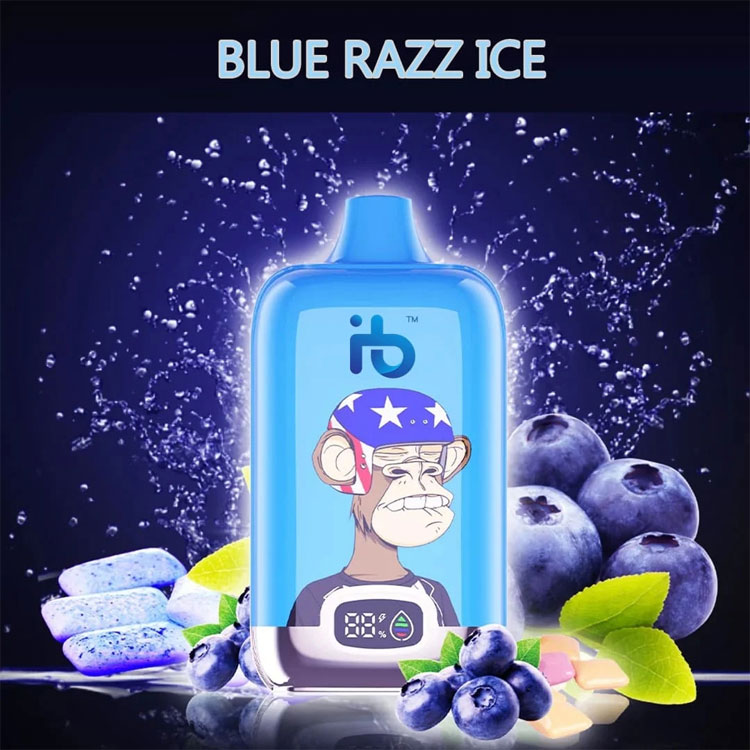
The Future of Menthol E-Cigarettes
As the landscape of tobacco products continues to shift, it is evident that the future of menthol e-cigarettes hangs in the balance. The FDA’s decisions will likely shape the industry, influencing manufacturing practices and marketing strategies. Companies producing menthol e-cigarettes must stay informed on regulatory changes and potentially reformulate their products to comply with new regulations.
Furthermore, consumers should be aware of these changes, as they could impact availability and product composition. Meanwhile, public health campaigns will play an essential role in educating consumers—especially younger demographics—on the risks associated with flavored nicotine products.
Potential Outcomes and Challenges
The impact of an FDA ban on menthol in e-cigarettes could be multifaceted. While it may lead to decreased usage among young and new smokers, it could also drive some to seek alternatives, covert markets, or switch to conventional cigarettes. Both the FDA and public health groups must prepare for these potential consequences, weighing the benefits and drawbacks of any substantial policy change.

As stakeholders await the FDA’s final decision, dialogue will continue to unfold across multiple platforms. The process will involve input from healthcare professionals, scientists, the tobacco industry, and consumers. This collective conversation is crucial for achieving the broader goal of reducing smoking-related health consequences.
FAQs
Why is the FDA targeting menthol specifically?
Menthol is under scrutiny because its cooling properties can make smoking less harsh, potentially encouraging more young people to start and continue smoking.
Could a menthol ban in e-cigarettes lead to unintended consequences?
Yes, such a ban could potentially lead to the growth of a black market for menthol products or prompt users to switch to more harmful tobacco products.