Utah has recently enacted a stringent prohibition on flavored vapes and e-cigarette juices, a move that signifies the state’s commitment to public health and the prevention of underage vaping. This legislation has been a topic of intense debate, invoking responses from various sectors, including public health advocates, vape shop owners, and users. The decision aligns with a growing national trend to curb youth access to nicotine products, invigorated by concerns over health implications and rising addiction rates among teenagers.
Why Utah’s Ban on Flavored Vapes?
The primary aim of Utah’s ban is to reduce the appeal of vaping products to minors. Flavored e-liquids, with their sweet and fruity profiles, have been identified as a significant factor in attracting younger demographics. According to the Utah Department of Health, flavors like mango, cotton candy, and mint are particularly popular among youth, often serving as a gateway to consistent nicotine use. By removing these options from the market, Utah seeks to discourage initial experimentation among teens, ultimately lowering the levels of youth addiction in the state.
The Impact on Local Businesses
The ban inevitably impacts businesses specializing in vaping products. Vape shop owners face the challenge of adapting to legislation that significantly narrows their product lines. Some businesses argue that this restriction may drive adult consumers to seek flavored options through illicit channels or online platforms where regulation is more challenging to enforce. The state’s commitment to enforcement, however, includes measures to monitor and curb illegal sales effectively.
Public Health Benefits
While some argue against the prohibition from an economic perspective, public health officials emphasize the long-term benefits. By reducing the availability of flavored nicotine products, Utah aims to cut down on the instances of nicotine addiction and associated health issues such as lung disease and cardiovascular problems. This proactive stance is expected to contribute positively to both individual and community health outcomes over time.
The American Heart Association has supported similar measures nationwide, citing research indicating that flavored tobacco products are often the first point of contact for young users, which predisposes them to smoking traditional cigarettes later in life.
The Role of Education and Awareness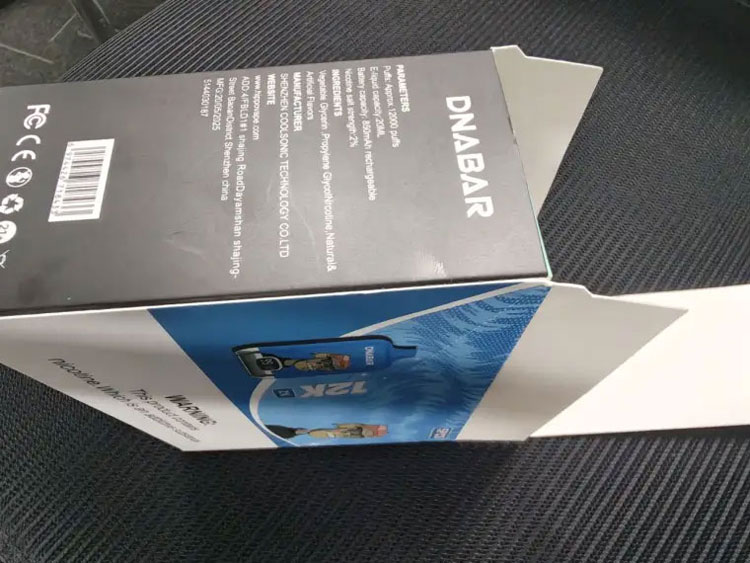
Alongside the ban, Utah is enhancing educational programs aimed at informing young people and their parents about the risks associated with vaping. These initiatives are crucial in building awareness and ensuring the legislative measures are backed by a strong foundation of knowledge and public support. By promoting facts about the dangers of nicotine and dissuading glamorization through flavors, the state hopes to reshape social perceptions over time.
The Backlash and the Future
Despite the potential benefits, there is notable backlash from certain consumer groups and libertarian circles who view the prohibition as a stance that infringes on personal freedom and choice. These groups advocate for adult rights to access flavors, suggesting that regulated, age-restricted access could be a more balanced approach. The conversation around flavored vape bans continues to evoke passionate opinions across the nation, and Utah’s stance is seen as a test case for potential federal action in the future.
What Lies Ahead?
The success of Utah’s prohibition will likely be judged over several years, contingent upon its impact on youth vaping rates and public health metrics. Researchers and policymakers will be vigilantly observing these dynamics, hoping to derive insights applicable on a broader legislative stage.
FAQs
Q: How does Utah’s ban on flavored vapes affect adult consumers?
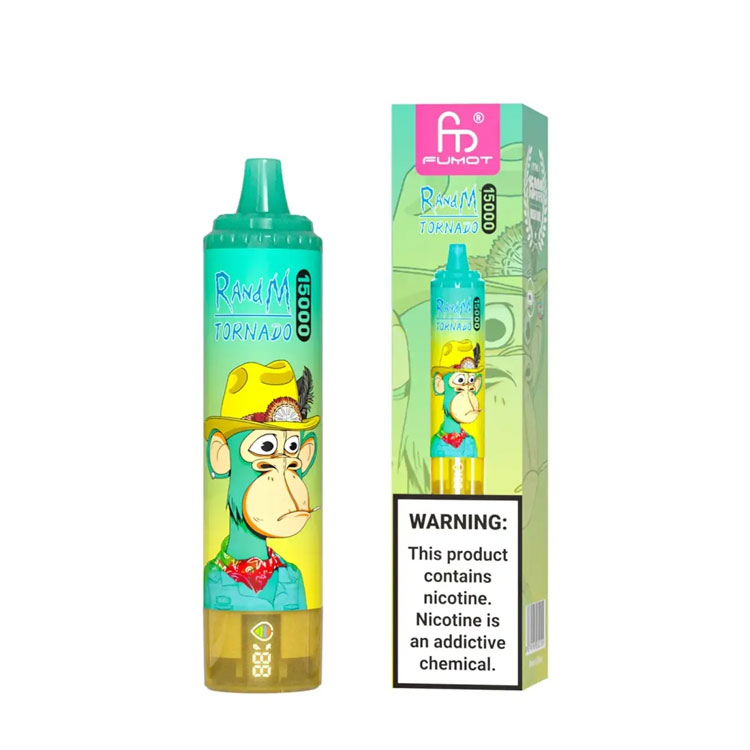
A: Though the primary target is underage vaping, adult users are also affected as flavored options are removed from local markets. They may have to find alternatives or adapt to available flavors that comply with the new regulations.
Q: Are there exemptions for any flavored products?
A: Currently, the ban includes a comprehensive range of flavored e-liquids, with limited exemptions possibly extended to products that have received specific regulatory approval. However, these cases remain under scrutiny.
Q: What alternatives do businesses have to stay afloat?
A: Businesses may shift focus to non-flavored products or diversify their offerings, such as disposable e-cigarettes or nicotine cessation tools, which are not subject to the same restrictions. They may also engage in lobbying for regulatory revisions that balance consumer choice with public health goals.