Understanding Elektronik Sigara: A Safety Guide

What is Elektronik Sigara?
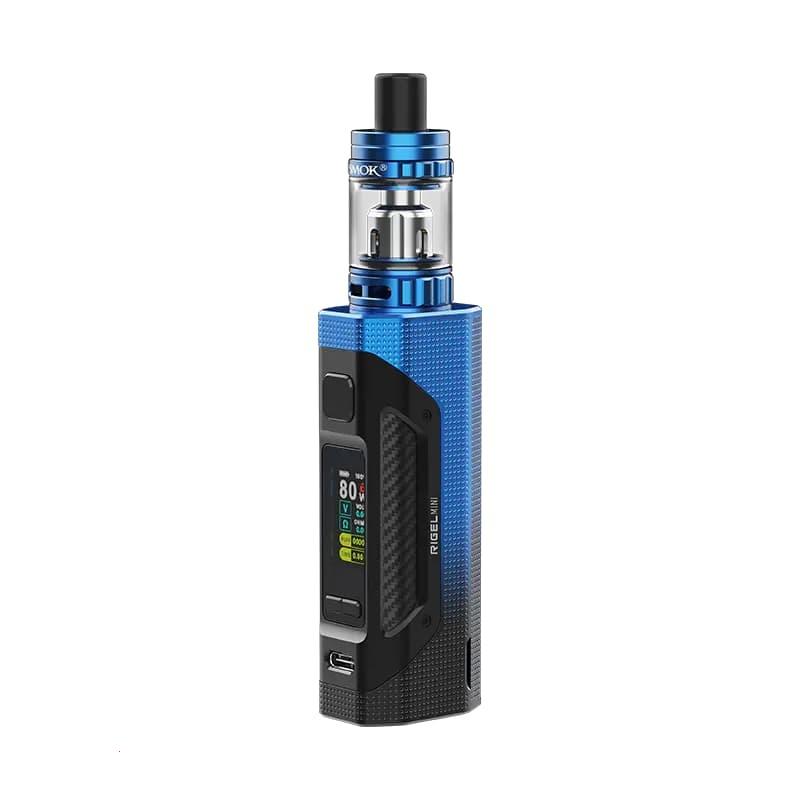
E-cigarettes, known in some regions as Elektronik sigara, are battery-operated devices designed to simulate smoking by vaporizing a liquid (commonly called vape juice or e-liquid). These devices are often marketed as safer than combustible tobacco products, primarily because they do not produce tar or many of the carcinogens found in burnt tobacco. However, while the mechanics of Elektronik sigara offer some reduction in certain risks, the presence of various e-cigarette chemicals introduces unique potential hazards.
The Basic Components of Elektronik Sigara
- Battery unit (often rechargeable)
- Atomizer or coil (heating element)
- E-liquid chamber or cartridge
- Mouthpiece
What Are E-Cigarette Chemicals?

E-liquids used in Elektronik sigara generally consist of four main ingredients: propylene glycol, vegetable glycerin, flavorings, and nicotine. Secondary and unintended byproducts may develop during the vaporization process, with some chemicals posing health risks even at low concentrations.
Typical E-Cigarette Chemicals in Vape Liquids
| Chemical Name | Purpose | Possible Risks |
|---|---|---|
| Propylene Glycol | Creates throat hit, carries flavor | Possible irritation to respiratory tract |
| Vegetable Glycerin | Thickens vapor | Rare allergic reactions, could cause residue build-up in lungs |
| Nicotine | Main addictive component | Addiction, increased heart rate, blood pressure concerns |
| Diacetyl | Flavor enhancement (butter-like taste) | Linked to “popcorn lung” (bronchiolitis obliterans) |
| Formaldehyde | Forms at high temperatures | Carcinogenic in nature |
Risks Associated with Elektronik Sigara
Elektronik sigara and the inhalation of e-cigarette chemicals are not without health risks, despite contrary popular belief. Below we examine several key concerns:
Addiction Hazard
Most Elektronik sigara liquids contain nicotine, a highly addictive stimulant. While vaping may present an alternative to cigarettes, users can still quickly develop a dependence on nicotine, sometimes even exceeding levels seen with classic smoking.
Chemical Exposure and Respiratory Effects
Some e-cigarette chemicals such as formaldehyde and acetaldehyde are produced when e-liquids are heated, especially at high temperatures. These compounds are known irritants and potential carcinogens. Additionally, long-term exposure to propylene glycol and vegetable glycerin vapors can contribute to respiratory irritation, particularly among sensitive populations like asthmatics and children.
Flavoring Agents and Inhalation Safety
Thousands of flavors are available for Elektronik sigara users; however, many flavoring agents were originally intended for food use, not for inhalation. For instance, diacetyl, often used for buttery flavors, has been conclusively linked to lung scarring among workers exposed to it chronically—raising concerns when present in e-cigarette vapors.
Device Malfunctions and Battery Risks
The electrical components in many Elektronik sigara products, including lithium-ion batteries, occasionally malfunction, leading to overheating or even explosion. Safe charging practices and using only recommended chargers help mitigate such risks.
Safe Use Recommendations for Elektronik Sigara
- Utilize reputable brands with transparent e-cigarette chemicals labeling.
- Monitor battery health and avoid using damaged or counterfeit batteries.
- Store e-liquids in childproof containers and away from pets.
- Never modify your Elektronik sigara or use unregulated refill fluids.
- Inspect for product recalls or warnings from official health authorities.
Understanding Regulations for E-Cigarettes
Laws and regulations surrounding Elektronik sigara and e-cigarette chemicals vary significantly worldwide, from outright bans to minimal oversight. Awareness of your region’s guidelines, including minimum purchase age, public usage restrictions, and product standards, is crucial for user safety.
Long-Term Health Implications
Elektronik sigara use is relatively new, and complete data on the chronic health impacts of inhaled e-cigarette chemicals is still developing. Early studies suggest a risk for cardiac complications, lung irritation, and slower adolescent brain development with sustained nicotine exposure. More research is needed to determine the full spectrum of effects.
Comparative Analysis: Elektronik Sigara vs. Conventional Cigarettes
- Traditional cigarettes create over 7,000 chemicals upon burning, many carcinogenic.
- Elektronik sigara expose users to fewer cancer-causing chemicals but are not risk-free due to specific e-cigarette chemicals and inhaled particulates.
- The absence of combustion byproducts may reduce certain risks, but flavorings and high nicotine concentrations introduce different concerns.
Youth and Non-Smokers: Special Advisory
The use of Elektronik sigara among adolescents and non-smokers is particularly problematic. Nicotine exposure in developing brains can impair attention, memory, and increase the potential for future addiction to other substances. Regulatory bodies urge strict controls to prevent underage access.
Environmental and Secondary Risks
Improper disposal of Elektronik sigara cartridges and e-liquids poses environmental issues. Battery waste and leaking e-cigarette chemicals can contribute to groundwater contamination and endanger wildlife. Vapor exhaled indoors may also contain residual chemicals, impacting indoor air quality—though not to the same extent as passive cigarette smoke.
Key Takeaways on Elektronik Sigara Risks and Chemical Exposure
- While potentially less harmful than traditional smoking, Elektronik sigara are associated with unique health risks stemming from e-cigarette chemicals.
- Inhalation of many chemical flavorings remains untested or proven unsafe over long durations.
- Nicotine addiction is a significant concern regardless of delivery method.
- Cautious usage, product transparency, and continuing scientific research are essential for well-informed consumer decisions.
How to Stay Updated and Informed About E-Cigarette Chemicals
Health authorities frequently update guidelines as new research emerges on the long-term safety of Elektronik sigara and e-cigarette chemicals. Users should monitor reputable sources such as the World Health Organization (WHO), Centers for Disease Control and Prevention (CDC), and national regulatory agencies for the latest safety advisories.
Resources for Further Reading
Conclusion: Balancing Harm Reduction and Caution
While Elektronik sigara provide some level of harm reduction for existing cigarette smokers, the health effects of sustained exposure to e-cigarette chemicals remain an active field of study. Informed consumers must weigh the potential benefits against the documented and emerging risks, especially when considering long-term impacts on health and wellness. Staying educated, monitoring new research, and practicing safe handling can ensure that users effectively mitigate risks without ignoring the very real hazards that e-cigarette chemicals present.
FAQ: Elektronik Sigara and E-Cigarette Chemical Safety
- Are e-cigarettes completely safe to use?
- No, while Elektronik sigara eliminates some of the dangers associated with tobacco combustion, the inhalation of e-cigarette chemicals introduces its own risks. Long-term safety is still under investigation.
- What are the most dangerous chemicals found in e-cigarettes?
- Chemicals like diacetyl, formaldehyde, and heavy metals (from device components) can be particularly harmful if inhaled regularly over time.
- Is vape liquid without nicotine safe?
- Even nicotine-free Elektronik sigara liquids contain various chemical flavorings and bases. Some may still pose risks, especially if the substances are not intended for inhalation.