Understanding the rising concern: why vape culture matters
In recent years public health conversations have shifted sharply to address the dangers of e-cigarettes and the broad societal impact of vaping. This in-depth guide explores how modern vape products, aggressive product promotion, and evolving user behaviors are contributing to a mounting public health challenge. The goal here is to provide clear, research-informed perspectives and practical recommendations for clinicians, policymakers, parents, and users concerned about the long-term harms and ongoing epidemic of nicotine dependence driven by electronic nicotine delivery systems.
Executive summary of core issues
The expansion of flavored cartridges, sleek devices, and targeted online marketing has increased the visibility and accessibility of vape products. While some adults use e-cigarettes to reduce or quit combustible cigarette use, population-level data reveal rising initiation among youth, cases of acute lung injury, and dependence patterns inconsistent with reduced-harm claims. Emphasizing the dangers of e-cigarettes helps balance conversations that otherwise risk normalizing nicotine consumption.
What are e-cigarettes and how do they work?
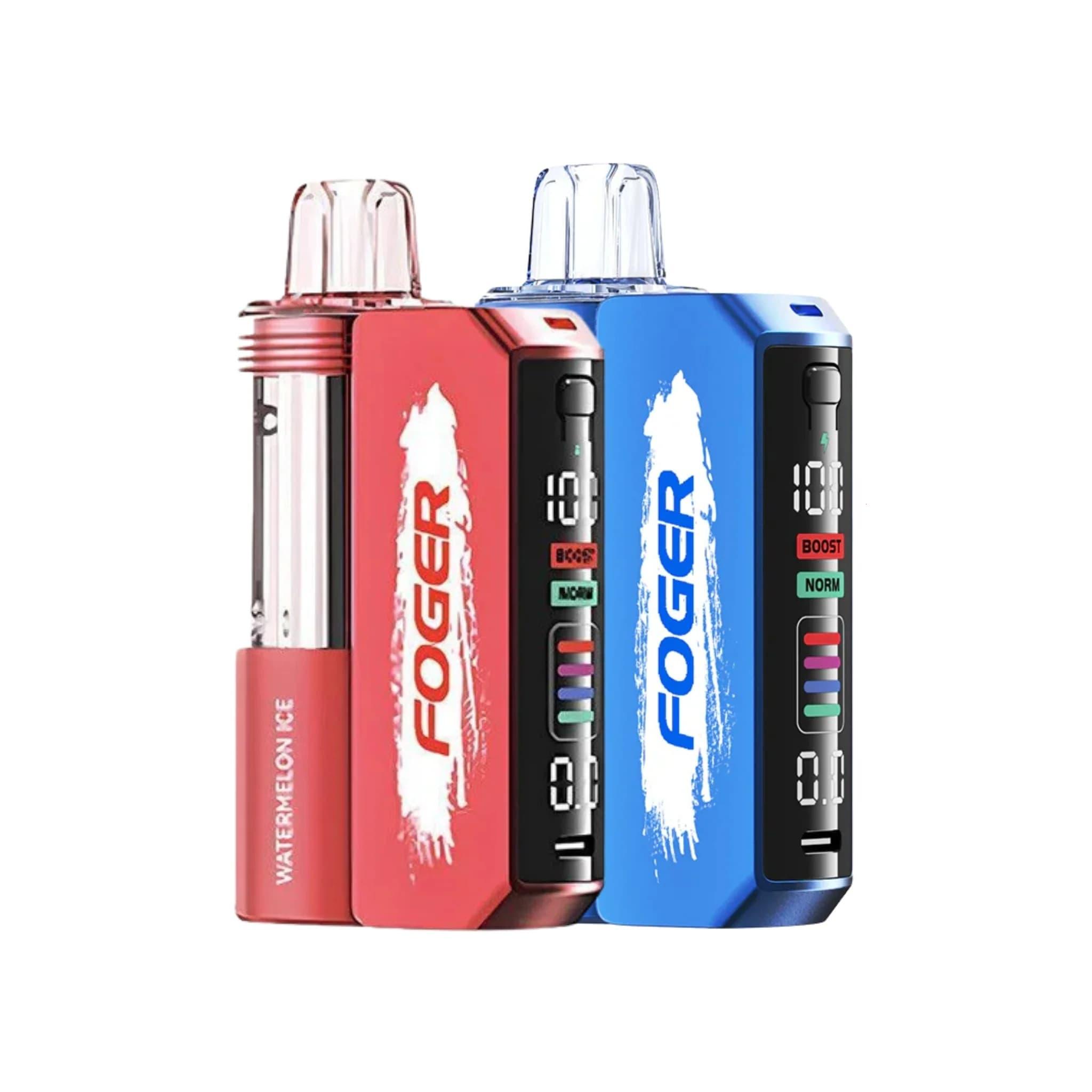
E-cigarettes heat a liquid (often containing propylene glycol, vegetable glycerin, nicotine, flavorings, and other additives) to produce an aerosol inhaled by the user. Devices range from simple “cigalikes” to powerful refillable mods and closed-pod systems. The versatility and concealability of many modern vape devices contribute to their appeal, especially among younger demographics.
Key components that matter for harm
- Nicotine concentration and delivery efficiency — higher concentrations lead to stronger dependence formation.
- Flavoring chemicals — though often labeled as food-safe for ingestion, inhalation toxicity is poorly characterized.
- Device power and temperature — higher heat can create toxic thermal decomposition products.
- Contaminants and adulterants — illicit cartridges may contain vitamin E acetate and other harmful additives linked to lung injury.
Evidence on health impacts and long-term risks
Short-term effects documented in clinical studies and case reports include increased heart rate and blood pressure, airway irritation, and acute lung injuries such as EVALI. Emerging toxicological data point to oxidative stress, endothelial dysfunction, and impaired immune responses within the respiratory tract. While long-term cohort studies are ongoing, the biological plausibility of chronic disease—cardiovascular disease, chronic obstructive pulmonary disease (COPD), and potential carcinogenesis—remains a serious concern given the inhalation of numerous chemical compounds. Framing these findings around the public health implications is essential: even if individual risk per user is lower than heavy smokers for certain endpoints, population-level harms can be substantial if product uptake increases.
Youth epidemic: how marketing and product design fuel uptake
From fruity flavors to targeted social media campaigns, marketing strategies have been optimized to attract newcomers. The rise of influencers, viral challenges, and point-of-sale placement near schools has normalized vape experimentation among adolescents. Studies show that early nicotine exposure affects brain development and increases the probability of transition to other nicotine products, amplifying the public health consequences of youth initiation.
Marketing tactics linked to increased initiation
- Flavored liquids described with playful names to mask nicotine content.
- Sleek, tech-forward device aesthetics that mimic consumer electronics.
- Use of social media micro-influencers to create organic-feeling endorsements.
- Limited-age-verification enforcement and cross-border sales permitting youth access.
Specific chemical and physiological harms
The dangers of e-cigarettes extend beyond nicotine. Identified hazards include:

- Volatile organic compounds (VOCs) and carbonyls produced at high temperatures.
- Particulate matter that can penetrate deep into the lungs.
- Flavoring agents like diacetyl associated with bronchiolitis obliterans in occupational exposures.
- Heavy metals leached from heating elements such as nickel, chromium, and lead.
These exposures can prompt inflammatory cascades, impair mucociliary clearance, and reduce resistance to viral and bacterial infections. For people with pre-existing respiratory disease, even episodic vaping can provoke exacerbations.
Population-level harms and why prevalence matters
When evaluating public health outcomes, prevalence and patterns of use are critical. A product that carries some reduction in harm for a small, motivated subgroup (e.g., heavy smokers switching completely to e-cigarettes) may still generate net harm if it attracts many nicotine-naïve individuals, especially children and young adults. Increased prevalence of vape use can reverse decades of progress in reducing nicotine addiction and tobacco-related disease.
Regulatory and policy considerations
Policymakers face a complex balance: making potentially less harmful options available for adult smokers seeking to quit while simultaneously reducing access, appeal, and exposure to adolescents. Effective policies include flavor restrictions, strong age-verification for online and retail sales, restrictions on advertising that targets youth, and clear labeling of nicotine content. Surveillance systems, taxation, and local restrictions on point-of-sale marketing can further limit youth exposure.
Harm-minimization versus prevention: a nuanced approach
 vape marketing are fueling a public health crisis” />
Harm-minimization strategies should be tightly targeted. Regulatory pathways that permit adult access with strict youth protection measures are more consistent with minimizing net population harm. However, in contexts where youth uptake is already high, stricter controls including product removal from youth-oriented retail environments may be required.
Clinical guidance and cessation strategies
Health professionals should screen patients for any nicotine use including vape products, provide evidence-based counseling, and offer proven cessation aids such as nicotine-replacement therapy (NRT), varenicline, or behavioral support where indicated. For adult smokers considering e-cigarettes as a cessation tool, clinicians should discuss the uncertainty around long-term risks and prioritize FDA-approved cessation therapies. For adolescents and young adults, the emphasis is clear: encourage complete abstinence, provide behavioral interventions, and consider pharmacotherapy for those with established dependence under clinical guidance.
Community and educational responses
Public education campaigns that accurately convey the dangers of e-cigarettes without resorting to hyperbole can reduce initiation and correct misconceptions. School-based programs, parent outreach, and partnerships with pediatric healthcare providers form a multipronged approach. Additionally, communities can adopt smoke-free and vape-free policies in public spaces to reduce visible normalization of nicotine use.
Best practices for messaging
- Use factual, age-appropriate language that emphasizes addiction risks and chemical harms.
- Counter industry narratives that frame vaping as entirely benign or a lifestyle choice.
- Leverage social norms interventions that reduce peer-driven uptake.
Industry behavior and accountability
Manufacturers and distributors of vape products have used rapid innovation and marketing agility to expand market share. Public health responses must hold industry accountable through transparency requirements, testing and reporting of product constituents, and restrictions on marketing tactics that appeal to children. Litigation and regulatory enforcement can also deter misleading claims about safety and cessation efficacy.
Emerging research priorities
To better inform policy and clinical practice, researchers should prioritize long-term cohort studies of health outcomes in exclusive e-cigarette users, dual users, and those who successfully quit all nicotine. Mechanistic studies of inhalation toxicity, real-world surveillance of product constituents (especially in illicit markets), and evaluations of marketing influence on youth initiation are essential. Investment in cessation research tailored to e-cigarette dependence can improve treatment effectiveness for this evolving form of addiction.
Practical recommendations
- Parents: maintain open nonjudgmental conversations about why vape products are risky and monitor device signs such as cartridges, unfamiliar chargers, or odors.
- Clinicians: incorporate routine screening for e-cigarette use and offer evidence-based cessation support.
- Policymakers: adopt targeted restrictions to limit youth access and ban youth-oriented flavors and advertising practices.
- Employers and schools: implement clear vape-free policies and provide cessation resources for staff and students.
Implementing change at scale
Effective public health action requires coordinated efforts across healthcare, education, regulatory, and community sectors. Monitoring systems and rapid response to emerging product trends (such as new flavor formulations or delivery mechanisms) are key to preventing additional waves of initiation.
Balancing nuance: adult smokers, harm reduction, and youth protection
Public health strategies must remain nuanced: acknowledging that some adults may benefit from switching to less harmful nicotine delivery while simultaneously prioritizing aggressive prevention for youth. Any policy or clinical messaging should avoid inadvertently glamorizing vape use or creating confusion about risks vs. benefits.
Conclusion
The landscape of nicotine delivery has shifted rapidly, and the dangers of e-cigarettes are a complex mix of chemical, biological, behavioral, and societal harms. Reductions in cigarette smoking do not erase the potential for e-cigarettes to create a new generation of nicotine-dependent individuals if left unchecked. Coordinated evidence-based policies, clear clinical guidance, targeted prevention efforts for youth, and responsible regulation of industry practices are essential to limit the public health toll of vaping.
Call to action
Public health leaders, clinicians, educators, and parents must act now to curb the youth-oriented strategies that enable widespread initiation and to support research and regulation aimed at reducing the overall burden of nicotine addiction. Accurate information, community-level interventions, and strong policy measures are the foundation of an effective response to the rising tide of vape use and the documented dangers of e-cigarettes.
FAQ
Q: Are e-cigarettes safer than regular cigarettes?
A: While some evidence suggests e-cigarettes may reduce exposure to certain toxicants compared with combustible cigarettes, they are not without risks. The dangers of e-cigarettes include nicotine addiction, respiratory effects, and exposure to unknown inhalation hazards. The potential long-term harms are still being studied.

Q: Can vaping help someone quit smoking?
A: Some adults report quitting cigarettes by switching to e-cigarettes, but clinical evidence remains mixed and long-term success is variable. FDA-approved cessation treatments and behavioral counseling remain first-line therapies recommended by many health organizations.
Q: How can parents tell if their teen is vaping?
A: Signs include unexplained device parts, unfamiliar flavors, lingering sweet or fruity smells, and changes in behavior such as increased secrecy. Open dialogue and education are more effective than punishment alone.