Smoking cessation is a journey fraught with challenges, and choosing the right method can significantly impact an individual’s success rate. Two popular aids in this battle are e cigarettes and nicotine patches. Both claim to aid in quitting smoking, but how do they compare? Let’s delve into the benefits and unique aspects of each method to help you make an informed decision.
Understanding E Cigarettes
E-cigarettes, also known as electronic cigarettes, have been a revolutionary product in the smoking industry. Designed to imitate the experience of smoking conventional cigarettes, e-cigarettes vaporize a liquid that often contains nicotine. Users inhale this vapor, receiving a nicotine hit that fulfills cravings without the tar and toxins found in traditional cigarettes. A fundamental advantage of e-cigarettes is their ability to allow users to gradually reduce nicotine levels, customizing the nicotine strength of the e-liquid over time. This customization can provide smokers with a sense of control over their quitting process, making it tailored to their individual needs.
The Social Aspect of E Cigarettes
E-cigarettes may also play a role in the social aspects of smoking. For many smokers, the ritual of smoking and the accompanying social interactions are integral parts of their habit. E-cigarettes can mimic these aspects, potentially easing the transition away from traditional cigarettes. The variety of flavors available, ranging from classic tobacco to exotic fruit blends, can also enhance the user experience, making e-cigarettes an appealing alternative.
Understanding Nicotine Patches
Nicotine patches, on the other hand, are a form of nicotine replacement therapy (NRT) that delivers a steady, controlled amount of nicotine through the skin. This method aims to reduce withdrawal symptoms without the behavioral aspects of smoking. Patches are generally available in varying strengths, allowing users to decrease the dosage systematically as they become less dependent on nicotine. One of the most significant benefits of nicotine patches is their simplicity and ease of use. Once applied, they maintain a constant level of nicotine in the bloodstream, which can significantly alleviate cravings.
Discretion and Convenience
Unlike e-cigarettes, nicotine patches do not require repetitive action or attention throughout the day. This can be a tremendous advantage for individuals with busy lifestyles who prefer a discreet method of managing nicotine withdrawal. Additionally, the use of patches does not involve vapor or smoke, eliminating concerns about exposing others to secondhand smoke.
Comparison of E Cigarettes and Nicotine Patches

While both methods have their merits, the choice between e cigarettes and nicotine patches often hinges on personal preference and lifestyle considerations. E-cigarettes offer an experience closer to traditional smoking, which may be beneficial for those who miss the physical act of smoking. In contrast, nicotine patches provide a hands-off, less visible means of managing nicotine intake, which may be preferable for those seeking discretion.
It is essential to recognize that, like any cessation tool, success may also depend on additional support systems. Behavior counseling, support groups, or transparent communication with healthcare professionals can further enhance the likelihood of successfully quitting smoking.
FAQs
1. Are e-cigarettes safer than traditional cigarettes?
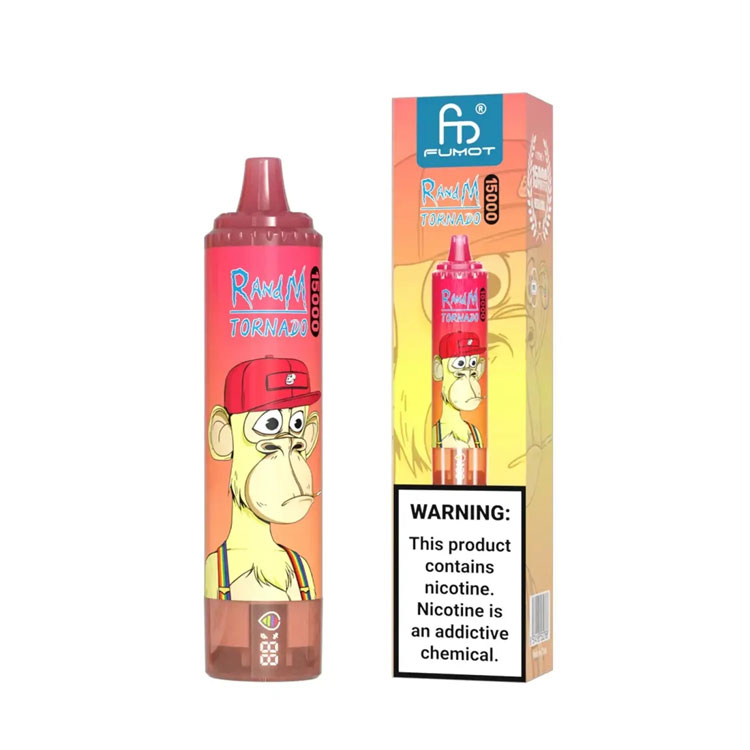
While e-cigarettes do not contain many of the harmful chemicals found in traditional cigarettes, they are not risk-free. It’s important to weigh the pros and cons and consult with healthcare providers before starting any smoking cessation method.
2. Can I use nicotine patches and e-cigarettes simultaneously?
Combining these methods is generally not recommended unless advised by a healthcare professional, as it may lead to excessive nicotine intake.

3. How long should I use nicotine patches?
The duration of using nicotine patches varies by individual, typically ranging from 8 to 12 weeks. It’s crucial to follow the recommended plan on the product label or seek guidance from a healthcare provider.