Basic Structure of E-Cigarettes
E-cigarettes, also known as electronic nicotine delivery systems (ENDS), consist of several main components. These include a battery, an atomizer, a cartridge or tank, and a mouthpiece. Each part has a distinct function:
- Battery: The power source of the e-cigarette, often rechargeable, provides the energy required to heat the e-liquid.
- Atomizer: This component houses the coil, which heats up the e-liquid, converting it into vapor.
- Cartridge/Tank: This reservoir holds the e-liquid, which can vary in nicotine concentration and flavor.
- Mouthpiece: The part from which users inhale the vapor created by the vaporization process.
Each of these components plays a crucial role in the vaping process, influencing the vapor’s flavor, thickness, and nicotine delivery.
Battery and Power Settings
The battery is an essential component, determining the device’s longevity and performance. Most e-cigarettes use lithium-ion batteries known for their durability and energy density. Some advanced models allow users to control voltage or wattage, affecting the vapor’s intensity and heat. Understanding these settings can enhance your vaping experience, tailoring it to personal preferences.
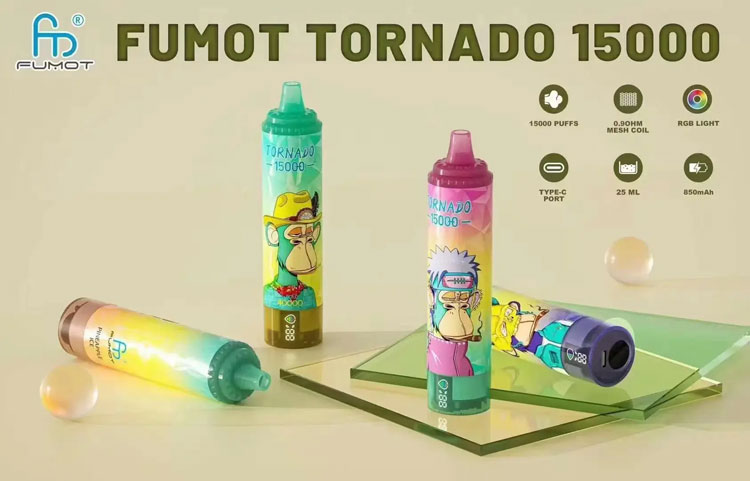
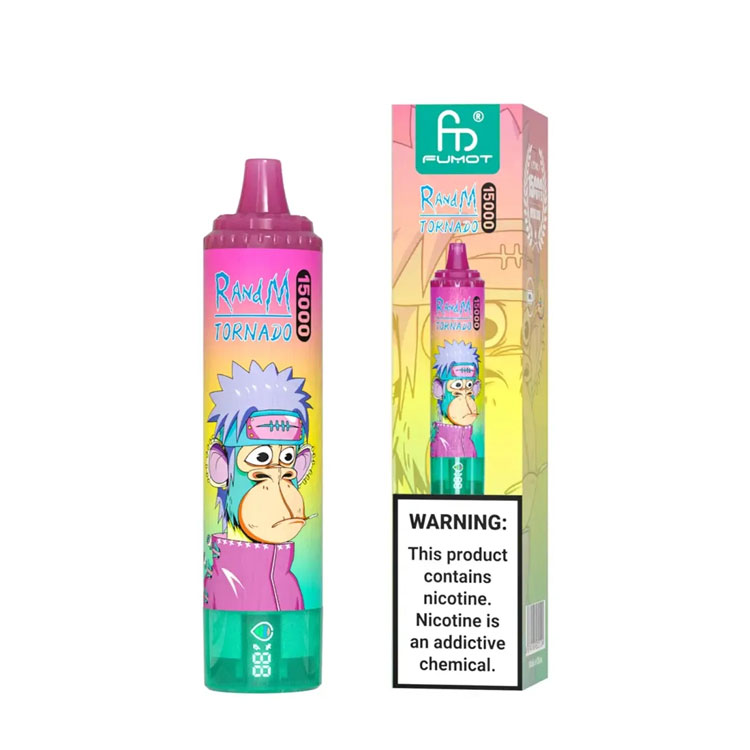
Atomizer Types
Atomizers vary significantly, affecting the vape’s taste and cloud production. Common types include disposable atomizers, replaceable atomizers, and rebuildable atomizers.
- Disposable Atomizers: Convenient but short-lived, often paired with entry-level devices.
- Replaceable Atomizers: These provide a balance between convenience and customization, allowing users to swap out used coils without replacing the entire unit.
- Rebuildable Atomizers: Favored by hobbyists for their flexibility and personalization potential, they require more maintenance and expertise.
Each type has its benefits and drawbacks, making it vital for users to select one that aligns with their vaping habits and skill level.
Cartridges, Tanks, and E-Liquid
The cartridge or tank stores the e-liquid, a critical component in determining the vaping experience. E-liquids consist of a blend of propylene glycol (PG), vegetable glycerin (VG), flavorings, and nicotine (optional). The PG/VG ratio can impact the vapor’s smoothness, throat hit, and cloud production. High VG liquids typically produce thicker clouds, whereas high PG liquids offer more impactful throat hits. The variety of available flavors contributes to vaping’s popularity, allowing users to experiment with different tastes until they find their favorites.
Mouthpiece and User Experience
The mouthpiece’s design can influence comfort and hygiene. While some mouthpieces detach for easy cleaning, others are integrated into the device’s design. Material choices, from plastic to metal, affect durability and maintenance requirements. Finding a mouthpiece that suits your preferences can enhance comfort during use, making your experience more enjoyable.
FAQs on E-Cigarette Components
What is the safest type of atomizer to use for beginners?
For beginners, replaceable atomizers tend to be the safest choice. They offer a good balance of ease and control, allowing new users to get familiar with vaping without dealing with complex setups.
Can I mix different flavors of e-liquid?
Yes, mixing flavors is common among vapers. However, doing so might alter the taste dramatically. It’s advisable to start with small quantities to test compatibility before combining larger amounts.
How often should I replace the coil in my atomizer?
This depends on usage and the type of e-liquid. Generally, you should replace the coil every 1-4 weeks. Noticeable changes in taste, decreased vapor production, or a burnt taste are good indicators that a coil change is due.
Understanding the fundamental elements of e-cigarettes offers useful insights: essential for both novice users seeking safe use and seasoned enthusiasts looking to enhance their experience. As the industry evolves, staying informed will help you navigate the ever-growing array of products and technologies.