Electronic cigarettes, often referred to as e-cigarettes, have gained popularity as an alternative to traditional smoking. But what’s in these devices that purportedly help people transition away from tobacco? At their core, e-cigarettes are designed to simulate the act of smoking without the combustion of tobacco. Let’s delve into the common components found in these electronic devices.
The Basic Structure of an E-Cigarette
Most e-cigarettes consist of a few essential parts: a battery, an atomizer, and a cartridge or tank filled with a flavored liquid commonly known as e-liquid or vape juice. The e-liquid is the critical component as it’s the substance that gets vaporized and inhaled by the user. But what’s in this e-liquid?
Composition of E-Liquid
The primary ingredients in e-liquid include propylene glycol (PG) and vegetable glycerin (VG). These substances serve as the base and create the visible vapor when heated. Propylene glycol is a thin, tasteless liquid and is often used in products like asthma inhalers. Vegetable glycerin is thicker and produces more vapor. Both substances are generally recognized as safe for consumption by the U.S. Food and Drug Administration (FDA).
Nicotin is another major component, though its concentration can vary significantly across different products. In some e-liquids, nicotine levels are customized to meet personal preferences, offering options from nicotine-free to high concentrations. In addition to these, e-liquids often contain flavorings. These flavors range widely from fruits to desserts and even tobacco, allowing users to personalize their vaping experience.
Understanding Additional Contents
While the main ingredients of e-liquids are simple, other additives may be present. Some e-liquids may contain water or alcohol to impact throat hit or vapor density. Moreover, there is ongoing scrutiny and debate over the safety of certain flavoring chemicals when inhaled. A well-known example is diacetyl, a buttery-flavored chemical linked to lung disease, though its use has declined due to public health concerns.
Safety and Regulatory Insights
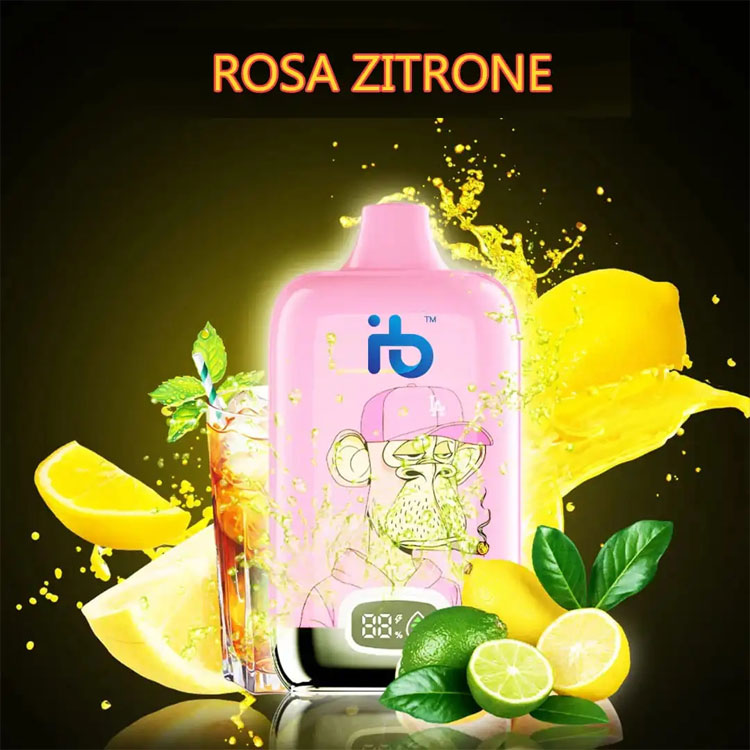
The safety of electronic cigarettes continues to be studied and debated. Studies indicate that while e-cigarettes might pose fewer risks than traditional smoking, they aren’t entirely without harm. The components and the resulting aerosols might still impact respiratory health. Regulatory bodies across different countries are actively working on policies to control e-cigarettes’ ingredients, ensuring transparency and safety.
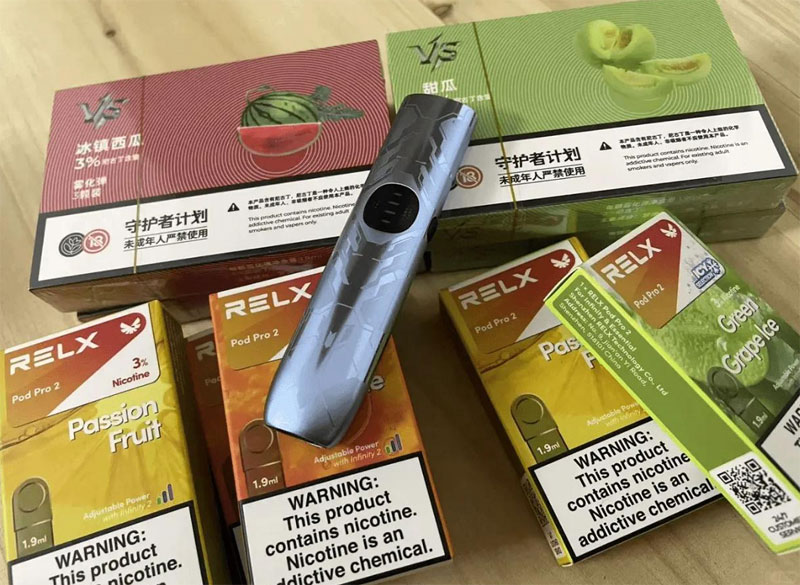
For instance, the FDA stipulates that manufacturers disclose ingredient lists and has exerted more control over what goes into e-liquids, aiming to protect consumer health. Clear labeling and standardized production processes are steps toward dispelling uncertainties about e-cigarette contents.
What Consumers Need to Know
For individuals considering e-cigarettes as an alternative to traditional smoking, it is vital to understand these devices’ makeup. Besides being informed about the potential risks and benefits, understanding the ingredients allows consumers to make more informed choices and opt for reputable brands that provide transparency.
The wide variety of flavors and nicotine levels also means users can tailor their experience to suit personal preferences. However, the presence of specific additives should prompt consumers to read labels and stay informed about the latest regulations and findings in e-cigarette research.
FAQs About E-Cigarettes
Are e-cigarettes safer than traditional cigarettes?
While e-cigarettes are often marketed as a safer alternative, they are not without risk. The long-term health effects of inhaling vaporized e-liquid are still actively researched.
What’s the purpose of nicotine in e-cigarettes?
Nicotin provides the addictive component familiar to traditional cigarette users, potentially helping individuals transition away from smoking tobacco products.
Can e-cigarette use lead to quitting smoking?

Research suggests mixed results. While some find them helpful due to nicotine content and behavioral similarities to smoking, others do not successfully quit.