What are E-cigarettes Made of?
E-cigarettes, also known as electronic cigarettes, are intricate devices designed to offer an alternative to traditional smoking. At their core, e-cigarettes consist of several primary components that work in synergy to deliver nicotine in a vaporized form, without the need to burn tobacco. Understanding what e-cigarettes are made of requires a closer look at their individual elements and the role each plays in the process.
Battery
The power source of an e-cigarette is its battery, typically rechargeable lithium-ion, which provides the necessary energy to heat the coil. This coil is responsible for vaporizing the e-liquid. Batteries vary in size and capacity, directly influencing both the performance and portability of the device. Advanced models might feature variable voltage settings that allow users to customize their vaping experience.
E-liquid Cartridge
The e-liquid, sometimes referred to as vape juice, is stored within a cartridge or tank. This liquid mainly consists of propylene glycol (PG), vegetable glycerin (VG), nicotine, and varying flavors. Both PG and VG serve as carriers for the nicotine and flavors. The ratio of PG to VG affects the viscosity, throat hit, and vapor production. Flavors range from tobacco and menthol to fruits, desserts, and more exotic blends, influencing user appeal and market trends.
Atomizer
At the heart of the e-cigarette is the atomizer, a heating element that turns e-liquid into vapor. This component usually contains a coil made from materials such as stainless steel or nickel, which physical heat the e-liquid. Wattage or voltage applied to the coil vastly affects the vapor production and flavor intensity. Modern atomizers come in various designs, including disposable and rebuildable options for advanced users seeking customization.
Mouthpiece
The mouthpiece, or drip tip, is the part of the e-cigarette that users inhale through. Comprising materials like plastic or metal, the mouthpiece forms the final link between the atomizer and the individual’s mouth. Its design can significantly impact comfort and the overall vaping experience. Variations in airflow can influence not just comfort but also the flavor and density of the vapor intake.
E-cigarette Control Unit
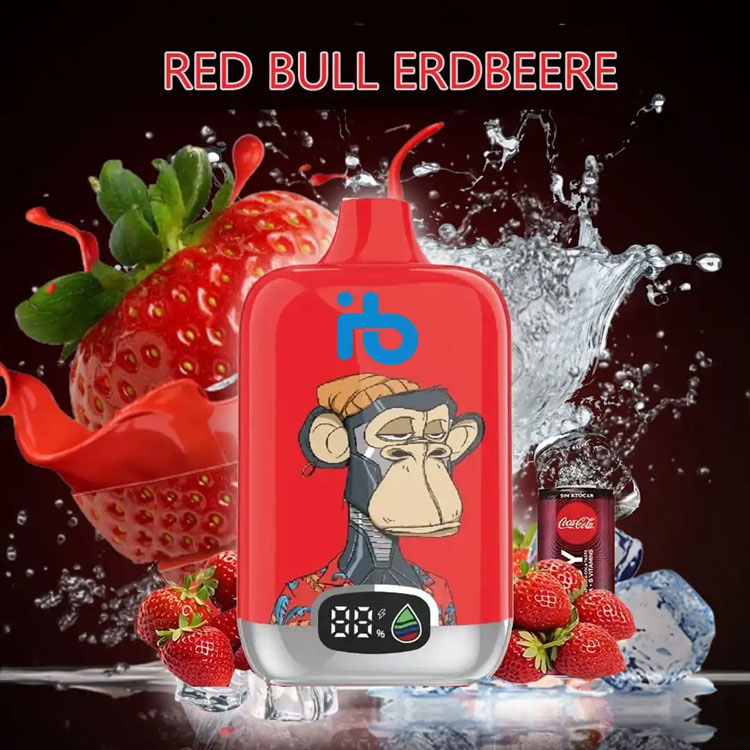
More sophisticated e-cigarettes feature a control unit – often integrated with LED screens – allowing users to manage settings such as temperature, power output, and battery life. These features allow for precision vaping, making it possible to achieve preferred vapor production and flavor profiles. Some models are equipped with smartphone compatibility for enhanced control and tracking.

For those diving into the vaping world, knowing what components e-cigarettes are made of is crucial for an informed experience. By understanding the function and interplay of each part, users can tailor their devices to suit personal needs and preferences, ultimately enhancing satisfaction and potentially reducing harm associated with nicotine consumption.