With the rapid rise in the popularity of e-cigarettes, also known as electronic nicotine delivery systems (ENDS), there has been an increasing curiosity surrounding the e-cigarette ingredients. Retailers and manufacturers often market these products as a safer alternative to traditional tobacco cigarettes, yet it’s crucial to delve into what exactly these devices deliver into your system during each use.

Core Components of E-Cigarette Ingredients
The operation of e-cigarettes involves heating a liquid to create an aerosol, commonly referred to as vapor, which users inhale. This liquid, or e-liquid, primarily consists of a few key ingredients: propylene glycol (PG), vegetable glycerin (VG), nicotine, and flavorings .
.
1. Propylene Glycol (PG)
Propylene glycol is a synthetic organic compound that serves as a base for e-liquids. It’s used to dissolve other ingredients and is responsible for carrying the flavor. PG is considered safe by the FDA for ingestion and cosmetic use, though some people may experience allergies or throat irritation when inhaling it in vapor form.
2. Vegetable Glycerin (VG)
Another primary ingredient, VG is a natural compound derived from vegetable oils. It’s thicker than PG, and when vaporized, it produces a larger cloud, making it a favorite among those who prefer more visual vapor. VG is generally safe for human use and is common in food and medicinal products.
3. Nicotine
Nicotines concentration in e-liquids varies widely, allowing users to choose based on their preferences or to facilitate smoking cessation by gradually reducing nicotine intake. Although less harmful than in cigarette form, nicotine is still an addictive substance with a range of powerful physiological effects.
4. Flavorings
The flavorings used in e-cigarettes are often food-grade and come in various profiles to enhance the vaping experience. However, not all flavorings are deemed safe for inhalation. Chemicals such as diacetyl, used in some flavorings, have been linked to respiratory issues.
The Controversial Aspect of E-Cigarette Ingredients
Concerns have been raised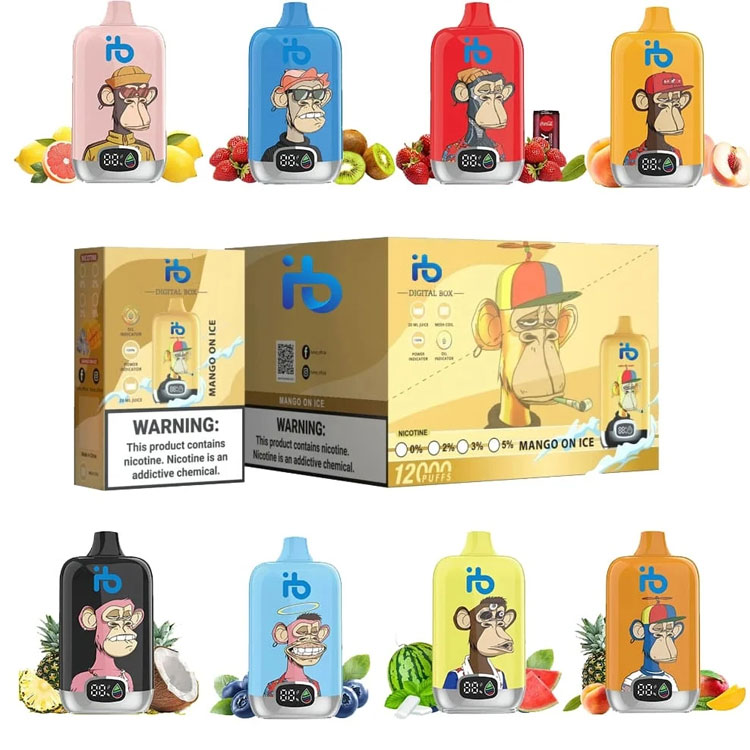 regarding the long-term effects of inhaling these ingredients. While many e-cigarette ingredients are harmless when ingested or used topically, inhalation introduces a new slate of potential risks. Additionally, since the e-cigarette industry is relatively young, comprehensive research on these compounds’ long-term impacts when vaporized is still emerging.
Unlisted Ingredients and Contaminants
Often, e-liquids may contain hidden ingredients that manufacturers do not disclose. These might include contaminants formed during the heating process or introduced during manufacturing. Hence, what might seem a harmless concoction can sometimes become a reservoir of unexpectedly harmful substances.
“The long-term health effects of vaping are still unknown, but we do know nicotine is a highly addictive substance and that e-cigarettes can contain harmful or potentially harmful ingredients, including heavy metals.”
FAQs About E-Cigarette Ingredients
- Are all e-cigarette flavorings safe?
Not necessarily. While many are food-grade, suitability for inhalation varies. Some flavorings contain potentially harmful chemicals not meant for respiratory exposure.
- Do all e-cigarettes contain nicotine?
Not all, but many do. The nicotine content can often be customized, allowing users to reduce intake gradually.
- Is vaping safer than smoking traditional cigarettes?
While some studies suggest it might be less harmful than smoking, vaping is not without risks. It’s important to research components and effects thoroughly.