Innovative Startups
: In contrast, nimble startups bring fresh perspectives and quickly adapt to market trends. Companies like JUUL Labs, Puff Bar, and Suorin cater to younger audiences by offering sleek designs and a variety of flavors. JUUL Labs, in particular, has become synonymous with the vaping movement, though it’s faced its share of controversies over marketing practices targeting minors. These startups are significant players in the industry due to their ability to innovate rapidly.
Product Innovations and Technology
E-cigarette manufacturers continuously push boundaries with technological advancements. From temperature control settings to extended battery lives and compatibility with customizable liquid flavors, innovation is key. The incorporation of smart technology allows users to monitor usage patterns via mobile apps, making vaping a more personalized experience. Some devices even feature leak-proof systems, prioritizing customer convenience. Regulations and Challenges: Despite the promising growth, manufacturers face significant challenges, primarily from regulatory bodies worldwide. Countries like the U.S., UK, and Australia impose stringent guidelines on e-cigarette production, advertising, and sales to address health concerns and curb youth usage. This regulatory landscape forces manufacturers to adapt, adhering to safety standards while maintaining competitive edges.
The global outreach of e-cigarette companies underscores the importance of adhering to varied international laws and consumer preferences.
Companies must balance innovation with compliance, a delicate dance impacting strategic decisions on product releases and marketing strategies.
Market Trends
The e-cigarette market also witnesses shifts in consumer preferences and market trends. There is a growing demand for nicotine-free options, driven by health-conscious users, as well as CBD-infused e-liquids targeting relaxation and wellness. Additionally, the rise of disposable e-cigarettes offers convenience and affordability, attracting a segment of users looking for cost-effective, hassle-free options.
- Flavor varieties: A plethora of flavors, from classic tobacco to fruity concoctions, keeps the market vibrant and appealing to diverse consumer tastes.
- User demographics: While young adults primarily dominate the consumer base, older demographics are gradually adopting vaping as smoking cessation tools.
- Environmental impact: Sustainability is increasingly important, prompting manufacturers to consider eco-friendly practices in production and packaging.
Understanding these dimensions helps one appreciate the intricate structure of who makes e-cigarettes and the innovations shaping this dynamic industry.
FAQ
- What are the leading brands of e-cigarettes? – Leading brands include JUUL, Vuse, IQOS, Blu, and NJOY, with each offering unique features and flavors.
- Are e-cigarettes a healthier alternative to smoking? – While e-cigarettes are often marketed as a safer alternative to traditional smoking, ongoing studies and health experts continue to evaluate their long-term impact. Regulatory bodies recommend cautious use, especially among youth.
- How do regulations impact e-cigarette manufacturers?
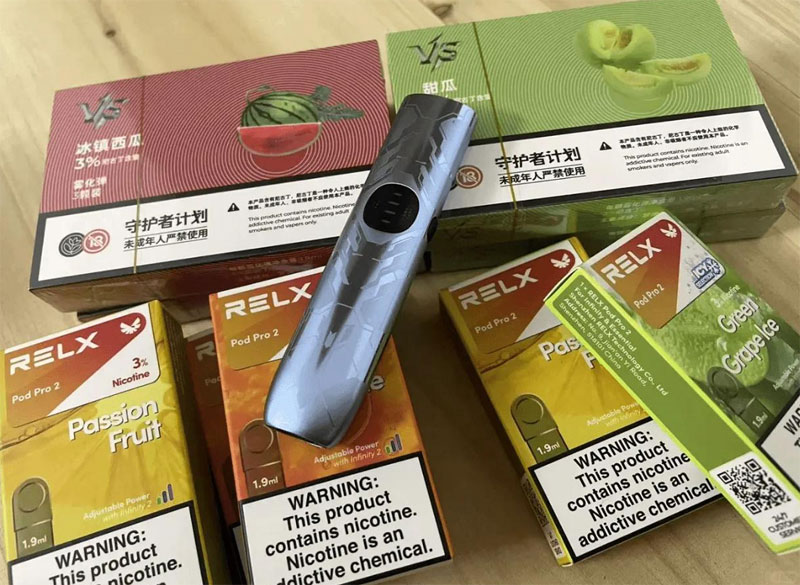 – Regulations significantly impact production, marketing, and distribution practices, requiring companies to stay compliant while innovating to meet user needs.