The landscape of vaping has seen significant changes with Taiwan implementing a stringent ban on e-cigarette imports. This legislative move is set to impact vapers and the e-cigarette industry both locally and globally. As the government takes decisive steps against the importation, understanding the implications becomes crucial for stakeholders. This article will delve into the nuances of Taiwan’s e-cigarette import ban and explore what it means for enthusiasts and industry players.
Taiwan’s Legislative Action
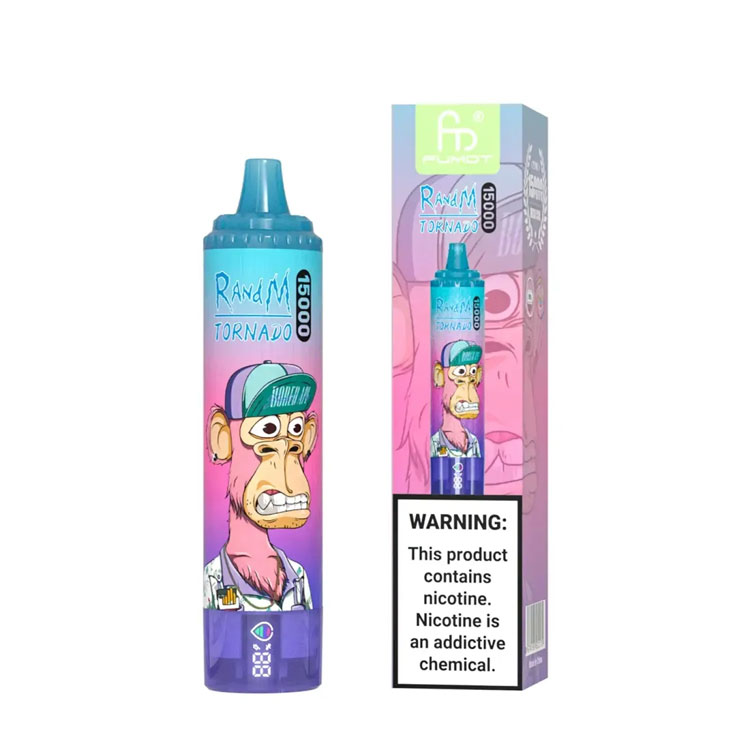
In recent years, Taiwan has witnessed a notable increase in e-cigarette use, particularly among younger demographics. To address health concerns and curb the rising popularity, the Taiwanese government has enacted a comprehensive ban on the importation of e-cigarettes. The decision aligns with Taiwan’s public health goals, aiming to reduce smoking-related illnesses by restricting the availability of vaping products.
The Impact on Vapers
The import ban means that vapers in Taiwan may find it increasingly difficult to access a wide variety of e-cigarette products. Local retailers will be limited to sourcing from domestic manufacturers, which may not offer the same diversity or quality that international brands provide. Moreover, the ban could lead to increased prices, as limited supply might drive up demand among the vaping community.
For those who have turned to vaping as a smoking cessation tool, the restriction presents new challenges. The decrease in product availability may affect individuals seeking alternatives to traditional cigarettes, potentially hindering their progress towards quitting smoking.
Industry Ramifications

Globally, the ban signifies a substantial shift for companies exporting vaping products to Taiwan. Brands that have relied on the Taiwanese market will need to reevaluate their strategies. Taiwan’s decision could set a precedent, encouraging other countries in the region to consider similar regulations. This ripple effect might prompt manufacturers to adapt quickly by exploring alternative markets or investing in local production facilities to circumvent import restrictions.
Understanding the Ban’s Motivation
The government’s decision is rooted in health concerns, with extensive studies highlighting the risks associated with vaping, particularly among youth. Taiwan aims to safeguard public health by limiting access and thereby discouraging initiation among non-smokers. Additionally, the ban aligns with global health trends where countries strive to create rigorous regulatory frameworks surrounding novel tobacco products.
While critics argue that the move could stifle innovation and limit consumer choice, proponents believe it’s a necessary step towards achieving long-term health goals. It underscores the balance policymakers seek between public health interests and economic viability.
Alternative Solutions for Vapers
Vapers in Taiwan may need to explore alternative solutions given the import ban. Local e-liquid manufacturers may experience growth as they adjust to heightened demand. Consumers might also turn to other nicotine replacement therapies, such as patches or gums, as viable substitutes.

As the ban unfolds, vapers can engage in advocacy to express their concerns and potentially influence future legislative decisions. Joining vaping associations and participating in dialogue with lawmakers can become pivotal in shaping the future of vaping regulations.
Possible Future Developments
It’s plausible that the Taiwanese government might revise its stance on vaping as more data becomes available. Monitoring global trends in e-cigarette regulation could lead to more balanced approaches, offering less restrictive measures while still protecting health interests.
FAQs
Q: Are there any legal alternatives to e-cigarettes in Taiwan?
A: Yes, there are nicotine replacement therapies available, such as patches and gums, that can be purchased legally.
Q: How can local manufacturers benefit from the import ban?
A: Local manufacturers may gain a competitive edge by increasing production to meet local demand, thus expanding their market presence.
Q: Will the ban affect e-cigarette prices in Taiwan?
A: It’s likely. Reduced availability might drive up prices due to increased demand, impacting the cost accessibility for consumers.