E-Raucher guidance on faulty devices and the hidden dangers of vaping
Vaping has become a mainstream alternative for many adult smokers, yet not all electronic nicotine delivery systems are equal. Consumers need clear, practical information on how to recognize hazards and take steps to protect themselves. This article offers an in-depth exploration of device failures, common defects, risk mitigation strategies, and what to do if you suspect a product is unsafe. The content focuses on issues related to E-Raucher concerns and answers around what risks are involved with defective e cigarettes while providing guidance for responsible users and those advising them.
Why device defects matter: an overview
Defective e-cigarettes and poorly manufactured components can cause a range of harms that extend beyond simple device malfunction. While many devices work reliably, design flaws, counterfeit parts, substandard batteries, improper charging accessories, and contamination of e-liquids can lead to serious incidents. The most frequently reported outcomes of defects include battery failures that lead to overheating or fires, chemical exposure from overheated or decomposed e-liquid ingredients, liquid leaks causing skin or eye contact, and nicotine overexposure especially in children and pets. Understanding these risks is the first step in avoidance and prevention.
Common categories of defects and how they create risk
- Battery and power system failures: Most modern devices use lithium-ion cells. Defects such as poor cell quality, manufacturing anomalies, lack of protective circuits, or damaged casings can cause thermal runaway. Thermal runaway may lead to rapid temperature rise, smoke, fire, or explosion. Always treat battery-related defects as potentially dangerous.
- Charging problems and incompatible chargers: Many incidents involve users employing inappropriate chargers or damaged charging cables. Over-voltage, lack of overcurrent protection, and cheap chargers with poor regulation can cause heat build-up. Using the manufacturer-specified charger reduces risk significantly.
- Coil and atomizer failures: Poorly made coils may develop hotspots, short circuits, or uneven heating. This can degrade e-liquid into harmful byproducts at high temperatures, producing unwanted chemicals that users can inhale.
- Structural and enclosure defects: Cracked casings, loose seals, or poor quality manufacturing can allow liquid leaks. Leaked e-liquids can expose skin to nicotine and other chemicals or create fire risks if they contact electrical components.
- Contaminated or counterfeit e-liquids: Defective manufacturing conditions or counterfeit liquids might contain impurities, incorrect nicotine concentrations, or harmful additives. Such contamination may increase acute toxicity or cause long-term respiratory harm.
- Firmware and software bugs in regulated devices: Regulated devices sometimes include firmware for temperature control and safety cutoffs. Software bugs may disable these protections or produce false readings, allowing unsafe operation.
Health consequences tied to defective e-cigarettes
When consumers ask what risks are involved with defective e cigarettes, the answer spans immediate physical injury to long-term health impacts. Immediate injuries include burns, chemical exposure, and traumatic injury from device rupture. Inhaling degraded or contaminated vapor can trigger acute respiratory symptoms, and repeated exposure to certain thermal degradation products may increase risk of chronic respiratory disease. Nicotine poisoning is a serious hazard, particularly for children, if high-concentration liquids leak or are accessible. There is also a psychological cost: users who experience device failure may lose confidence in harm-reduction strategies, complicating smoking cessation efforts.
Specific incident types and examples
- Thermal events: Overheating may begin as venting or smoking and escalate to combustion. These events sometimes happen while devices are in pockets or bags, leading to clothing ignition and burns. Escalation can be rapid.
- Explosions: Result from internal pressure build-up in the battery or tank. Explosions can cause shrapnel-like projectiles from device components.
- Delayed fires: Some defects result in smoldering conditions that manifest hours after initial charge or use. Such delayed fires are particularly hazardous at night when people are asleep.
- Chemical burns and dermal exposure: Spilled e-liquid, especially high-nicotine solutions, can cause skin irritation, chemical burns, or systemic nicotine absorption if not washed promptly.
- Respiratory reactions: Users may experience coughing, wheeze, chest tightness, or more severe lung injury if inhaling aerosols generated at excessive temperatures or containing contaminants.
How to identify a potentially defective device
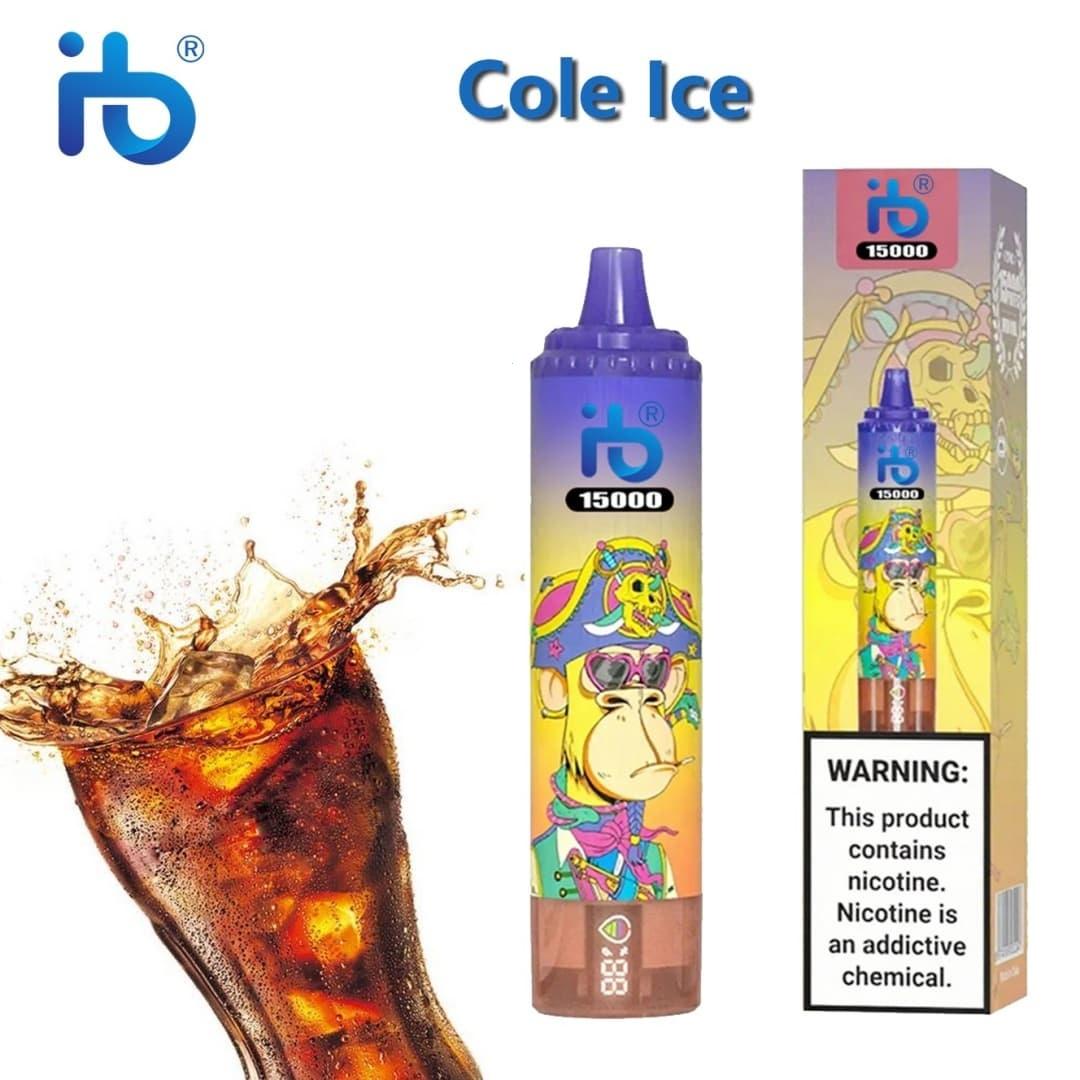
Early recognition helps prevent injury. Signs that an e-cigarette may be defective include unusually rapid battery drain, excessive heat during normal use, strange smells (chemical or burning), visible damage to seals or casings, leaking e-liquid, inconsistent vapor production, and error messages or malfunctions from regulated devices. If you encounter any of these, stop using the device immediately and follow safe handling steps described below.
Visual and functional checks you can perform
- Inspect the battery and casing for dents, swelling, or punctures.
- Check threads and seals for wear or cross-threading that can cause leaks.
- Confirm that the charger port and cable are undamaged and match manufacturer specifications.
- Observe vapor color and smell: dark or acrid vapor can indicate overheating or contamination.
- Listen for unusual sounds such as hissing or popping during use or charging.
Practical steps to reduce risk and protect yourself
Reducing the probability of encountering a defective device starts at the point of purchase and continues through everyday use and maintenance. Below is a practical checklist that vapers can follow to reduce the likelihood of injury and to limit harm should a defect occur.
Before buying
- Buy from reputable retailers and recognized manufacturers; avoid unbranded or suspiciously inexpensive devices.
- Check for certifications, safety standards, and clear labeling (e.g., cell specifications, wattage ranges, and warnings).
- Research user reviews and trusted testing reports. Brands like E-Raucher that publish product specifications and safety details are generally more reliable.
- Verify return policies and warranty terms; legitimate sellers will offer clear recourse for defects.
When you first receive a device
- Inspect packaging and the device for seams, tamper-evidence, and intact seals.
- Charge only with the supplied cable and wall adapter; many devices are designed for specific charging protocols.
- Read the manual to understand device limits, recommended coils, and maintenance intervals.
Daily safe-use habits
- Do not modify devices or replace batteries with cells that are not approved for the device.
- Avoid extreme temperatures—do not leave devices in hot cars or expose them to freezing conditions for long periods.
- Keep liquids and devices out of reach of children and pets; nicotine is toxic in sufficient oral doses.
- Regularly clean connection points to avoid poor contacts that might cause arcing.
- Adopt a habit of turning devices off when not in use and storing them in protective cases if carried in bags or pockets.
When charging
- Charge on a stable, non-flammable surface and never charge unattended for long periods.
- Do not charge devices under pillows or on sofas.
- Use the original charger or a certified replacement that matches the device specs.
- If the battery becomes very hot while charging, unplug immediately and allow it to cool in a safe area outdoors if possible; seek professional advice about disposal.
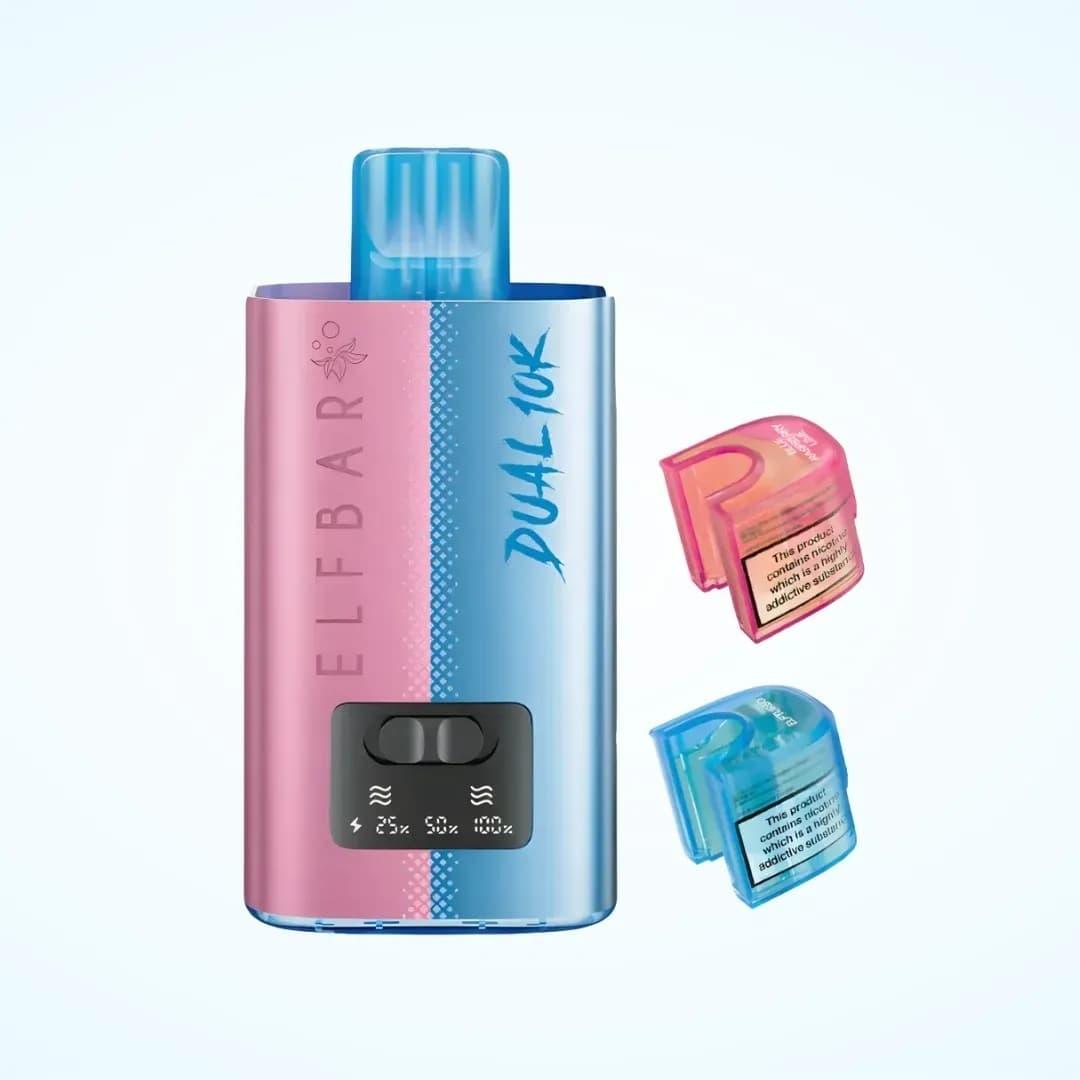
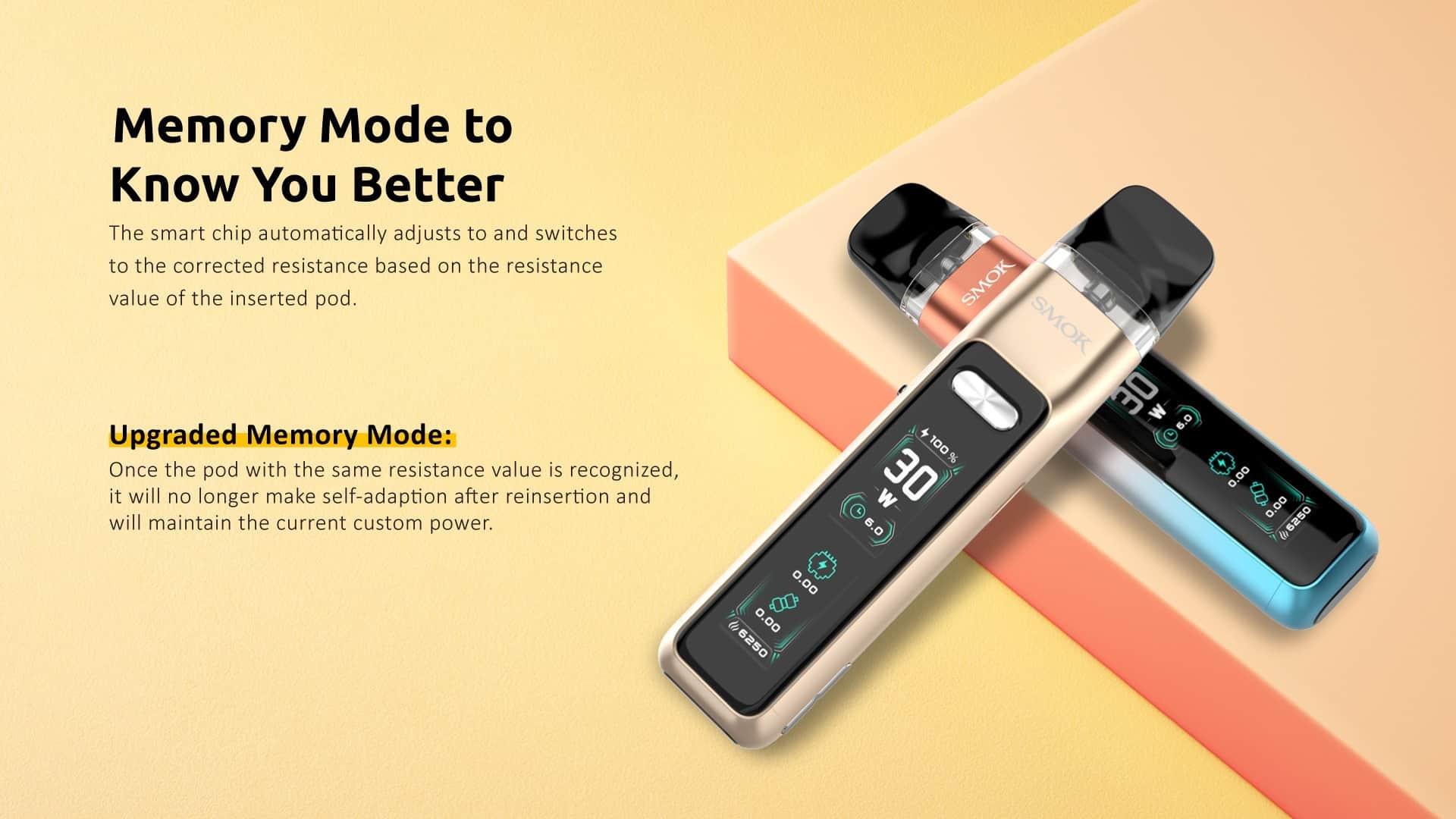 E-Raucher warns about what risks are involved with defective e cigarettes and how vapers can protect themselves” />
How to respond to an overheating device or other emergencies
If a device is overheating, emits smoke, or shows signs of failure, prompt action matters. First, move away from the device and ensure people and combustible materials are at a safe distance. If safe to do so, power the device off and disconnect any cables. Do not immerse a hot battery in water—the rapid cooling can cause violent reactions. For battery fires, use a class D fire extinguisher where available or a large quantity of sand to smother flames; never use water on lithium-based battery fires unless professional guidance is available. For skin or eye exposure to e-liquid, rinse immediately with water and seek medical attention if significant exposure has occurred. If there are burns, call emergency services. Report the incident to the retailer and manufacturer and retain the device if possible for investigation.
Reporting and recall awareness
Consumers should be proactive in looking up recalls and safety notices from regulators and manufacturers. Organizations like national consumer protection agencies, product safety commissions, or health departments sometimes publish recalls or safety advisories. Report suspected defects to these agencies and keep records, receipts, and photos. Responsible manufacturers often issue refunds, replacements, or repairs if a product is found to be defective. Documenting events may also aid recall investigations and protect other consumers.
Legal, regulatory, and quality assurance context
Regulations vary regionally, but many jurisdictions have introduced manufacturing and labeling standards intended to reduce the prevalence of defective e-cigarettes. These include measures for child-resistant packaging, accurate nicotine concentration labeling, battery safety requirements, and testing for contaminants. Registered brands that comply with these frameworks often provide greater assurance; therefore, align purchases with manufacturers that publish test certificates, batch records, and third-party lab analyses. Awareness of local regulatory frameworks helps consumers understand what protections exist and how to engage with enforcement authorities.
Why counterfeit and grey-market products are high risk
Counterfeit devices and components mimic reputable brands but often omit critical safety features. Cells in fake batteries may be of poor quality, lacking internal protective circuitry; shells and connectors may be imprecise and prone to shorting; e-liquids may have unknown solvents or contaminants. Always avoid sourcing devices through unreliable marketplaces, and be cautious of products that seem too cheap relative to brand-name items. E-Raucher and other conscientious manufacturers typically offer ways to verify authenticity via holograms, batch codes, or QR checks.
Maintenance, spare parts, and upgrades
Maintaining devices using manufacturer-approved parts is essential. Using non-compatible coils or tanks can create mismatches in resistance, airflow, or heating that raise temperature and risk. Regularly replace worn O-rings, seals, and coils to prevent leaks. If a device has updatable firmware, keep it patched with manufacturer-released updates to benefit from safety fixes. Dispose of worn batteries according to local hazardous-waste guidelines; never put damaged lithium cells in regular trash.
Community reporting and shared responsibility
Advocacy groups, vaper communities, and retail staff play a role in raising awareness about defective devices. Share verified reports and safe practices, and avoid promoting unverified hacks or modifications that compromise safety features. When a defect is detected, community reporting helps create pressure for recalls and better manufacturing oversight, benefiting the broader population of users.
Insurance and liability considerations
Users should be aware that device-related fires or property damage may involve insurance claims. Keep purchase receipts and document maintenance to support claims. Manufacturers may bear liability for defects under consumer protection laws, but pursuing legal remedies varies by country. Keep records and consult legal counsel if significant injury or loss occurs.
Practical checklist: what every vaper should do
- Purchase from reputable sellers and verify authenticity.
- Read and follow the user manual, manufacturers’ safety guidance, and recommended chargers.
- Perform a visual inspection on arrival and periodically during use.
- Store batteries and liquids securely and out of reach of children.
- Stop using and report any device that runs hot, leaks, smokes, or behaves erratically.
- Carry limited amounts of spare e-liquid and store it in childproof containers.
- Subscribe to manufacturer updates and safety notices; register devices if offered.
Answering the core question: what risks are involved with defective e cigarettes?
The risks include physical injury from burns or explosions, chemical exposure from leaked or overheated e-liquids, respiratory harm from inhalation of toxic breakdown products, nicotine poisoning, property damage from fires, and psychological impacts from traumatic incidents. Device defects elevate baseline risks of vaping and turn a relatively low-risk harm-reduction tool into a potential source of acute injury. Knowing what risks are involved with defective e cigarettes empowers users to take preventive measures.
When to seek medical help and what to tell healthcare providers
If you experience burns, persistent coughing, wheezing, chest pain, dizziness, or signs of nicotine toxicity (nausea, vomiting, rapid heartbeat, confusion), seek medical attention. Provide clinicians with details about the device, type of e-liquid, symptoms, and timing. If possible, bring the device or a photo to the appointment. For chemical exposure, follow first-aid protocols: flush eyes or skin with water and seek emergency care when exposure is significant.
Final thoughts and a call to vigilance
Vaping can be a useful smoking alternative for adults but requires attention to device safety. By understanding the types of defects that can occur and following best practices—buying high-quality products, inspecting devices, charging responsibly, using approved parts, and reporting problems—vapers can substantially reduce their risk. Brands that prioritize transparency, testing, and user education—including well-known reputable suppliers—help set industry norms that protect consumers. Remember that awareness and careful behavior are your first lines of defense when asking E-Raucher style questions about safety and what risks are involved with defective e cigarettes.
Resources and further reading
- National consumer product safety sites and recall databases.
- Manufacturer safety pages and device registration portals.
- Clinical toxicology guidance for nicotine exposure.
- Fire safety guidance for lithium battery incidents.
Stay informed, prioritize quality, and treat any sign of defect as a serious hazard. Reporting defects and choosing reputable products helps protect everyone in the vaping community.
FAQ
Q: How can I verify a product’s authenticity?
A: Check for manufacturer verification features like batch codes, holograms, QR checks, and buy through authorized retailers. Cross-reference product numbers on the manufacturer’s website and read third-party reviews and lab reports where available.
Q: What should I do if my device overheats while charging?
A: Unplug it immediately, move it to a non-flammable surface away from people and structures, allow it to cool, and contact the manufacturer. Do not puncture or attempt to open a hot battery; if it vents or ignites, follow emergency procedures and call firefighters.
Q: Are replacement batteries safe to buy online?
A: Only purchase replacement batteries from reputable vendors that specify cell model, capacity, and safety features. Avoid unknown-brand cells and never use batteries that are physically damaged or swollen.
Q: How do I report a defective e-cigarette?
A: Contact the seller and manufacturer immediately, preserve the device if safe to do so, document the issue with photos, and report to local consumer safety or product recall authorities.