Comprehensive travel primer for vaping passengers: practical guidance for safe and compliant air travel
Travelers who use Vape devices or are curious about e cigarette rules on airplanes often face a maze of regulations, airline policies, and safety recommendations. This long-form guide consolidates authoritative advice, pragmatic packing tips, and step-by-step checks to help you fly stress-free with vaping gear. Whether you carry a pocket-sized pod, a mod with spare batteries, a disposable e-liquid device, or nicotine-free alternatives, this resource is written to clarify common uncertainties and highlight differences between domestic and international travel.
Key takeaway: understanding both the general aviation safety framework and the specific airline or country rules is essential. Keep your Vape equipment in carry-on luggage, manage batteries carefully, and always review the latest e cigarette rules on airplanes for your route before heading to the airport.
Why rules exist: safety, battery risk, and regulations
Smoke-free cabins and lithium battery fire risk drive most policies governing the transport of vaporizers and e-liquid products. Aviation authorities prioritize fire prevention and the ability of crew and passengers to respond quickly in a cabin environment. As such, carry-on restrictions and bans on in-flight use form the baseline policy across jurisdictions. Knowing the rationale helps you accept and comply with rules: it is not punitive, it is preventive.
High-level rules you can expect
- Carry-on only for devices: Most airlines and civil aviation agencies require that Vape devices, mods, and electronic cigarettes remain in carry-on baggage; checked luggage is usually prohibited for powered devices.
- Battery handling: Removable lithium-ion batteries should be stored in your carry-on, ideally with terminals taped or in separate protective pouches to prevent short-circuiting.
- In-flight use ban: Using electronic nicotine delivery systems aboard aircraft is almost universally banned. Do not attempt to vape during boarding, taxi, or at altitude.
- Liquid limits: E-liquids are subject to the same liquid restrictions as other gels and liquids when crossing security checkpoints: containers typically must be 100ml/3.4oz or less and fit within a single transparent resealable bag if you’re departing from a region that uses standard liquid rules.
- Airport rules vary: Some airports have additional restrictions on charging devices, e-cigarette demonstrations, or e-liquid possession within sterile areas.

Pre-flight checklist for carrying Vape gear
- Confirm your airline’s policy online and print or save a copy of the policy summary.
- Place devices, spare batteries, chargers, and liquids in your carry-on, organized and clearly accessible for inspection.
- Use insulated battery cases or individual sleeves to prevent metal contact and accidental activation.
- Ensure e-liquid bottles are within allowable sizes and packed in a transparent bag if required by your departure country’s regulations.
- Label any medicinal nicotine product if needed and check customs rules for nicotine limits at your destination.
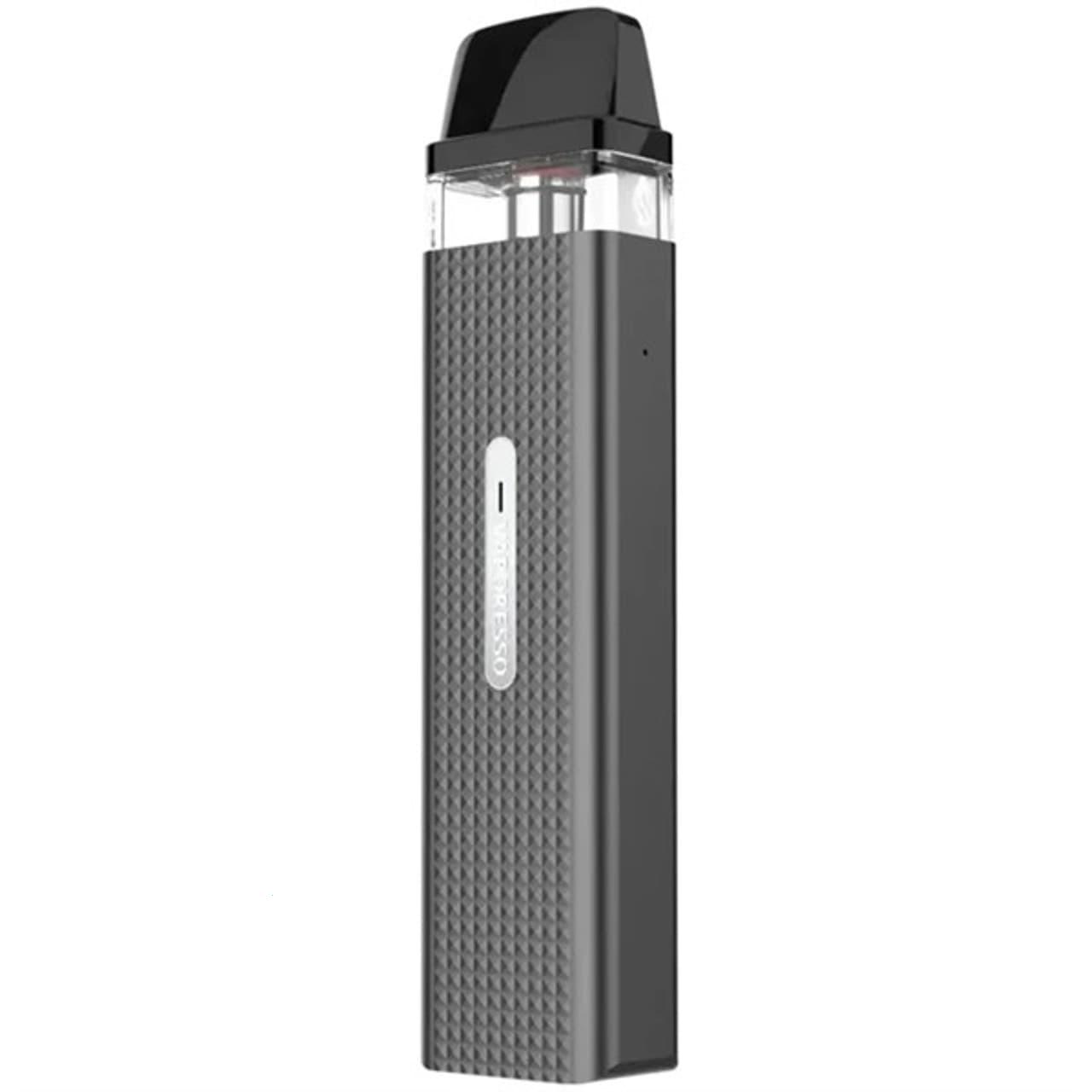
Battery safety: practical steps
Battery-related incidents are the primary safety concern for older devices and high-capacity cells. To reduce risk: keep spare cells in carry-on; never place loose batteries in pockets or checked luggage; avoid charging devices unattended in hotel rooms or aircraft seating areas; and consider using lower-capacity cells when traveling to reduce risk and airline scrutiny.
Understanding airline and jurisdictional differences
Not all rules are created equal. Domestic carriers in some countries allow possession but ban use; others strictly prohibit both possession and use on flights to or from certain destinations. International travel introduces customs and import/export concerns—some countries treat nicotine e-liquids as controlled substances or medicinal products, requiring declarations or even prescriptions. Therefore, research three elements before travel: (1) your departure country’s aviation security rules, (2) your airline’s specific policy, and (3) your destination country’s customs and consumer product laws. Doing this can save you time, confusion, and potential confiscation of goods.
Airport security screening tips
Present devices and e-liquid transparently at security checkpoints. If a security officer asks you to power on a device for inspection, be prepared to do so, but always follow their directions. Keep your gear organized in a dedicated pouch—this expedites inspection and reduces the chance of accidental damage. Some travelers prefer to carry a photo or quick-reference PDF of airline and civil aviation statements to show officers when policies differ by region.
In-flight behavior and what to avoid
Airlines enforce strict no-smoking rules that include vaping. Attempting to vape can result in fines, diversion of the aircraft, or even criminal charges in jurisdictions with strict enforcement. Devices that produce visible vapor increase the risk of passenger complaints and crew intervention. If you’re unsure about permitted behavior, assume vaping is disallowed. Charge devices only before flight or in approved hotel areas; never plug vaping devices into aircraft power ports or attempt to use USB charging points without airline permission.
Disposable vapes, pods, and prefilled cartridges
Disposable products are popular but can pose unexpected disposal and customs issues. When flying, treat disposables the same as reusable Vape devices: carry them in the cabin, keep them away from heat and direct sunlight, and be mindful of local restrictions at your destination. Some jurisdictions have banned certain flavors, nicotine strengths, or the sale of disposable units, which can lead to confiscation at borders.
Packing suggestions and organization
Adopt a simple organizational strategy: one small pack for devices and chargers, one small pouch for spare batteries, and a transparent bag for liquids. Use silica packets to reduce moisture, and avoid tightly packed suitcases that could compress and activate a device. If you travel frequently, invest in a travel case that separates liquids from electronics.
Charging your device during travel
Avoid charging on the plane and do not use the aircraft’s power outlets for vape batteries. In airports, use designated charging stations with care, and never leave batteries unattended while charging. In hotels, charge devices on solid surfaces away from fabrics and flammable materials, and follow manufacturer recommendations for charging times and cables.
Dealing with seizures and enforcement
If an officer or airline representative confiscates a device or e-liquid, remain calm and ask for documentation. Know your rights: request a written receipt if an item is taken, and keep a record of the time, officer name, and reason given. For international issues, contact your embassy or consulate only if you face arrest or a legal penalty. For non-criminal confiscations, airlines often provide procedures to reclaim items domestically; however, items seized at foreign points may be destroyed or held without guarantee of return.
Special cases: medical nicotine, CBD, and zero-nicotine liquids
Products labeled as medical therapies or containing CBD may trigger additional scrutiny or different rules. Research destination-specific laws for cannabidiol and therapeutic nicotine; carry prescriptions or medical letters if applicable. Zero-nicotine e-liquids reduce some customs hurdles but may still be subject to vape regulations in certain countries.
International travel and customs: a short primer
When crossing borders, customs officers focus on quantity and intent. A day’s supply is often tolerated; large quantities may be interpreted as commercial intent and could lead to fines or additional documentation requirements. Smokeless or nicotine-free alternatives may be less regulated—but do not assume immunity from scrutiny. Always declare if required, and when in doubt, consult the embassy or the destination’s customs website.
Frequently overlooked tips from experienced travelers
- Keep a screenshot of airline policies on your phone for quick reference during check-in.
- Buy e-liquids at your destination only if you understand local labeling and language nuances.
- Use battery wraps for spare cells and never carry damaged batteries.
- Pack a tiny repair kit (allen key, replacement glass, o-rings) in carry-on rather than checked luggage.
- Respect smoking and vaping lounges at airports, which may provide designated areas with specific rules.
Sample travel-ready packing list
- Main device(s) in a protective case.
- 1–2 spare batteries in insulated pouches (carry-on).
- Chargers and cables (carry-on).
- E-liquid bottles ≤100ml or local-size-compliant containers within the transparent bag if required.
- Disposable devices in original packaging when possible.
- Copies of prescriptions or medical documentation if applicable.
- Instruction manual or manufacturer info saved offline for troubleshooting or proof of device type.
How to prepare for connection flights and layovers
During layovers, remain aware of where you are and the local policies. A connecting airport in a country with strict e-cigarette prohibitions can complicate your journey. Keep devices and liquids declared and within allowable quantities, and never assume that because your origin and destination permit vaping, an intermediate stop will do the same.
Manufacturer guidance and warranty considerations
Follow manufacturer guidelines for transport and battery handling to avoid voiding your warranty or inducing hardware failure. Some manufacturers publish travel-specific advice—consult official resources for best practices and product-specific precautions like tank drainage or coil removal before flight.
SEO-focused summary and final recommendations
To summarize, prudent travelers who use Vape devices should adopt three core habits: (1) pack everything in carry-on, (2) secure and protect batteries, and (3) check airline and country rules for e cigarette rules on airplanes well before travel. These steps minimize the chance of confiscation, prevent safety incidents, and ensure compliance with diverse international regulations. Keep a simple routine, stay informed, and respect airline crew instructions for a safe journey.
Quick action list before leaving for the airport
- Verify airline policy and print or save screenshots.
- Place device and spare batteries in carry-on and in protective pouches.
- Ensure e-liquids are in allowed sizes and the transparent bag if required.
- Charge devices fully before travel rather than attempting to charge mid-journey.
- Prepare for inspection and follow security officer directions politely.
Resources and further reading
Consult your national aviation authority, airline websites, and the official customs pages for your destination country. Manufacturer support pages often cover travel advice specific to the model you own. Local vape advocacy organizations may also publish region-specific summaries or traveler checklists.
Safe travel with a Vape or e-cigarette is achievable with planning, knowledge of e cigarette rules on airplanes, and careful battery management. Respect the regulations and be prepared for variability; by doing so, you protect your equipment, fellow passengers, and your own travel plans.
FAQ
Q: Can I put my Vape device in checked luggage?
A: Almost always no. Airlines and civil aviation authorities generally require devices and spare batteries to be in carry-on bags due to fire risk. Check your airline policy for specifics.
Q: Are e-liquids treated like other liquids at security?
A: Yes, in many regions e-liquids must comply with liquid restrictions (e.g., containers ≤100ml in a clear quart-sized bag). Some countries have different allowances; verify before travel.
Q: What happens if I vape on a plane?
A: You may face fines, reprimands, or legal consequences depending on jurisdiction. At minimum, airlines will enforce the no-smoking policy and may assess penalties.