In recent years, e-cigarettes have emerged as an alternative to traditional smoking, sparking debates on their safety and composition. A crucial question that arises for many is whether e-cigarettes actually use tobacco. This inquiry delves into the core of e-cigarette manufacturing and the nature of what individuals consume when they vape.
E-cigarettes do not contain tobacco in the conventional sense used in cigarettes, cigars, or pipes. Instead, they utilize e-liquids or vape juices that are primarily composed of nicotine, propylene glycol, vegetable glycerin, and flavorings. These components are vaporized through a battery-powered element and inhaled by the user. It’s important to highlight that while e-cigarettes do not contain traditional tobacco leaves, the nicotine used in them is often derived from tobacco plants, thereby maintaining a connection to tobacco at a chemical level.
The Origin of Nicotine
Nicotine is a naturally occurring alkaloid found predominantly in the nightshade family of plants, notably in tobacco. Even though e-cigarettes don’t contain tobacco itself, the nicotine extracted from tobacco is a common ingredient. This raises concerns regarding dependency, as nicotine is the addictive element in tobacco products and can lead to similar cravings and usage patterns in e-cigarette users.
The Debate over Safety
The notion of e-cigarettes as a tobacco alternative does not eliminate the risk factors associated with nicotine consumption. Scientific studies are divided—some suggest that vaping is less harmful than smoking traditional cigarettes, while others emphasize potential health risks such as respiratory issues or cardiovascular stress due to continuous nicotine intake.
E-cigarettes might provide a nicotine fix without tar and many of the carcinogens found in regular cigarettes, yet questions regarding long-term health effects remain unresolved. The relatively recent popularity of vaping means that comprehensive longitudinal studies are still underway.

Ingredients Beyond Nicotine
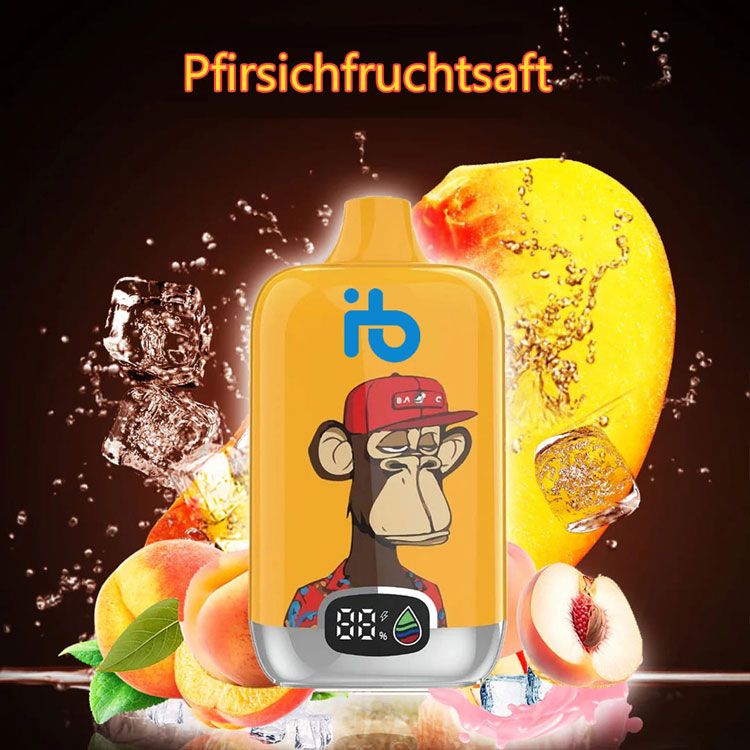
Often, e-cigarette liquids contain flavorings that mimic various tastes, from fruits and sweets to tobacco-like flavors, designed to enhance user experience. While these e-liquids are generally considered safe for ingestion, the impact of inhalation is still a subject of ongoing research.
Propylene glycol and vegetable glycerin are commonly used base compounds, both approved by food and drug authorities for consumption yet their effects on the lungs and respiratory system over time are not fully determined.
Generally, the absence of tobacco does not conclusively say that e-cigarettes are free of health concerns; rather, they carry their own set of challenges and potentials for misuse. Those considering switching from traditional tobacco products to vaping should weigh these factors carefully.
- Are e-cigarettes safer than traditional cigarettes?
There’s a consensus among some health professionals that e-cigarettes might be less harmful due to the absence of combustion and tar. However, the presence of nicotine and other chemical components implies that safety is conditional and long-term effects need further study. - What are the main components of e-liquid?
E-liquid typically consists of nicotine extracted from tobacco, propylene glycol, vegetable glycerin, and flavorings. While food-grade, the safety of inhaling these substances is continually researched. - Can e-cigarettes help quit smoking?
Some users report success in quitting smoking using e-cigarettes as a stepping stone; however, nicotine addiction remains a risk, and individual results vary.