E-cigarettes, commonly known as vapes, have been a topic of intense debate and regulatory scrutiny. As public awareness grows over their use, many people find themselves pondering the question, “are all e-cigarettes banned?” To answer this, it is crucial to explore the legal landscape surrounding e-cigarettes globally, while delving into health implications, regulatory policies, and social impacts.

Understanding E-Cigarettes
E-cigarettes are electronic devices that heat a liquid containing nicotine, flavorings, and other chemicals to produce vapor. Over the past decade, they have gained traction as an alternative to traditional cigarettes, claiming to offer a safer, smokeless experience. However, their rise in popularity has led to increased scrutiny from governments and health organizations worldwide.
Global Regulatory Landscape

The regulatory stance on e-cigarettes varies greatly across different regions. Europe has generally adopted a structured approach to e-cigarette regulation, largely catering to harm reduction while imposing certain restrictions regarding marketing and sales to minors. Countries like the UK encourage adults to switch to vaping as a less harmful alternative to smoking conventional cigarettes.
Asia presents a more complex picture. Nations such as Japan and South Korea permit e-cigarettes but enforce strict regulations on their sale and distribution. Conversely, countries such as India have implemented an outright ban, citing health concerns and rampant addiction among youth.
The United States Scenario
In the United States, regulations around e-cigarettes are framed by the FDA, which exercises authority over tobacco products under the Tobacco Control Act. While e-cigarettes are legal, manufacturers must adhere to stringent guidelines regarding product approval and marketing practices. Several states and local jurisdictions have further tightened these rules, implementing bans on flavored e-liquids to curb youth appeal. Despite these efforts, e-cigarette usage remains a contentious public health issue, especially among teenagers.
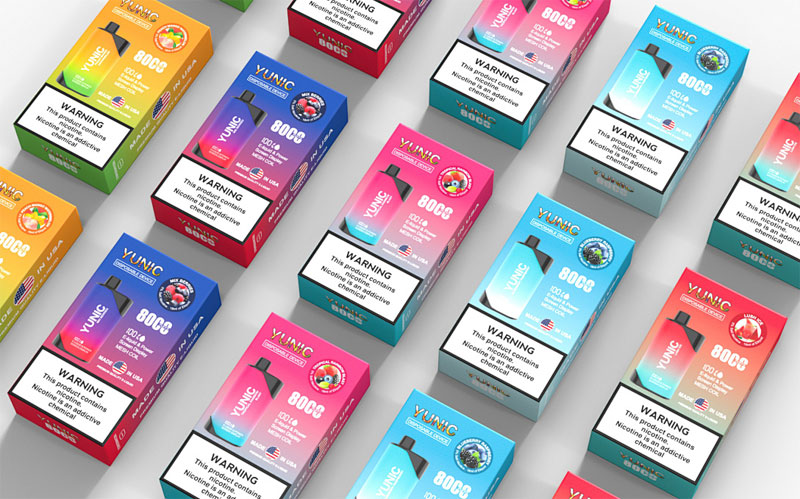
Why Are E-Cigarettes Banned in Some Countries?
The decision to ban e-cigarettes is often driven by public health concerns. Research studies have suggested that while e-cigarettes offer a potential reduction in harm compared to traditional smoking, they still pose health risks due to nicotine addiction and exposure to harmful chemicals. Governments in countries like Brazil, Thailand, and Singapore have chosen to enact bans as a precautionary measure to protect public health and prevent nicotine addiction among younger populations.
Implications of E-Cigarette Bans
Banning e-cigarettes can have a multifaceted impact. While it may protect vulnerable groups from potential health risks, it also overlooks the harm reduction potential. For current smokers looking to transition away from combustible cigarettes, e-cigarettes present a viable alternative. Restricting access could inadvertently lead to a loss of opportunities for smokers seeking less harmful options.
Future Trends
Moving forward, it seems plausible that regulations will continue to evolve, likely focusing on creating a balanced approach to meet the interests of public health groups, consumers, and manufacturers. The successful integration of e-cigarette use with comprehensive tobacco control frameworks could pave the way for its acceptance as a legitimate tool for smoking cessation, provided rigorous safety standards are enforced.
Frequently Asked Questions
Q: Are e-cigarettes effective for quitting smoking?
E-cigarettes can assist some smokers in quitting, but success rates vary. Combining vaping with behavioral support increases the likelihood of quitting successfully.
Q: What are the health risks associated with e-cigarettes?
While e-cigarettes are less harmful than traditional smoking, they still carry risks such as nicotine addiction and exposure to toxic substances, warranting cautious use.
Q: How do bans impact the e-cigarette industry?
Bans can shrink market sales and stifle innovation, but they also prompt industry players to improve product safety and reduce youth appeal, leading to refined regulatory practices.