As we approach January 2024, the regulatory landscape for e-cigarettes in Morocco is poised for significant changes. This pivotal shift in policy aims to address health concerns and streamline the legal framework regarding the use and sale of e-cigarettes. The Moroccan government has been progressively aligning its policies with global standards, recognizing the need to regulate these products effectively.
Understanding the New E-Cigarette Regulation in Morocco
The impending changes in e-cigarette regulation in Morocco are driven by multiple factors. Chief among them is the health impact on users, particularly given the rising popularity of vaping among young people. The new regulations seek to curtail the accessibility of e-cigarettes to minors and introduce stricter guidelines for the marketing and distribution of these products.
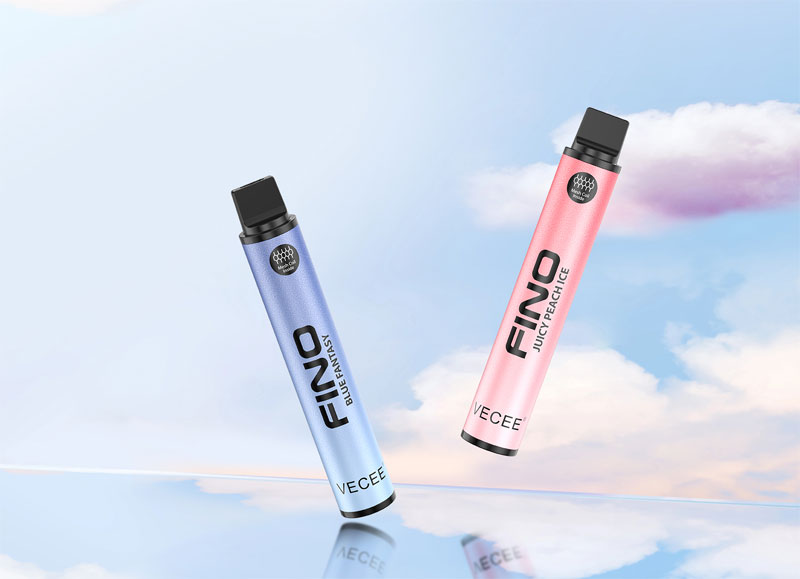
In alignment with global health practices, Morocco’s regulatory framework will likely include restrictions on advertising, mandatory health warnings on packaging, and a cap on nicotine content in e-liquids.
The Impact of Regulations on Consumers and Businesses
For consumers, these regulations promise a level of protection against the potential health risks associated with unregulated e-cigarette products. These protective measures also aim to reduce the allure of vaping to non-smokers, especially the youth. For businesses, compliance with the new regulations may involve adjustments in their operations, from reformulating e-liquids to incorporating specific labeling protocols.
- E-cigarette sales will be monitored more closely, with sales points being required to implement age verification processes.
- Businesses may need to invest in redesigning their product packaging to comply with new health warnings and ingredient listings.
The Role of Public Awareness Campaigns
In rolling out these regulations, the Moroccan government is anticipated to launch public awareness campaigns. These campaigns are crucial in educating the population about the risks and regulations associated with e-cigarettes. Additionally, they serve to inform consumers about healthier alternatives and cessation support for those looking to quit vaping.
Comparative Global Perspectives
It is worth noting that Morocco’s approach aligns with a broader trend seen in several countries globally. Nations like the United Kingdom and Australia have implemented rigorous e-cigarette regulations, focusing heavily on health warnings and restricting sales to minors. By embracing such policies, Morocco joins a global movement prioritizing public health over corporate interests in the vaping industry.
This regulatory shift also reflects recommendations from international health organizations that advocate for e-cigarette regulations to mitigate potential harm. Such international alignment is essential in ensuring that health regulations are both effective and universally acknowledged.
What the Future Holds for E-cigarette Regulation in Morocco
The implementation of these new regulations in January 2024 marks the beginning of a more organized and health-conscious era in Morocco’s approach to e-cigarettes. Looking ahead, continuous evaluation and adjustments may be necessary as further research on e-cigarette impacts becomes available. The government’s commitment to public health and safety will likely drive ongoing regulatory adjustments to reflect the latest scientific findings and public health recommendations.

Frequently Asked Questions
Will e-cigarettes still be available for purchase in Morocco?
Yes, e-cigarettes will remain available, but under stricter regulations aimed at ensuring consumer safety and preventing sales to minors.
How will these regulations affect current e-cigarette users?
Current users may see changes in product availability and packaging. They will also benefit from increased safety measures and potentially healthier formulations.
What steps should businesses take to comply with the new regulations?
Businesses should review the specifics of the regulation to ensure compliance, which may include altering marketing strategies, implementing age verification systems, and revising product formulations.