In recent years, e-cigarettes have emerged as a significant alternative to traditional tobacco cigarettes. Both formats offer nicotine, a key component sought by smokers and vapers alike. However, their similarities and differences can significantly impact user experience and health outcomes.
What are E-Cigarettes and Tobacco Cigarettes?
Tobacco cigarettes consist of dried tobacco leaves rolled in paper, often containing numerous additives that augment flavor, burn rate, and overall physical sensation. Inhaling combusted tobacco smoke provides nicotine, but also introduces tar and thousands of other chemicals to the lungs. On the other hand, e-cigarettes are battery-powered devices that heat a liquid, commonly called e-liquid or vape juice, to create a vapor. These e-liquids usually contain nicotine, propylene glycol, vegetable glycerin, and flavorings. The lack of combustion means e-cigarettes often deliver fewer toxicants compared to their combustible counterparts.
Nicotine Delivery
Tobacco cigarettes and e-cigarettes cater to nicotine cravings, a primary factor for their usage. When a person smokes a tobacco cigarette, nicotine is absorbed via the lungs and rapidly transmitted to the brain, creating an immediate and noticeable effect. Similarly, e-cigarettes deliver nicotine as the user inhales vapor into their lungs. The level of nicotine delivered can be adjusted by selecting varying concentrations of nicotine in e-liquids, although it may still differ from the rapid spikes caused by traditional smoking.
Habit and Ritual
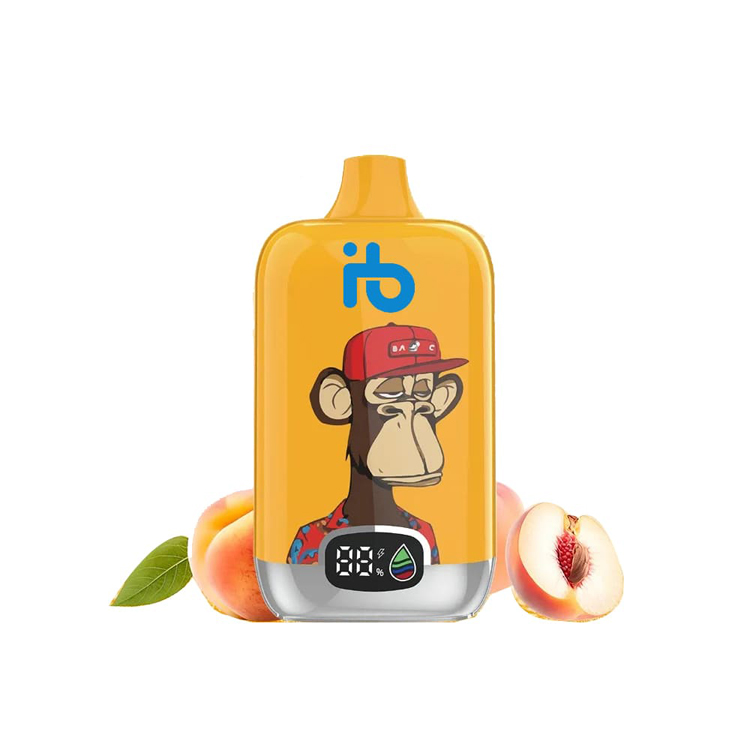
Both e-cigarettes and tobacco cigarettes involve habitual rituals that appeal to users. For smokers, the ritual involves lighting a cigarette, the tactile sensation of holding it, and the act of smoking itself. E-cigarette users engage in similar actions but with variations – they charge their devices, fill tanks with e-liquid, or replace cartridges.
The Role of Flavor
Flavors play a pivotal role in distinguishing e-cigarettes from tobacco cigarettes. Traditional cigarettes primarily have a consistent tobacco flavor, sometimes enhanced with menthol or other subtle additives. In contrast, e-liquids offer a kaleidoscope of flavors ranging from classic tobacco to exotic fruits and decadent desserts. This variety can enhance the vaping experience and attract different demographics, especially those looking to quit smoking.
Health Considerations
While neither e-cigarettes nor tobacco cigarettes are entirely safe, there is a broader consensus that e-cigarettes might pose a reduced risk profile compared to traditional smoking. Public Health England and other health organizations have suggested that e-cigarettes are approximately 95% less harmful due to the absence of tar and a significant reduction in toxic chemical emissions. However, the long-term health effects of e-cigarettes are still being studied.
Social and Economic Aspects
E-cigarettes are increasingly regarded as a socially acceptable alternative to smoking, with many restrictions on public smoking excluding vape use. Economically, e-cigarettes can be more cost-effective over time, given the iteration and reusability of devices, though initial setup costs might be higher.
Regulation and Accessibility
The regulatory landscape for e-cigarettes is rapidly evolving. Many countries have stringent controls over the marketing, sale, and use of e-cigarettes similar to tobacco products, reflecting the ongoing debate about their safety and efficacy as a cessation tool.
Conclusion
Understanding the similarities between e-cigarettes and tobacco cigarettes helps users make better-informed decisions regarding their health and lifestyle. Both offer nicotine satisfaction, yet they diverge in health impacts, social acceptance, and user experience. As research continues, more insights will empower users to navigate the nuanced landscape of nicotine consumption.
FAQs
Q: Are e-cigarettes completely safe?
A: While generally considered less harmful than tobacco cigarettes, e-cigarettes are not without risks, particularly to young users and pregnant women. Long-term effects are not yet fully understood.
Q: Can e-cigarettes help quit smoking?
A: Many users have successfully quit smoking with e-cigarettes, but effectiveness can depend on personal commitment and behavioral support. It’s recommended to combine them with approved smoking cessation methods.

Q: Do e-cigarettes produce secondhand smoke?
A: E-cigarettes produce vapor, not smoke. While it contains fewer toxins, it is still important to consider exposure levels in public and private settings.