E-cigarettes and e-liquids have been surrounded by myths since their first introduction into the market. Today, we’ll dive into these misconceptions and shed light on the truth behind these popular vaping products. To fully understand e-cigarettes, it’s essential to differentiate between myths and facts, ensuring consumers make informed decisions. One common myth is that e-cigarettes produce the same harmful effects as traditional tobacco smoking. While both involve inhalation, the composition of the smoke differs significantly. E-liquids generally contain fewer harmful chemicals compared to cigarettes. It’s crucial to note the reduced presence of toxic substances in e-liquids, like tar and other carcinogens found in regular cigarettes. Yet, e-liquids aren’t entirely benign; they contain nicotine, which is addictive and can affect developing brains, particularly in youth.
Another prevailing myth is the idea that e-cigarettes help in quitting smoking simply because they are an alternative to traditional cigarettes. While some smokers have transitioned successfully to using e-cigarettes, leading eventually to cessation, evidence on the effectiveness of e-cigarettes as a cessation tool is mixed. For many users, vaping becomes a replacement habit rather than a complete solution. It’s advised to combine e-cigarettes with other cessation strategies for optimal success. Additionally, the flavors and nicotine levels can often lead to unintentional overconsumption, posing risks of nicotine dependency.
Another prevailing myth is the idea that e-cigarettes help in quitting smoking simply because they are an alternative to traditional cigarettes. While some smokers have transitioned successfully to using e-cigarettes, leading eventually to cessation, evidence on the effectiveness of e-cigarettes as a cessation tool is mixed. For many users, vaping becomes a replacement habit rather than a complete solution. It’s advised to combine e-cigarettes with other cessation strategies for optimal success. Additionally, the flavors and nicotine levels can often lead to unintentional overconsumption, posing risks of nicotine dependency.
There is also misinformation regarding the safety of second-hand vapor. While studies have shown vapor contains fewer harmful chemicals than second-hand smoke, it still presents potential hazards, especially in enclosed spaces. It’s not entirely risk-free, and more research is needed to fully understand its long-term effects on bystanders.
Moreover, many believe that all e-liquids are created equal, but there is significant variation in quality and composition among products. It’s important for consumers to purchase e-liquids from reputable brands and check for certifications to ensure they aren’t consuming harmful additives. It’s a misconception that homemade e-liquids are always safer, as they can introduce impurities if not correctly formulated under controlled conditions.
Moreover, many believe that all e-liquids are created equal, but there is significant variation in quality and composition among products. It’s important for consumers to purchase e-liquids from reputable brands and check for certifications to ensure they aren’t consuming harmful additives. It’s a misconception that homemade e-liquids are always safer, as they can introduce impurities if not correctly formulated under controlled conditions.
Now, addressing the notion that vaping a nicotine-free e-liquid is entirely safe; even nicotine-free e-liquids can contain other potentially harmful substances. Therefore, caution is recommended, and it’s vital to stay informed about the various components within these products.
Below are some frequently asked questions about e-cigarettes and e-liquids:
- What are the primary ingredients in e-liquids?
 E-liquids typically contain vegetable glycerin, propylene glycol, flavorings, and sometimes nicotine. Checking labels for these components can guide healthier choices.
 - Can e-cigarettes explode? While rare, e-cigarette battery-related incidents have occurred. Users should follow manufacturer instructions on charging and storage to minimize risks.
- Is vaping less harmful than smoking?
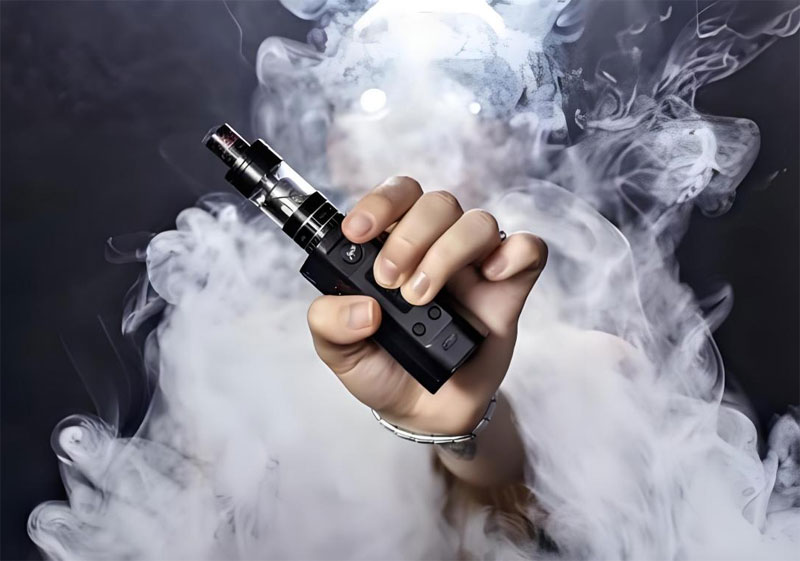 While vaping is generally considered less harmful than smoking, it is not entirely risk-free, especially concerning long-term health effects.

Vaping continues to emerge as a popular alternative, but it’s pivotal for users to remain skeptical of exaggerated safety claims and remain informed about any health implications, real or perceived.