Practical Guide for Choosing a Quality Vaping Experience from a Vape Shop
This comprehensive consumer-focused piece explains how to navigate a modern Vape Shop, understand core ingredients and safety concerns around e-cigarette chemicals, and make informed choices to minimize risks while preserving satisfaction. The goal is to equip readers with clear, evidence-informed sections that are easy to scan: what a reputable retailer should offer, how to read labels, what to ask about product testing, and how to reduce exposure to harmful byproducts formed when e-cigarette chemicals are heated. Use these notes when you visit a local store, browse online, or evaluate advertised claims in marketing copy.
What to expect when you walk into a reputable Vape Shop
Reputable shops provide transparent information on product origin, batch testing, and device compatibility. Look for staff who can compare nicotine strengths, explain coil materials, and discuss the roles of propylene glycol (PG) and vegetable glycerin (VG) — two of the most common carriers in e-liquids. A trustworthy Vape Shop will point out whether flavor concentrates are pharmaceutical-grade or food-grade, whether nicotine is derived from tobacco or synthetic sources, and whether the shop can provide Certificates of Analysis (COAs) for major ingredients and lab testing for contaminants.
Product categories you will find
- Starter kits and mouth-to-lung devices suitable for new users.
- Pod systems with prefilled cartridges or refillable pods.
- Sub-ohm tanks and mods for experienced vapers seeking more vapor production.
- Nicotine salts for smoother nicotine delivery at higher concentrations.
- Unflavored base liquids and flavor concentrate concentrates for DIY mixing.
Each category has distinct implications for exposure to e-cigarette chemicals and for device temperature profiles that influence thermal decomposition and aerosol formation.
Understanding core ingredients and common e-cigarette chemicals
To reduce risk, you need to know what typically appears in e-liquids and in aerosols produced by devices. The primary components are nicotine, PG, VG, flavorings, and sometimes water or alcohol. Additionally, devices introduce considerations such as coil metal composition (e.g., kanthal, nichrome, stainless steel), wicking materials (cotton, silica, ceramic), and battery performance. When heated, benign ingredients can produce new compounds; for example, glycerin and propylene glycol can break down into aldehydes such as formaldehyde and acetaldehyde at high temperatures. Well-run Vape Shop staff should explain how airflow, wattage, and coil resistance change thermal profiles and affect the formation of these reaction products.
Key categories of concern in plain language
- Primary carriers: propylene glycol (PG) and vegetable glycerin (VG) — generally considered low-toxicity at low ambient temperatures but can form irritants when overheated.
- Nicotine: An addictive alkaloid with dose-dependent cardiovascular effects; available in freebase or salt forms.
- Flavorings: Thousands of food-grade flavor compounds exist; many are safe to ingest but not well-studied for inhalation. Diacetyl and acetyl propionyl are flavoring compounds historically linked to severe lung disease in occupational exposures and should be avoided in inhalation products.
- Contaminants and impurities: Heavy metals, pesticide residues, and solvent residues may appear from poor manufacturing or contaminated nicotine sources.
By understanding these categories, consumers can ask targeted questions at the point of sale and look for lab-backed assurances regarding the absence of certain high-risk agents. A label or product page that lists batch test numbers and links to third-party COAs is a positive signal from a trustworthy Vape Shop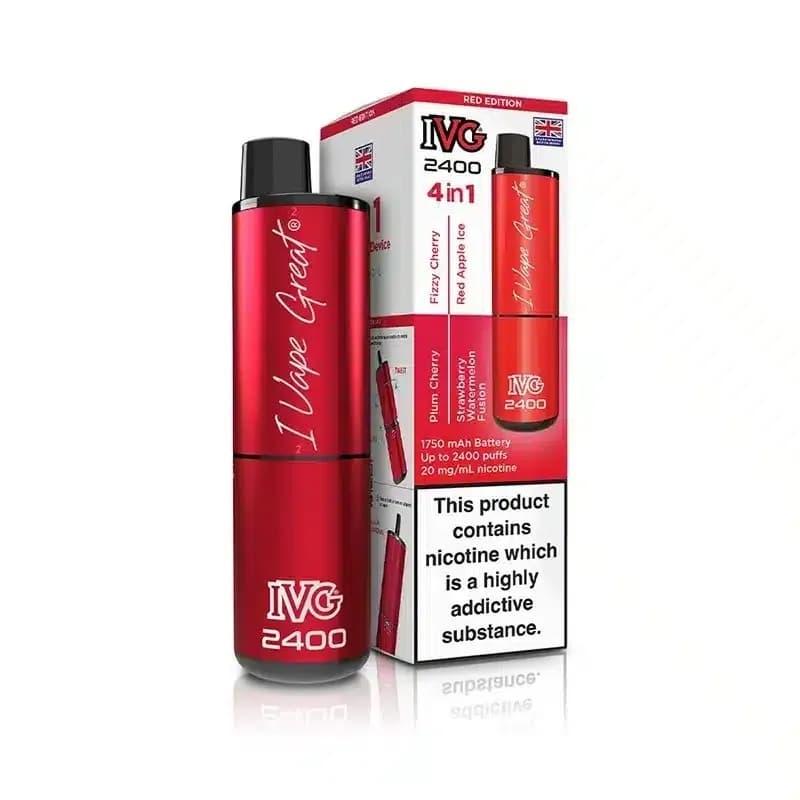 .
.
How device choices influence exposure to thermal byproducts
Device design matters. Low-power pod systems usually operate at lower coil temperatures and produce less thermal degradation, whereas powerful sub-ohm devices reach higher coil temperatures and can form more oxidation products and carbonyls from e-cigarette chemicals. Coil material can influence metal release into aerosol: stainless steel and nickel-chromium alloys may leach trace metals over time if corrosion or overheating occurs. Ask a knowledgeable retailer which coil types and wattage ranges are recommended for specific e-liquids and which coils have been third-party tested.
Label literacy and what safe product documentation looks like
Key label and documentation elements to check at a Vape Shop include: ingredient lists with percentages where available, nicotine concentration clearly stated in mg/mL, batch or lot numbers, manufacturing date, expiration date, and a QR code or URL linking to a COA. COAs from accredited laboratories should show testing for nicotine strength verification, solvent residues, key contaminants (heavy metals, TSNAs), and microbiological contamination. When COAs are not provided, exercise extra caution and prefer brands that publish transparent analytics.
Tips for minimizing exposure to unwanted byproducts
Practical steps to reduce risk include the following: choose devices that operate at lower temperatures consistent with manufacturer recommendations; avoid “dry hits” that occur when wick material is insufficiently saturated; use e-liquids formulated for your device’s power range; replace coils and wicks regularly to minimize degraded material; and favor products with documented testing for contaminants. Additionally, selecting simpler formulations — fewer exotic flavoring chemicals — may reduce the number of unknown inhalation hazards.
Nicotine options and dose management
Nicotine is present in many e-liquids and can be delivered as freebase nicotine or nicotine salts. Nicotine salts often allow higher concentrations with a smoother throat hit. Consumers switching from combustible cigarettes may benefit from nicotine profiles that match their previous intake to avoid relapse. However, always select nicotine levels that align with your nicotine replacement goals, and seek professional advice when trying to quit nicotine entirely. A reliable Vape Shop will discuss titration strategies and recommend starting points rather than pushing the highest-strength products.
Flavor safety: what the evidence says
While most flavoring agents are judged safe for ingestion, inhalation is a different biological route and less well-studied. Compounds such as diacetyl and acetyl propionyl were once used to impart buttery notes and have been associated with bronchiolitis obliterans (“popcorn lung”) in specific industrial settings. Responsible brands now avoid these chemicals for inhalation uses. When shopping, ask if a product is free from known hazardous flavoring agents and whether the flavors have inhalation toxicology data. A transparent Vape Shop will either provide this information or steer you to alternatives with better-documented safety profiles.
Interpreting test results and Certificates of Analysis (COAs)
COAs should come from accredited third-party labs and list methods used, such as GC-MS for volatile compounds and ICP-MS for metals. Pay attention to detection limits and whether the COA reports results for the following: nicotine concentration accuracy, residual solvents (e.g., ethanol, butane), metal concentrations in e-liquids and aerosols, and the presence of carbonyls after aerosolization. If a COA only analyzes the e-liquid but not the aerosol, ask whether the manufacturer has conducted emissions testing under relevant device conditions.
Regulatory landscape and labeling standards
Regulations vary by jurisdiction and influence product availability in shops. In many places, oversight is increasing, pushing manufacturers and stores to improve transparency about e-cigarette chemicals. A reputable Vape Shop will comply with local age-verification rules, safely store nicotine-containing liquids, and provide consumer education materials. Stay up to date on local rules because they affect how products are manufactured, tested, and distributed.
Practical consumer checklist before you buy
- Check age verification and legal compliance at the retailer.
- Request COAs and verify lab accreditation.
- Ask about the source and grade of nicotine and flavorings.
- Confirm recommended wattage ranges and coil types for any e-liquid-device pairing.
- Prefer sealed packages and tamper-evident designs for prefilled cartridges.
- Choose straightforward formulations with fewer unknown additives.
Maintenance, storage, and disposal
Good maintenance reduces exposure and extends device life. Replace coils regularly per manufacturer recommendations, store e-liquids in cool dark places away from children and pets, and dispose of batteries and cartridges at designated recycling points to limit environmental contamination. Used cartridges and batteries contain materials that can leach into the environment if placed in ordinary waste streams.
Common myths and evidence-based clarifications
Myth: All e-liquids are safe because they are food-grade. Clarification: Food-grade designation does not guarantee safety for inhalation. Myth: Higher power always means better flavor. Clarification: Excessive power can produce burned tastes and more harmful thermal degradation products from e-cigarette chemicals. Myth: If a product is sold in a Vape Shop, it has been fully vetted. Clarification: Retail presence does not ensure rigorous testing — always ask about COAs and manufacturing standards.
Strategies for harm reduction if you choose to vape
Harm reduction centers on choosing lower-temperature devices, verified products, and evidence-informed behaviors like gradual nicotine reduction and not modifying devices beyond manufacturer recommendations. Keep regular contact with healthcare providers if you have respiratory or cardiovascular conditions, as these can influence risk profiles related to inhaled aerosols derived from e-cigarette chemicals.
Buying online vs. buying at a brick-and-mortar Vape Shop
Online stores offer selection and often lower prices, but they can obfuscate origin and testing information. Brick-and-mortar shops allow direct questions and often provide immediate after-sales support; however, quality varies. Whether you shop in-store or online, insist on COAs and clear labeling, and prefer vendors who will respond to questions about ingredients and emissions testing.
Signs of quality manufacturing
Brands following good manufacturing practices (GMP), performing routine stability testing, and conducting aerosol emissions analyses are more likely to produce consistent and safer products. Also look for brands that reformulate when evidence indicates certain additives pose inhalation risks; reputable manufacturers are proactive in updating ingredient policies.
How to discuss safety concerns with store staff
Ask direct, specific questions: “Can I see a COA for this lot?” “Has this flavorant been tested for inhalation?” “Which coil material is recommended for this e-liquid and wattage?” Clear, non-confrontational queries will reveal whether staff are knowledgeable and whether the store values transparency about e-cigarette chemicals. If staff cannot answer, consider seeking another retailer or contacting the manufacturer.
DIY mixing: what to avoid and best practices
DIY (do-it-yourself) mixing can offer cost savings and customization, but it requires careful handling of concentrated nicotine and precise measurement of PG/VG and flavor concentrates. Avoid using flavors that are only rated for oral consumption without inhalation data. Always use calibrated syringes or scales, wear protective gloves when handling high-concentration nicotine, and store pre-mixes safely. Consider taking a basic chemistry-aware course or following reputable community resources to minimize mistakes.
Emerging science: what to watch for
Research continues on chronic respiratory effects, cardiovascular impacts, and the long-term inhalation toxicity of some flavoring agents. Monitor peer-reviewed studies that measure aerosol composition under realistic use conditions. Regulatory agencies and independent labs periodically release findings about specific e-cigarette chemicals and device emissions that can inform safer consumer choices. Trustworthy vendors will update product lines in response to robust new evidence.
Summary: practical takeaways for consumers
When selecting products from any Vape Shop, prioritize transparency, documented testing, and devices that match your intended power range. Understand the main components of e-liquids and how device conditions can change the chemistry of what you inhale. Adopt device maintenance and storage habits that minimize degradation, and favor products with fewer unknown additives. If quitting nicotine is the goal, discuss FDA-approved cessation supports in addition to product choices that can help reduce dependence.
When to seek medical advice
If you experience persistent cough, shortness of breath, chest pain, or other unexplained respiratory symptoms after starting or changing vaping products, discontinue use and consult a healthcare provider. Provide product names, nicotine concentrations, and any batch codes if available — this helps clinicians and public-health investigators identify potential product-related harms.
Final consumer checklist before purchase
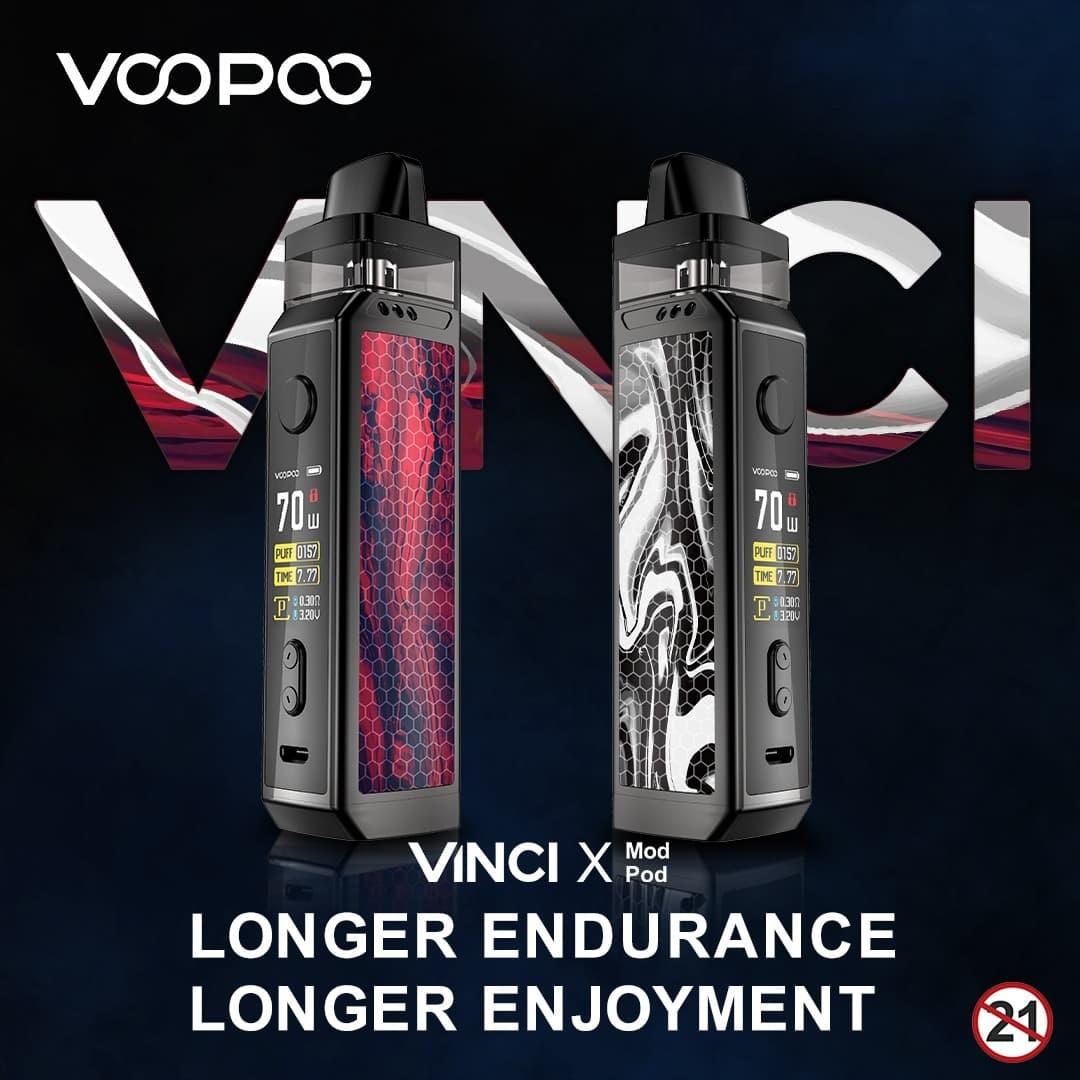
Do a quick pre-purchase audit: check COAs, verify nicotine and ingredient listings, confirm recommended device settings, prefer fewer and more standard flavoring agents, and buy from sellers who answer specific safety questions. These steps help reduce exposure to problematic byproducts that can form from heated e-cigarette chemicals.
Note: This guide summarizes practical considerations and evidence-informed suggestions regarding product selection, label reading, and safer practices around devices and liquids commonly sold in a modern Vape Shop. It is not medical advice; consult healthcare professionals for personalized recommendations.
Below is a short frequently asked questions section to address common consumer queries about product safety and testing:
FAQ
- Q: How often should I replace coils and wicks?
- A: Replace coils and wicks per manufacturer guidance or when flavor deteriorates, vapor production drops, or you detect off tastes — typically weekly to monthly depending on use.
- Q: Are all flavors safe to inhale?
- A: No. Many flavoring agents are safe for ingestion but lack inhalation data. Avoid flavors that include known hazardous inhalation agents and prefer products that publish safety testing.
- Q: What lab results should I prioritize on a COA?
- A: Prioritize testing for nicotine concentration verification, residual solvents, heavy metals, and emissions testing for carbonyls if available. Verify the lab accreditation status as well.
- Q: Can the same e-liquid be safer in one device versus another?
- A: Yes. Device power, coil resistance, and airflow change the temperature profile and aerosol chemistry; the same liquid used at excessive power can produce more harmful thermal byproducts.
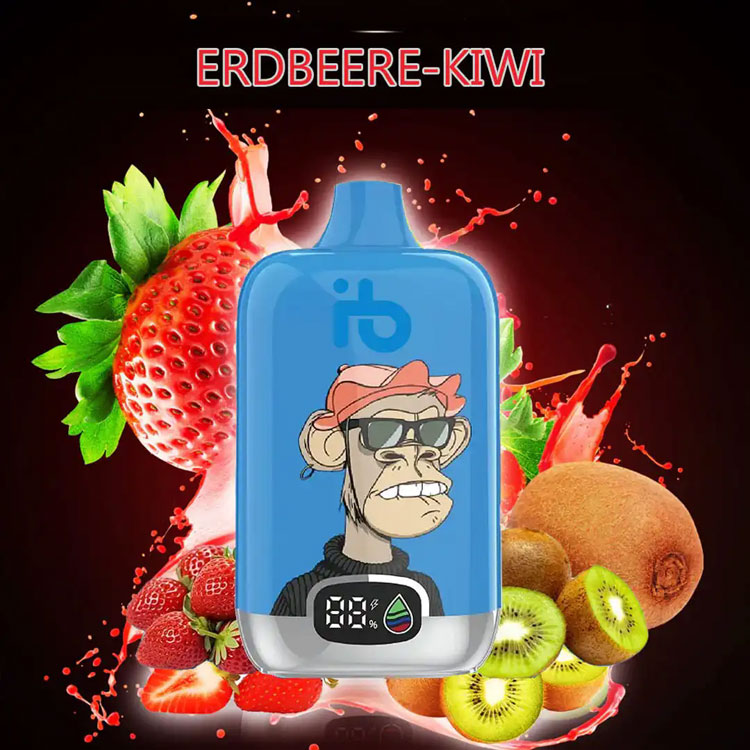
Use the checklist above, ask critical questions at point of sale, and prefer transparent brands and verified retailers to reduce harm when engaging with vaping products and navigating choices at your local or online Vape Shop. Understanding the behavior of e-cigarette chemicals under different conditions empowers better decisions and safer practices.