Smart travel tips for devices: an updated guide for modern travelers
Traveling with vaping equipment has become a common concern for many passengers. Whether you call them e-cigarety, vape pens, e-cigarettes, or electronic nicotine delivery systems (ENDS), preparing for security checks, airline rules, and local regulations is essential. This guide explains practical packing strategies, safety considerations, and the frequently asked question: can you put electronic cigarettes in checked luggage? It also offers alternatives, troubleshooting advice, and etiquette tips so you can travel confidently and legally.
Why packing matters: safety, legality, and convenience
Lithium batteries power most e-cigarety and related devices. These batteries can pose fire risks if damaged, shorted, or improperly stored. Security agencies and airlines therefore have strict controls. Beyond safety, local laws vary widely: some countries ban nicotine liquids, others allow them with limits, and a few restrict flavors or devices. Planning ahead saves time at the checkpoint and prevents confiscation or fines.
Core rules: checked luggage vs carry-on for vaping devices
One of the most common queries is the practical and regulatory question: can you put electronic cigarettes in checked luggage? The short, rule-based answer most airports and carriers give is: no, you should not pack your primary devices or spare lithium batteries in checked baggage. Instead, pack them in carry-on baggage. This approach aligns with guidance from aviation authorities because in a fire event crew can access and manage a problem in the cabin more readily than in a cargo hold.
Understanding the official stance
Many national aviation regulators, airline safety departments, and security agencies publish similar rules: e-cigarette devices and spare batteries are forbidden in checked luggage and must be transported in carry-on only. Some airlines additionally prohibit the use of e-cigarette charging or refilling in-flight. You will often see this policy summarized as: devices and batteries in hand luggage; e-liquids subject to liquid restrictions; chargers and pods in carry-on.
Battery-specific guidance
Most rules hinge on lithium-ion battery capacity. For example, many carriers allow lithium-ion batteries under a certain watt-hour (Wh) rating in checked or carry-on with restrictions, but batteries above a set Wh often require airline approval. e-cigarety devices typically have integrated batteries well within allowed limits, but removable batteries and spare packs can be treated differently. Always remove spare batteries from devices, protect battery terminals (tape over contacts or use original packaging), and keep them in your carry-on.
Practical packing checklist
- Primary devices in carry-on: Keep your main e-cigarety or pod mod on your person or in cabin luggage, not in checked bags.
- Spare batteries safe and visible: Place spare batteries in battery cases or protective sleeves and carry them in the cabin.
- Liquids comply with 3-1-1: For most international and domestic flights, e-liquids must meet carry-on liquid restrictions (e.g., bottles under 100 ml and placed in a clear quart-sized bag).
- Chargers and accessories: Power banks and chargers also often belong in carry-on. Power banks may have their own watt-hour limits.
- Documentation: Bring device manuals, battery ratings, and if necessary, receipts or manufacturer labels showing battery specs to clarify potential disputes at check-in or security.
Before you leave: research airline and destination rules
Airlines adopt slightly varied policies. Some carriers ban vaping devices entirely from both carry-on and checked bags — particularly regional or domestic budget airlines. International carriers might enforce stricter e-liquid limits. Also review destination laws: some countries impose severe penalties for possession or import of certain nicotine products. This research can be done on airline websites, official civil aviation authority pages, or government travel advisories. When in doubt, contact the airline directly so there is an official record of your inquiry.
Handling long flights and layovers
For long-haul travelers, pack for convenience and redundancy: extra e-liquid bottles in allowed sizes, cleaning tools, and sealed bags for used pods. Keep supplies you might need mid-trip in your carry-on. If you have a long layover and check a bag overnight or transfer between airports, be mindful that checked luggage may be inaccessible to you during that period — and you still should avoid placing devices or spare batteries in the hold.
Security screening: what to expect
At security, device removal from bags is sometimes required. Transparent storage of liquid containers speeds the process. Security personnel may swab devices for traces of prohibited substances during advanced screening. If your device looks modified or shows signs of tampering, be prepared for additional examination. Keep everything visible and packaged: a tidy e-cigarety kit with labeled bottles is less likely to be flagged.
Packing examples and scenario planning
Example A: Short domestic flight with one device and two spare batteries. Pack the device in your carry-on, spare batteries in a protective case in carry-on, and a small bottle of e-liquid under 100 ml in a clear bag in carry-on. Example B: International travel with large mods and juice — examine battery watt-hours, check airline limits, split fluids into smaller containers if needed, and confirm destination legality.
What to avoid packing in checked luggage
To reduce risk and follow most carrier policies, avoid placing these items in checked luggage: built or spare lithium batteries, activated devices, large quantities of nicotine liquid exceeding local limits, and unprotected batteries. Fire risk and regulatory non-compliance are common reasons for confiscation.
On-the-ground rules and local restrictions
Beyond airport rules, national and local regulations often restrict sales, flavors, or use of vaping devices. Some places only allow nicotine-free e-liquids, and others mandate plain packaging. Customs officers may treat large volumes of e-liquid as import items requiring declaration. When traveling abroad, read the customs guidance for the country you are visiting — many official tourism pages highlight whether visitors can bring nicotine products and in what amounts.
Rental cars, hotels, and local etiquette
Hotels and rental properties may ban indoor vaping. Respect “no smoking/vaping” signs to avoid fines or damage charges. If you must vape outdoors, choose safe, ventilated areas and dispose of used cartridges and batteries responsibly. Never leave batteries exposed to high temperatures (e.g., parked cars in summer) — heat can increase the risk of failure.
Safety practices and maintenance on the go
Maintaining your device during travel reduces leaks, misfires, and security complications. Clean tanks and mouthpieces, check O-rings and seals, and transport liquids in sealable containers to avoid spills. Carry a small tool kit for coil changes or cleaning. Avoid charging devices overnight or unattended when staying in unfamiliar accommodations, and use manufacturer-approved chargers.
Battery tips for travelers
- Avoid loose batteries in pockets or bags where they can contact metal objects.
- Use plastic battery cases or original packaging.
- Keep battery terminals taped if you lack a case.
- Store batteries at moderate temperatures and avoid humidity.

If something goes wrong: lost, confiscated, or damaged items
If a device is confiscated at security, ask for a written receipt or record. Policies vary: some airports will return items at the gate; others do not. For lost items, file a claim with the airport lost and found. For damaged batteries or devices, document the condition with photos and contact the manufacturer for warranty guidance. Never attempt to repair a battery cell if you are not trained; battery mishandling can be dangerous.
Alternative solutions when restrictions apply
If you cannot bring your usual e-cigarety to a destination, consider alternatives: nicotine replacement therapy (patches, gum), disposable nicotine-free options where legal, or acquiring compliant devices locally if permitted. Buying at the destination can also avoid the need to transport spare batteries across borders.
Packing summary: a quick reference for travelers
- Devices and batteries: carry-on only unless airline allows otherwise with prior approval.
- Liquids: adhere to carry-on liquid policies and customs limits.
- Documentation: keep proof of battery specs and device manuals accessible.
- Local laws: check destination regulations ahead of time.
- Etiquette and property rules: respect hotel, vehicle, and venue bans.
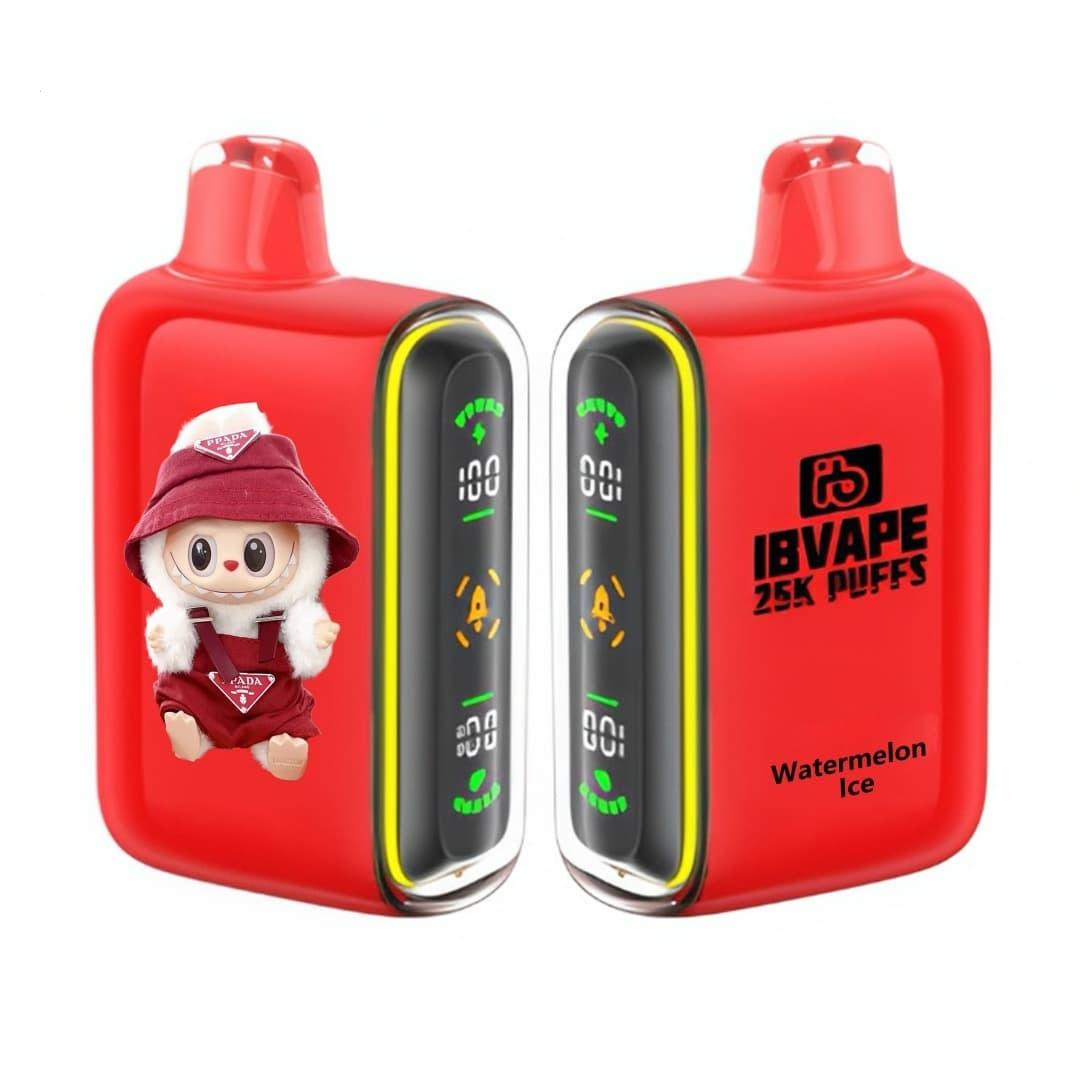
Why the emphasis on carry-on?
Regulators prioritize carry-on because crew can access the cabin and respond quickly to incidents. An unpredictable thermal event is easier to manage where people are present and firefighting equipment is available. This is a core safety rationale behind the guidance that often answers the traveler question: can you put electronic cigarettes in checked luggage — the recommended answer is usually no.
Common misconceptions
Misconception: “My device is empty, so it can go in checked baggage.” Reality: Even empty devices often contain batteries or residual liquids and are best kept in cabin luggage. Misconception: “If I tire of the rules, I can simply mail my device home.” Reality: International mailing of batteries and nicotine liquids is regulated and often restricted; postal carriers may refuse such shipments.
Checklist before boarding
Do a last-minute check: devices powered down, spare batteries secured, liquids under size limits, power banks in carry-on, and legal compliance at the destination verified. Keep a spare clear plastic bag for liquids, and a small toolkit for basic maintenance. Consider a compact, labeled pouch that keeps everything neat and easy to present at security checkpoints.
Etiquette for using devices at airports and in-flight
Most airports and airlines prohibit the use of vaping devices inside terminals and aircraft. Use designated smoking areas where available, and always follow signage and staff instructions. Vaping in non-designated areas risks fines and being asked to leave, and in-flight use is almost universally banned.
Resources and how to stay updated

Regulations change. Stay informed via official sources: airline policy pages, national civil aviation authorities, TSA or equivalent, and destination customs websites. Manufacturer sites also provide battery specifications and travel advice. When planning a trip, check policies again shortly before departure to capture any recent updates.
Final remarks: balance safety with convenience
Traveling successfully with vaping equipment is about preparation, respect for rules, and safety-first packing. Prioritize keeping batteries and devices in the cabin, comply with liquid rules, and research destination laws. These steps typically resolve the central concern many travelers have when they ask can you put electronic cigarettes in checked luggage — the practical recommendation is to keep them with you in carry-on, not checked bags.
Quick takeaways
- Keep e-cigarety devices and spare batteries in carry-on luggage.
- Protect battery terminals and use original packaging when possible.
- Observe liquid size limits and destination regulations.
- Check airline policies ahead of time and retain documentation of battery specs.
FAQ
Q1: Can I check a vape mod with an integrated battery? A1: Most airlines advise keeping any device with a battery in carry-on. Even integrated batteries are safer in the cabin where crew can respond.
Q2: How many spare batteries can I bring? A2: Limits vary by airline; typically a small number of spare batteries with watt-hour ratings within allowed ranges is acceptable in carry-on. Check airline rules.
Q3: Are refillable e-liquids allowed through security? A3: Yes if they meet carry-on liquid restrictions (commonly bottles under 100 ml and placed in a clear resealable bag), but customs limits at destination may apply.