2025 Insider Overview: Flavors, Safety and Smart Starts for Modern Vapers
A practical primer for anyone curious about E-cigareta and electronic cigar devices
This comprehensive guide is designed to walk new users, hobbyists and cautious switchers through everything from choosing the right kit to understanding the most popular taste profiles of 2025. Throughout the text you’ll find clear, actionable advice for safe usage, a breakdown of trending e-liquid notes, maintenance tips that extend device life, and regulatory considerations that matter in different regions.
Why a focused guide matters
The market for E-cigareta and electronic cigar products has evolved rapidly: hardware miniaturization, advanced coil materials, and flavor engineering have made modern devices more efficient and customizable than ever. For newcomers, the variety can be overwhelming — pod systems, mechanical-style mods, temperature control, nicotine salts, freebase nicotine, and the explosion of flavor concentrates. This article aims to reduce confusion and help you make informed, safer choices.
Understanding device categories
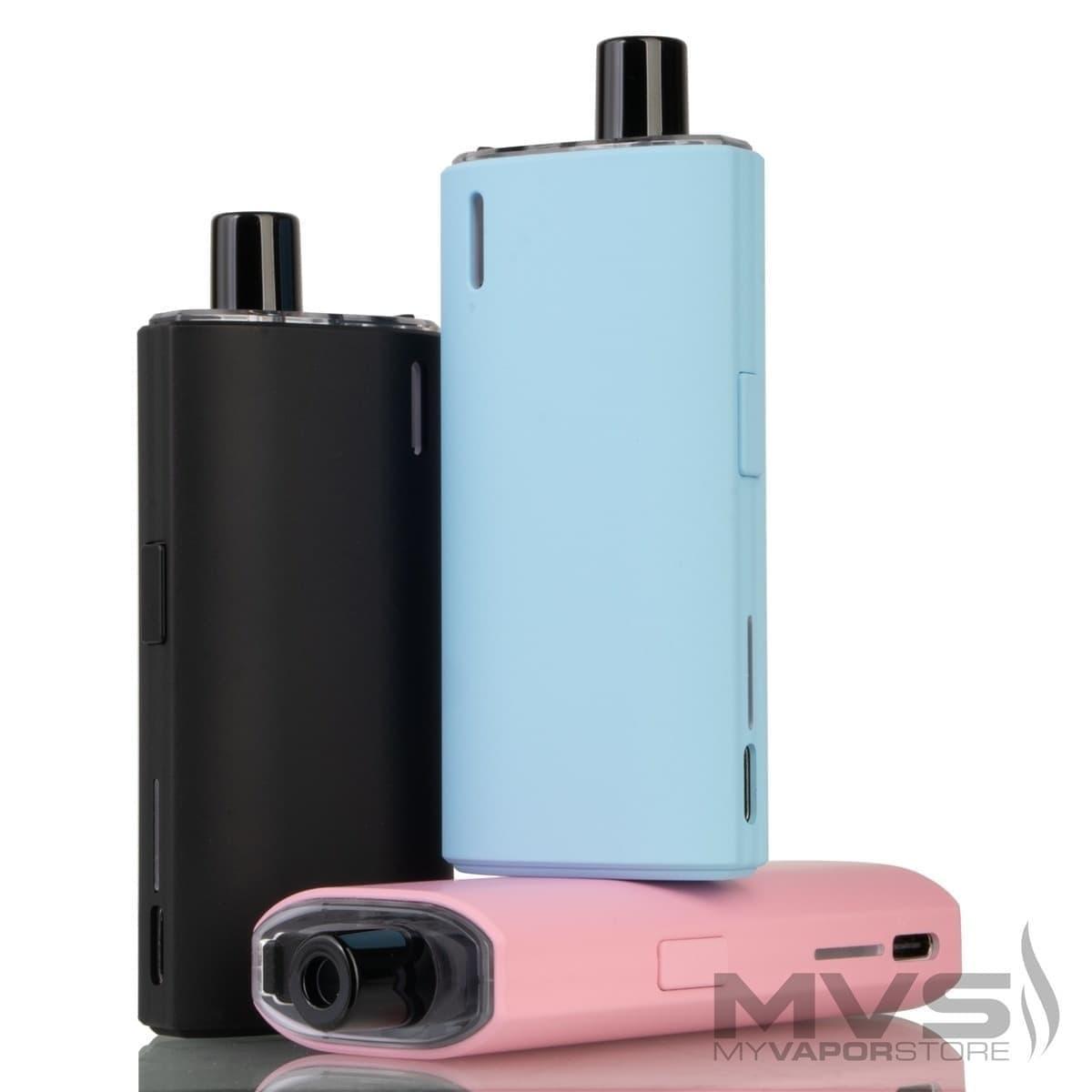
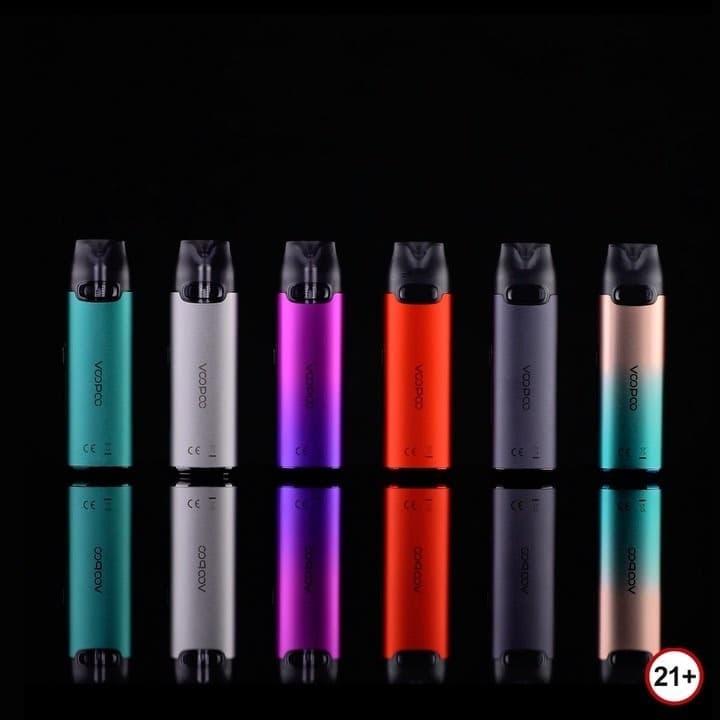
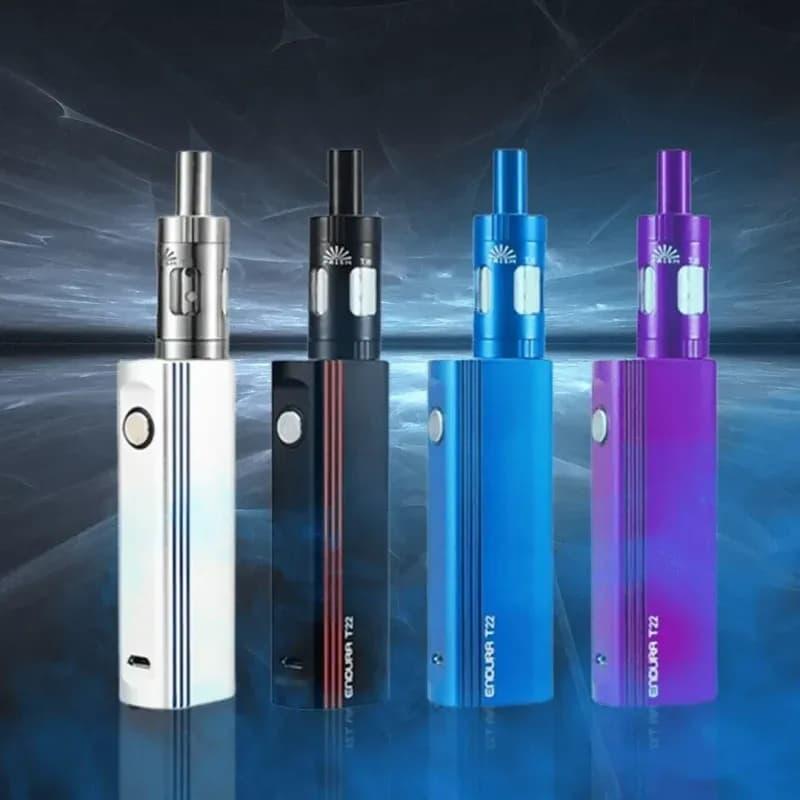
Devices broadly fall into several groups: closed pod systems, refillable pod kits, starter vape pens, regulated box mods, and device-free setups like disposable single-use models. Each category has trade-offs in flavor fidelity, battery life, and customization. For example, a compact pod system often excels with nicotine salt e-liquids while a sub-ohm box mod will deliver more vapor volume and highlight high-VG flavor blends.
Key device features to evaluate
- Battery safety: Look for integrated protections (overcharge, short-circuit, temperature) and prefer regulated devices for beginners.
- Coil options: Standard resistance range, mesh vs. wire, and recommended wattage should match the e-liquid type.
- Capacity and refilling: Pods vs. tanks — pods are convenient; tanks are more economical long-term.
- Materials: Stainless steel, pyrex glass tanks, ceramic coils, and PEEK insulators for high-heat setups.
- Ergonomics and portability: How devices feel in use matters for adoption and daily comfort.
How flavors are categorized in 2025
Flavor technology continues to prioritize authenticity and layered experiences. Popular categories this year include fruit-accented bakery blends, botanical and tea-inspired notes, ultra-purified dessert concentrates, and minimalist tobacco reinterpretations. Manufacturers also experiment with cooling agents and sensory enhancers that change mouthfeel without adding nicotine.
- Fruity & Citrus: Crisp top notes, frequently blended with menthol or cooling esters to keep the finish clean.
- Dessert & Pastry: Vanilla, caramel, and custard bases are now engineered with micro-emulsifiers for smoother throat hit.
- Herbal & Botanical: Tea blends, mint variants, and green notes offer a lighter, refined alternative to heavy sweets.
- Tobacco Reimagined: Light, medium, and full-bodied reinterpretations rely on aged flavor extracts to mimic leaf complexity.
For those new to tasting, start with single-note liquids to learn what you enjoy — then progress to layered blends that complement your palate.
Choosing e-liquids: nicotine, VG/PG ratios and additives
When selecting e-liquids for your E-cigareta or electronic cigar, three technical parameters matter most: nicotine strength and type, vegetable glycerin (VG) to propylene glycol (PG) ratio, and the presence of specialty additives.
- Nicotine type: Nicotine salts deliver a smoother throat hit at higher concentrations and are suited for lower-output devices. Freebase nicotine provides a sharper hit and works well in sub-ohm setups.
- VG/PG balance: High-VG blends create denser clouds and softer throat feel; high-PG blends produce stronger flavor and throat sensation.
- Additives: Cooling agents, sweeteners, and natural extracts enhance complexity but may also increase coil gunk. If maintenance is a priority, opt for simpler formulations.
Flavor pairings and mixing basics
Mixing e-liquids can be fun but requires restraint and safety awareness. Use base calculators when diluting concentrates and always mix small test batches. Classic pairings include berry + menthol for a refreshing experience, tobacco + caramel for a warming finish, and citrus + herbal note for a clean aftertaste. Keep nicotine stable when blending and label your bottles with date and composition.
Practical safety tips for new users
Safety isn’t just about following laws — it’s about protecting yourself and your surroundings. Here are prioritized steps:
- Battery care: Use manufacturer-recommended cells and compatible chargers. Avoid carrying loose batteries in pockets with keys or coins.
- Charge wisely: Never leave a charging device unattended overnight and use the original or certified charger.
- Keep e-liquids away from children and pets: Nicotine solutions can be hazardous if ingested or absorbed through skin; store locked and labeled.
- Follow coil change intervals: Replace coils when flavor degrades or a burnt taste appears; old coils are a source of toxicants and increased particle emissions.
- Temperature control:
 Avoid dry hits by priming coils and ensuring adequate e-liquid saturation.
Maintenance checklist that prolongs device life
Routine care will preserve flavor and performance: clean threading and tank seals, rinse tanks with warm water (air-dry fully), inspect O-rings and replace worn parts, and store devices at moderate temperatures. For complex mods, a monthly inspection of wiring and 510 connections reduces malfunction risk.
Selecting a starter setup: a decision flow
If you are choosing your first kit, consider the following decision tree: are you prioritizing convenience or flavor depth? For convenience and portability choose a closed pod or small refillable pod system paired with high-quality nicotine salts. For flavor exploration and cloud production select a regulated mod with adjustable wattage and a rebuildable or high-performance sub-ohm tank. When in doubt, visit an authorized retailer and ask to test non-nicotine samples (many shops provide flavor testers or demo devices for informed purchase).
Legal landscape and public health context
Regulations vary widely: some countries limit nicotine concentrations, flavor availability, or the sale of certain device types. Stay updated with local laws and retailer compliance notices. From a public health perspective, E-cigareta and electronic cigar products are often discussed as harm-reduction tools for adult smokers, but they are not risk-free. Policies aim to restrict youth access while allowing adults access to potentially less harmful alternatives.
Advanced topics: coil materials, wicking and airflow
Understanding coil and wick choices will elevate your experience. Mesh coils provide large surface areas for rapid, even heating and often reveal nuances in flavor. Ceramic wicks offer clean notes and longer life, while traditional cotton wicks are easy to source and replace. Airflow adjustment alters perceived flavor and vapor temperature — tighter airflow often concentrates taste while open airflow increases vapor volume and cools the vapor.
Troubleshooting common issues
Problems are almost always solvable at home: if your device leaks, check seals and overfilling practices; if there is weak vapor or poor flavor, replace coil and confirm wattage; if a device won’t fire, examine battery charge, 510 connections and safety lock states. For disposables or closed systems, warranty policies differ: keep receipts and register devices when possible.
Environmental responsibility and disposal
Devices contain lithium batteries and components that require responsible disposal. Recycle batteries at authorized centers and dispose of e-liquid containers according to hazardous-waste guidance in your area. Consider refillable kits to reduce single-use plastic waste.
Trends to watch in 2025
Innovations continue: AI-assisted flavor profiling, rapid-charging battery chemistries, and regulated nicotine delivery systems that mimic cigarette pharmacokinetics more closely. Increased focus on labelling transparency — full ingredient disclosure and third-party testing — is becoming a market differentiator.
Tips for traveling with devices
Plan ahead: airlines and cross-border rules often restrict batteries and liquids. Carry batteries in external protective cases, and keep e-liquids in carry-on luggage following volume limits. Never attempt to conceal devices or liquids through security checkpoints.
How to approach nicotine reduction or cessation
If your goal is to reduce nicotine intake, choose a device that allows fine-grained control over concentration: start with a dosage that satisfies cravings, then step down gradually. Track usage patterns — time, triggers, and dose — to identify when to reduce. Combine behavioral strategies such as delay, substitution, and support networks for better outcomes.
Community and responsible use
Engage with informed communities for shared troubleshooting, flavor recommendations and legitimate product reviews. Avoid relying on single-source marketing claims; cross-reference lab reports and community feedback before committing to high-cost purchases.
Checklist before first use
- Read the manual and safety warnings.
- Inspect device integrity out of box.
- Charge according to manufacturer directions.
- Prime coils and test at low power.
- Start with short draws and increase gradually.
Glossary of common terms
VG — vegetable glycerin; thicker, more vapor. PG — propylene glycol; carries flavor and provides throat hit. Nic salt — nicotine formulation with smoother uptake. Sub-ohm — resistance below 1.0 ohm for larger vapor production.
Where to find reliable information
Prioritize official product manuals, third-party lab reports, consumer advocacy pages, and peer-reviewed publications for health-related claims. Manufacturer blogs and retailer posts can be useful for product specs but cross-check for bias.
Final recommendations for newcomers
Start simple, prioritize safety, document what you like, and be patient. The learning curve is short if you follow basic battery, coil and e-liquid best practices. When in doubt, return to low power and simple blends until your palate and device familiarity improve.
Quick reference: keyword highlights
When looking up additional resources, search terms like “E-cigareta safety tips”, “electronic cigar flavor guide”, and “best pod system 2025” will surface targeted results. Use the brand + model + “manual” to find device-specific guidance.
Responsible youth prevention
Advocate for clear labeling, age verification at point-of-sale, and parental education. Minors should not have access to any nicotine products, and adults must model safe and legal behaviors.
Quality assurance and third-party testing
Look for batch numbers, certificates of analysis (COAs) and independent lab verification for e-liquid purity and nicotine concentration accuracy. Transparency from vendors correlates strongly with product reliability.
Practical flavor suggestions to try first
For a first exploratory set, consider: a clean tobacco reinterpretation, a single-fruit (like strawberry or mango), a light menthol or menthol-adjacent blend, and a mild dessert (vanilla custard or baked apple). Cycling through these will clarify your preferences quickly.
Ethical considerations for reviewers and influencers
Full disclosure of sponsorships, honest notes about nicotine dependence risks, and clear distinction between adult-targeted harm-reduction messaging and youth-appeal content are essential for credible public communication.
Closing notes
Whether you’re looking to switch from combustible cigarettes, explore flavor culture, or join a technical hobby, informed use of E-cigareta and electronic cigar devices can be safer and more satisfying when accompanied by the right device selection, maintenance habits and respect for local regulations. Keep learning, prioritize safety, and enjoy discovering flavor responsibly.
Frequently Asked Questions
1. Are E-cigareta and electronic cigar products safer than traditional cigarettes?
Current evidence suggests they can be a less harmful alternative for adult smokers who completely switch, but they are not risk-free. Reduced exposure to certain combustion byproducts is a key factor, but devices still produce aerosols with chemicals that warrant caution.
2. How often should I change coils and wicks?
Frequency depends on usage and e-liquid type, but a common interval is 1–3 weeks for regular users. Heavier sweetener content shortens coil life and increases the need for replacement.
3. Can I mix nicotine strengths from different bottles?
Yes, but calculate final concentrations carefully using an online calculator. Label mixtures clearly and test small amounts first to ensure desired throat hit and flavor.
4. What do I do if my device gets too hot?
Stop use immediately, remove the battery if safe and possible, allow cooling, and inspect for damage. Consult manufacturer guidance and do not reuse a compromised battery.