Consumer Alert: Ongoing Review and Safety Notes on IBvape Incidents
A growing number of reports have prompted independent reviewers and safety advocates to scrutinize recent product-related incidents including an alarming pattern often described as an e-cigarette explosion in user accounts and local news coverage. This article consolidates verified information, practical safety guidance, and steps consumers can take to protect themselves while authorities and brands, including references to IBvape, coordinate responses and investigations. The goal here is clarity: inform without alarmism, provide actionable tips, and outline how the investigative process typically unfolds when a device is suspected of causing harm.
Overview and Context
When a device fails catastrophically, reports commonly reference battery malfunctions, improper charging, counterfeit parts, or design flaws. The term e-cigarette explosion is used broadly to describe thermal runaway, battery rupture, rapid venting, or instances where an e-cigarette or its battery ignites and causes burns, trauma, or property damage. Brands linked to incidents are often the focus of headlines; among them, IBvape has been named in some consumer accounts and safety bulletins, prompting both public concern and regulatory inquiries.
Why investigations matter
Investigations aim to determine root causes so that manufacturers can issue recalls, apply design corrections, or provide clearer warnings. A thorough inquiry looks at device history, battery type and manufacturer, charging equipment, user modifications, and whether counterfeit components were involved. Investigators also review usage patterns: for example, using incompatible chargers, exposure to extreme temperatures, or physical damage to cells are common contributors to e-cigarette explosion reports.
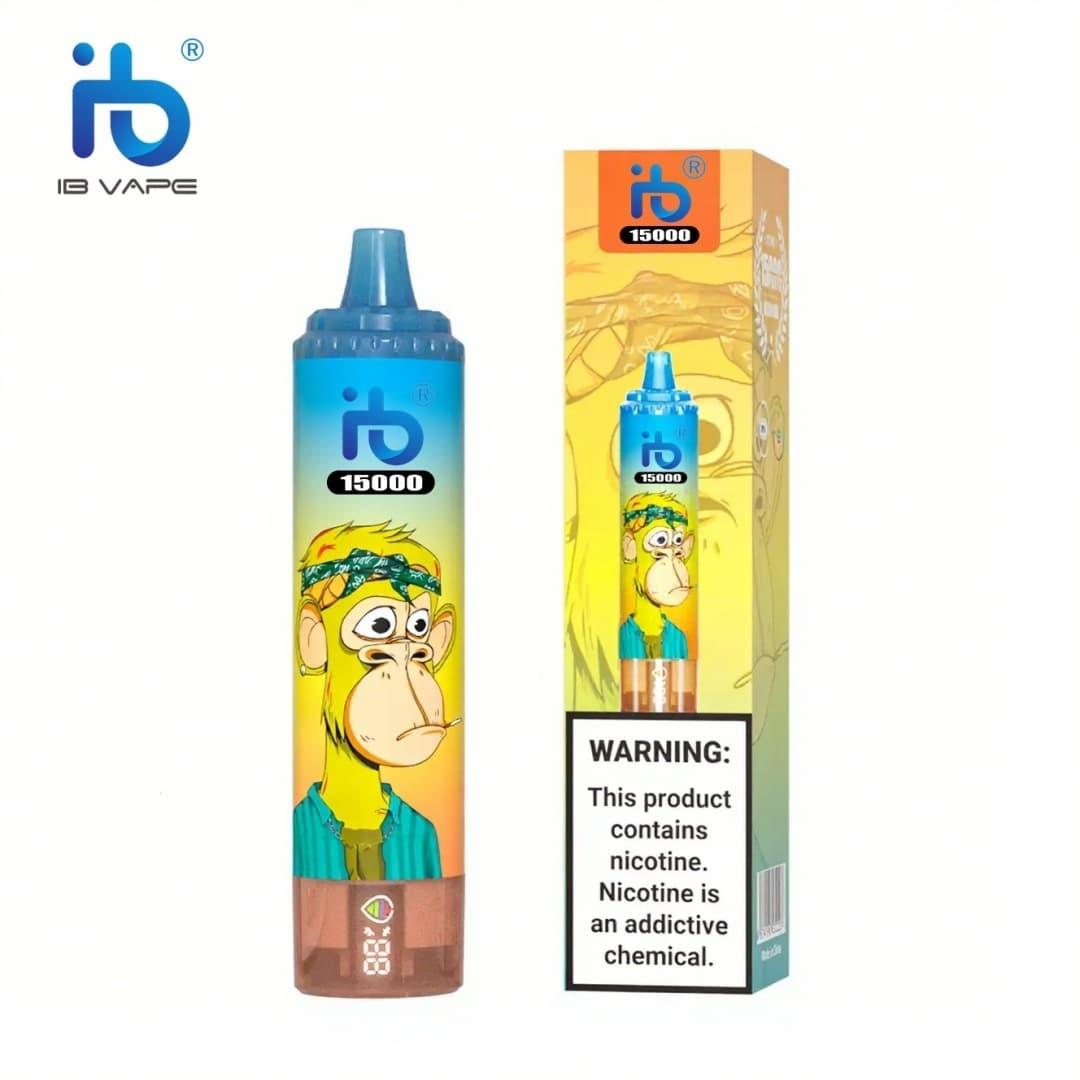
Key Findings Consumers Should Know
- Battery integrity: Damaged or counterfeit lithium-ion cells are a frequent cause of thermal runaway events.
- Charging practices: Using incorrect chargers or leaving devices charging unattended increases risk.
- Aftermarket modifications: Altering devices, mixing batteries and parts from different vendors, or using unofficial pods and cartridges can compromise safety.
- Storage and transport: Keys, coins, or loose batteries in pockets can short-circuit cells and initiate dangerous failures.
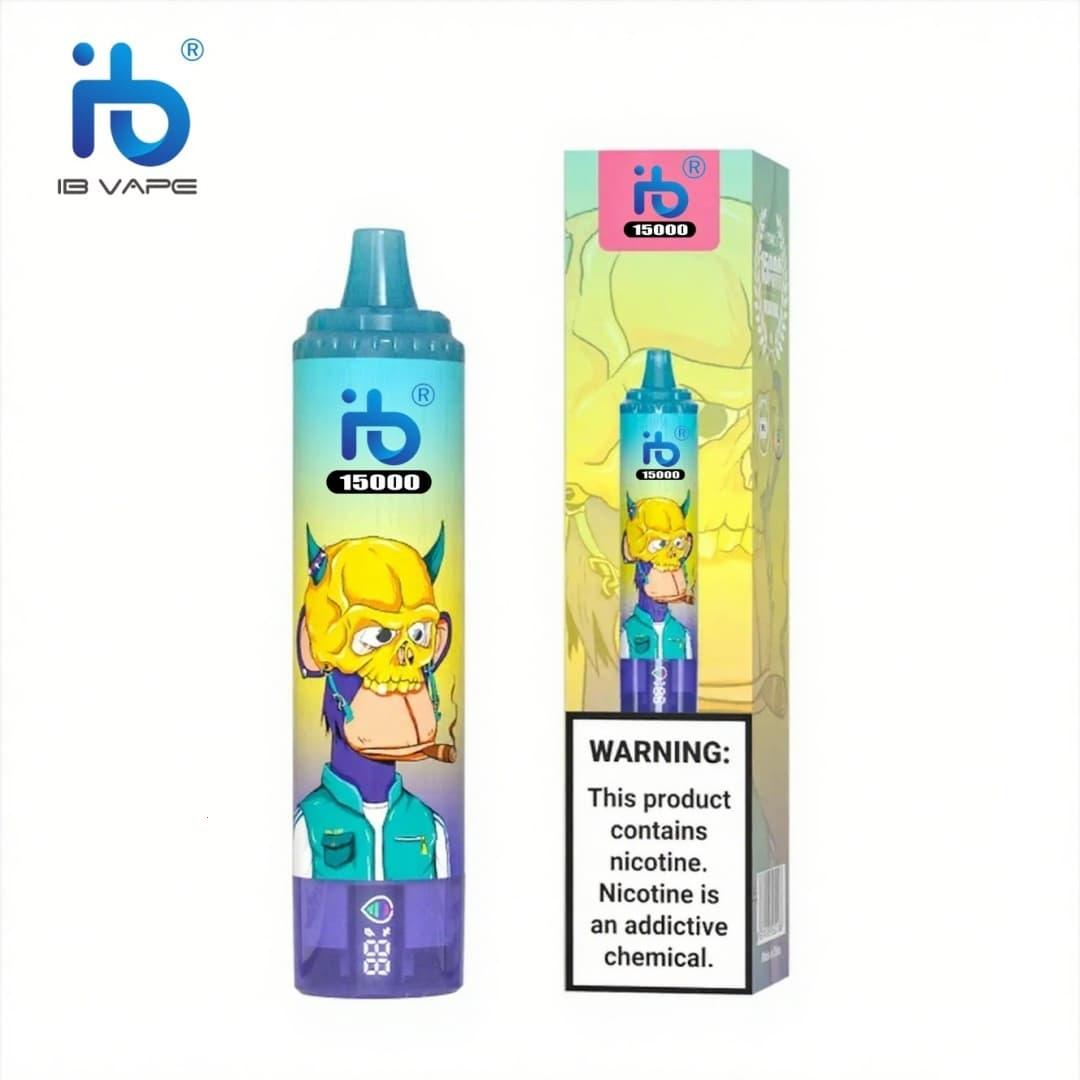

Understanding these factors helps explain why regulators examine not only the branded device (e.g., IBvape models implicated in reports) but also accessories and third-party components associated with devices.
What the Brand Response Typically Looks Like
Manufacturers commonly respond in four phases: acknowledgement, data collection, collaboration with authorities, and remediation. A company named in reports—such as IBvape in some local accounts—often issues safety advisories, requests return of affected units, or recommends firmware updates and safe charging practices while the investigation continues. In many cases manufacturers also cooperate with independent labs to run forensic analyses on recovered devices to establish causality for any e-cigarette explosion.
Public communications
Clear, frequent updates help restore trust. Consumers expect transparent timelines and actionable recall instructions when products are deemed unsafe. Where evidence shows isolated misuse, companies explain best-use scenarios; where design or manufacturing flaws are found, a recall or retrofit is standard.
Immediate Safety Steps for Users
- Stop using any unit that shows damage, overheating, unusual smells, or swelling.
- Store batteries in protective cases; never carry loose batteries with metal objects.
- Use only manufacturer-recommended chargers and cables.
- Unplug devices after charging; avoid overnight charging and unsupervised charging near flammable materials.
- Seek medical attention for burns or inhalation injuries resulting from device incidents.
These basic measures reduce the chance of an e-cigarette explosion and limit harm if a malfunction occurs.
How to Report an Incident
Document the incident carefully: preserve the device in the condition it was found, take clear photographs, note serial numbers and purchase records, and record the date and circumstances of the event. Report to consumer protection agencies, national health authorities, or product safety commissions depending on jurisdiction. Brands—when cooperative—often provide an incident reporting portal; reportings enable investigators to aggregate data and identify patterns that point to manufacturing defects, supply-chain issues, or user education gaps.
Technical Investigation: What Experts Examine
Forensic teams analyze battery chemistry, venting patterns, metallurgical failures, and circuit protection. They look for signs of third-party modifications, counterfeit labeling, improper cell pairing, and external stress like crushing or puncture. Electrical tests can reveal short circuits or overcurrent conditions that precipitate a thermal event. Such analysis distinguishes between user-inflicted damage and inherent product risk, informing whether corrective action by a maker—such as IBvape—is necessary.
Regulatory and Legal Landscape
Regulators worldwide have varying mandates and enforcement tools. Where consumer safety is at stake, agencies can order product recalls, require corrective labeling, or mandate design changes. Legal actions may arise if negligence or failure to warn is found. Consumers affected by an e-cigarette explosion should preserve documentation and consult legal counsel to understand rights, potential compensation, and the standards of proof required in their legal system.
How Retailers and Distributors Play a Role
Retailers are gatekeepers: proper storage, verification of genuine products, and customer guidance on safe usage reduce incidence rates. If a shop sells modified devices or accepts returns without inspection, it increases downstream risk. Responsible retailers collaborate with brands and regulators to remove suspect inventory quickly when safety signals emerge.
Best Practices for Long-Term Consumer Safety
Manufacturers and industry groups can act by standardizing cell testing, mandating overcurrent protection, implementing tamper-evident packaging, and launching broad safety education campaigns. Advocacy for clearer labeling and uniform charger specifications can reduce the propagation of counterfeit and incompatible accessories that lead to e-cigarette explosion events.
Community and Healthcare Response
Healthcare providers should be trained to recognize and treat thermal and blast injuries specific to vaping devices. Burn centers and emergency departments increasingly share data on treatment outcomes which feeds back into prevention strategies. Community forums and consumer advocacy groups also amplify safe-use messaging and assist affected consumers in compiling incident reports for investigators.
Practical Checklist for Consumers Who Own Rechargeable Vaping Devices
- Inspect your device weekly for cracks, swelling, or unusual heating.
- Match batteries only with the manufacturer’s recommended type and capacity.
- Replace chargers and cables at signs of fraying; avoid cheap, uncertified replacements.
- Keep firmware updated where applicable and follow official guidance from brands; if you use products from a brand mentioned in reports (for example IBvape), check the company’s notices and safety pages frequently.
When to Seek a Refund, Replacement, or Recall Assistance
If the manufacturer or regulatory agency confirms a design or manufacturing fault, consumers should be entitled to a full refund, replacement with a safe model, or repair at no charge. Keep original purchase records and any correspondence with vendors or manufacturers in case compensation or recall processing requires them.
Myths, Misconceptions, and Media Coverage
Media reporting sometimes conflates isolated misuse with inherent product risk. Responsible reporting distinguishes between user modifications and factory defects. While instances of e-cigarette explosion are serious, they remain statistically rare compared to overall device usage; nonetheless, each event is a call to action to improve design, distribution, and education.
Summary and Next Steps
Safety concerns tied to devices and battery technologies have spurred manufacturers, including those referenced in consumer reports like IBvape, to reassess protocols, improve transparency, and work with regulators. Consumers can contribute to safer outcomes by following best practices, reporting suspicious incidents promptly, and choosing certified components. Vigilance and cooperation across manufacturers, retailers, regulators, and users are essential to reduce the likelihood of future e-cigarette explosion incidents.
Resources and Contact Points
Reliable resources include national product safety agencies, accredited testing laboratories, certified repair centers, and independent consumer advocacy organizations. When an incident occurs, immediate documentation and reporting accelerate investigations and protective measures like recalls or safety advisories.
FAQ
- Q: What should I do if my device overheats?
- A: Immediately stop using it, move it away from flammable materials to a safe, fireproof surface, and contact emergency services if you see flames or smoke. Do not attempt to puncture or dismantle a swollen battery.
- Q: Are some brands safer than others?
- A: Brands that publish test certifications, supply chain transparency, and clear safety instructions generally offer better consumer protection. Verify device certifications and follow manufacturer advice; if a brand appears in multiple incident reports, monitor official investigations and advisories closely.
- Q: How can I tell if a battery is counterfeit?
- A: Counterfeit batteries often have inconsistent labeling, poor packaging, and pricing that is significantly lower than established suppliers. Purchase cells and devices from reputable vendors and cross-check model numbers and logos with manufacturer sites.