Malaysia has positioned itself as an essential player in the Southeast Asian vaping market, drawing attention from the global e-cigarette community. The country’s regulatory landscape for e-cigarettes is intricate, blending health, commerce, and societal factors. Understanding Malaysia’s e-cigarette regulation is crucial for manufacturers, retailers, and consumers aiming to navigate this complex legal environment.
Overview of Malaysia’s Current E-Cigarette Regulation
The regulation of e-cigarettes in Malaysia is primarily managed by the Ministry of Health. The government classifies them under tobacco products, though this definition is continually evolving as new research and products enter the market. It’s essential for businesses and users alike to stay updated with these regulatory changes to ensure compliance and avoid potential legal pitfalls.
Key Regulatory Components
- Licensing and Registration: Retailers must obtain appropriate licenses to sell e-cigarette products. Additionally, various states in Malaysia have their stipulations, creating a mosaic of regulatory requirements one must navigate.
- Product Standards: The Malaysian government mandates specific quality standards for e-liquids and vaping devices, emphasizing safety and consumer protection. Non-compliance can lead to significant penalties, including fines and product seizures.
- Advertising Restrictions: Like many countries, Malaysia imposes strict regulations on the advertising of e-cigarettes, limiting promotional channels to prevent appealing to minors.
Impact on the E-Cigarette Market
The Malaysian e-cigarette market has witnessed significant growth despite these regulations. According to industry reports, the vaping scene is expanding, with an increasing number of users and new brands entering the market. This growth, however, is tempered by regulatory hurdles that manufacturers and retailers must overcome. The constant tug-of-war between innovation and regulation can influence market dynamics, affecting product availability, pricing, and consumer trust.
Understanding these regulations is not merely a matter of compliance but a strategic advantage for businesses aiming to thrive in Malaysia’s vaping sector.
Health Concerns and Government Response
The regulatory stance is significantly influenced by health concerns associated with e-cigarettes. The government is wary of the potential health implications, especially regarding youth consumption. This caution is reflected in its enforcement of stringent regulations and public awareness campaigns about the possible risks of vaping. Efforts are also being made to conduct further research into the long-term effects of e-cigarette consumption on public health.
Legal Developments and Future Outlook
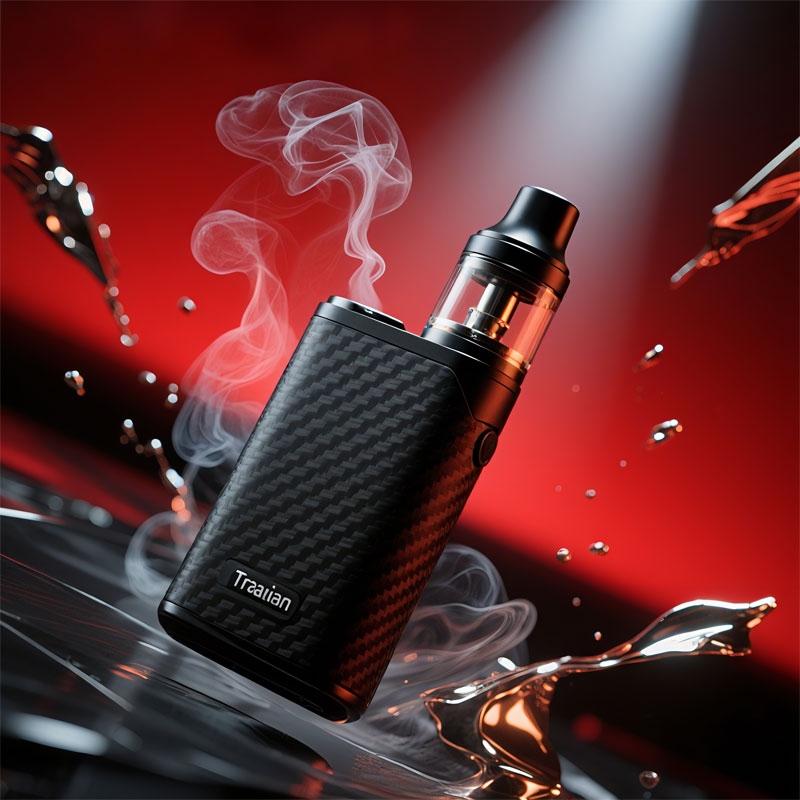
Legal developments around malaysia e-cigarette regulation indicate a move towards stricter controls. As public health takes precedence, the future might see tighter regulations and enhanced enforcement. Potential changes could include more rigorous product standards and increased scrutiny of marketing practices. Businesses involved in the e-cigarette industry must remain vigilant, anticipating and adapting to these changes to maintain their market position.
-
Staying informed about regulatory changes is vital for all stakeholders, ensuring not only compliance but also sustained growth and consumer safety.
Common Questions About Malaysia’s E-Cigarette Regulations
Are there age restrictions for purchasing e-cigarettes in Malaysia?
Yes, the sale of e-cigarettes is restricted to individuals aged 18 and over, aligning with the legal age for tobacco product consumption.
Can tourists bring e-cigarettes into Malaysia?
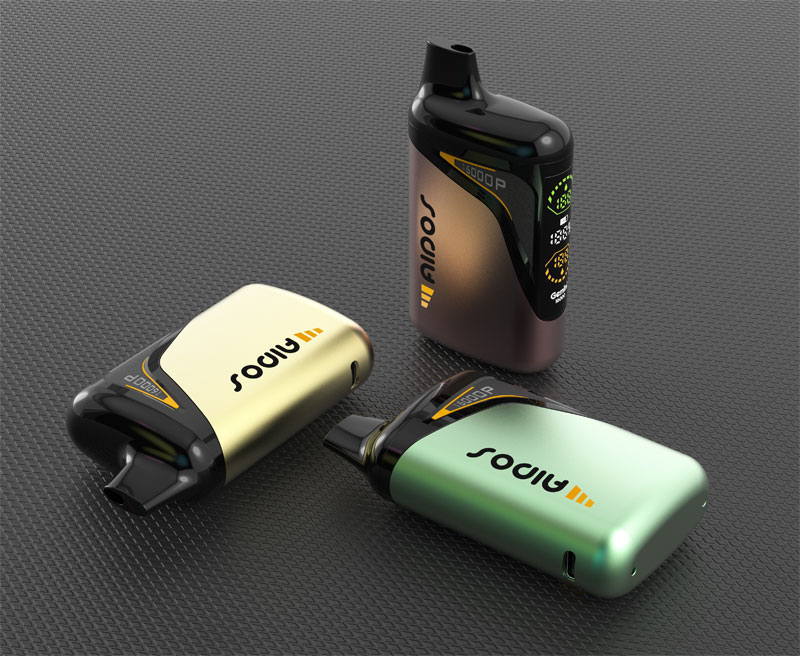
Tourists are allowed to bring e-cigarettes into Malaysia for personal use, although it is advisable to check for any recent changes in customs regulations before traveling.
What penalties exist for non-compliance with e-cigarette regulations?
Penalties can range from fines to imprisonment, depending on the severity of the non-compliance. Businesses caught selling non-compliant products may face more stringent enforcement actions.
In conclusion, navigating Malaysia’s e-cigarette regulation landscape requires an understanding of current laws and a proactive approach to impending legal changes. Being informed and adaptable is key to succeeding in this dynamically evolving market.