Are E Cigarettes Legal in Mexico: An In-Depth Guide for Travelers and Residents
As the popularity of vaping continues to rise worldwide, the question “are e cigarettes legal in Mexico?” has become increasingly prominent among travelers and residents alike. Mexico, a country known for its vibrant culture, cuisine, and diverse landscapes, has recently enacted regulations that directly affect the sale, possession, and use of electronic cigarettes and vaping devices. Understanding the current legal landscape around e-cigarettes is essential for anyone planning to visit or reside in Mexico. This comprehensive guide addresses the regulatory framework, enforcement, risks, and practical tips to ensure your compliance and peace of mind while in the country.
What Are E-Cigarettes and Why Are They Controversial?
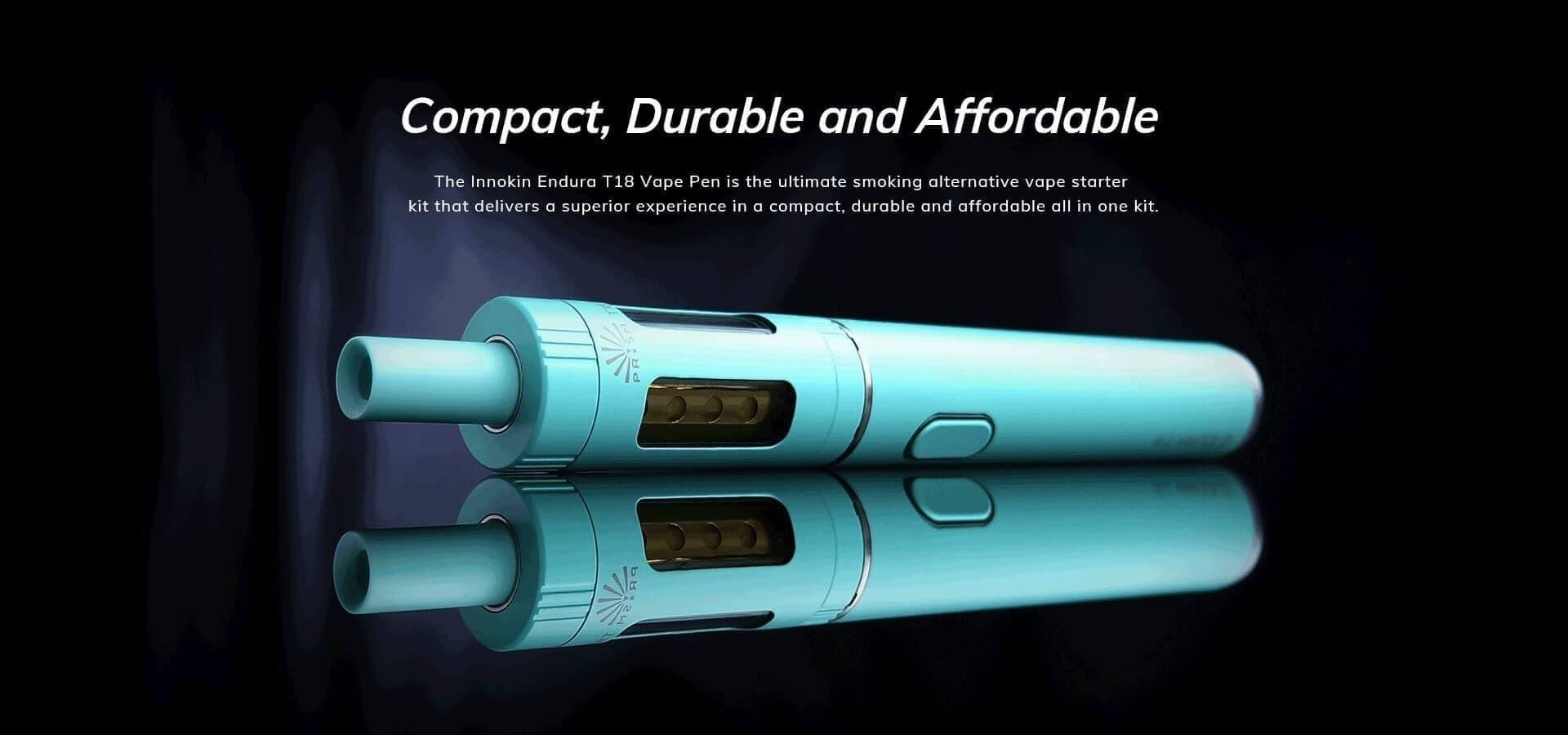
E-cigarettes, also known as vapes or electronic nicotine delivery systems (ENDS), are battery-operated devices designed to simulate smoking by vaporizing a liquid mixture, commonly containing nicotine and flavorings. Their rise in global markets is driven by claims of harm reduction compared to traditional combustible tobacco. Nevertheless, health authorities in several countries, including Mexico, have raised concerns about their safety, potential for addiction, and increased usage among youth. This controversy has influenced a patchwork of regulations around the world.
The Regulatory Background: Are E Cigarettes Legal in Mexico?
To directly address the popular query—are e cigarettes legal in Mexico—it’s vital to distinguish between the sale, importation, possession, and use of such devices. The Mexican government has periodically updated its legal stance on vaping products, with recent years seeing heated debate and tightened restrictions.
- Sale and Importation: As of 2022 and 2023, the Mexican government implemented a broad ban on the importation, commercialization, and distribution of e-cigarettes and vape products, regardless of their nicotine content. This move stems from both executive decrees and public health policy guidance, making it illegal to sell, import, or generally distribute e-cigarettes across Mexico. This prohibition impacts retail stores, online purchases, airport shops, and personal shipments from abroad.
- Possession and Use: Although the sale and importation are restricted, the act of possessing or privately using e-cigarettes is generally not considered a criminal offense for individuals. Many travelers and residents wonder if they can bring a personal device or vape in Mexico—while you will not likely face criminal charges for possession, you may face confiscation and inconvenience, especially at customs checkpoints.
It’s crucial to realize that enforcement practices can vary widely between airports, states, and even among individual officers.
E Cigarettes in Mexico for Tourists: Essential Advice
For visitors planning to bring their vaping device, understanding the regulations is critical. Tourists should note the following practical recommendations based on the current law:
- Personal Use vs. Commercial Quantities: Bringing in e-cigarettes or vape liquids for personal use is technically not allowed under the importation ban. Devices found at customs may be confiscated, and repeated violations could incur additional scrutiny.
- Enforcement Variability: While some travelers report passing through customs without issue, others have experienced strict enforcement including confiscation of both devices and liquids. Seizure is more probable at international airports like Cancun, Mexico City, and Los Cabos.
- Supplies and Refills: Due to the ban on domestic sale, purchasing e-cigarette products once inside Mexico is challenging, with few or no legal options at regulated establishments.
- Smoking Restrictions: Smoking laws in Mexico have been tightening for tobacco and electronic devices alike. Many public spaces, including restaurants, bars, beaches, and hotels, now prohibit both traditional smoking and vaping.
Current Enforcement and Legal Risks
When seeking clarity on “are e cigarettes legal in Mexico,” it’s essential to balance the written law against actual enforcement. Visitors and residents are generally not prosecuted for simple possession or private use. However, authorities have wide discretion at border entries or during inspections. The most significant risk is confiscation of e-cigarette products, rather than fines or criminal charges. In rare cases, if you attempt to sell or distribute vaping products—especially in commercial quantities—you may face legal action under federal law.
It’s also important to note that regulations are subject to change, as the Mexican government continues to review health data and international best practices.
Comparison with Other Countries: Where Does Mexico Stand?
In a global context, Mexico’s position on e-cigarettes is among the stricter. Countries such as the United States, the UK, and much of Europe allow both sale and possession, albeit with age and marketing restrictions. In contrast, several Latin American countries are also moving toward banning vape products to align with World Health Organization recommendations. As a traveler, always check the most recent regulations for your destination, and remember that the question “are e cigarettes legal in Mexico” reflects an evolving legal landscape with serious implications for non-compliance.
Health Concerns and the Rationale Behind Mexico’s Ban
Public health authorities cite rising youth usage, undisclosed ingredients in some vape liquids, and the need to comply with global tobacco control efforts as reasons for the crackdown on e-cigarettes. Studies showing potential risks to cardiovascular and respiratory health have driven legislation, despite ongoing debates about the role of vaping as a harm-reduction option for existing smokers.
Tips to Avoid Trouble with E Cigarettes in Mexico
- Refrain from attempting to bring e-cigarettes or vape liquids through customs, regardless of the amount.
- If you carry a device for personal use, be discreet and do not use it in public spaces or prohibited zones.
- Avoid purchasing vaping products within Mexico, as legal alternatives do not exist, and illicit options may pose safety risks.
- Stay updated on regulatory changes via official consular resources or trusted travel advisories.
Summary: The current legal status of e-cigarettes in Mexico revolves around a ban on sale, import, and distribution, with possession and private use falling into a legally gray zone. Travelers and residents are advised to err on the side of caution, as enforcement can be unpredictable and may lead to the confiscation of devices.
FAQs: Are E Cigarettes Legal in Mexico?
- Can I bring my personal vape device to Mexico when traveling?
- While some travelers have passed through customs with personal devices, the law prohibits their importation. Devices may be confiscated, and travelers are advised not to bring vaping equipment to avoid inconvenience.
- Are there any places in Mexico where I can legally buy vape products?
- No. The sale and distribution of e-cigarettes and related products is banned in Mexico, making it illegal for stores, online retailers, or individuals to offer them.
- Will I face criminal charges for using an e-cigarette privately in Mexico?
- Most individuals do not face criminal charges for private use or possession, but using vape devices in public can result in fines where smoking is banned. Always follow local regulations and respect posted signage.

For the latest updates on vaping laws and to ensure compliance, consult official Mexican government advisories and embassy information before your trip.