The Evolution of Smoking Alternatives
For decades, traditional cigarettes dominated the landscape of nicotine consumption. However, the landscape changed dramatically with the introduction of e-cigarettes, also referred to as vape pens or electronic nicotine delivery systems (ENDS). While both deliver nicotine, their mechanisms differ significantly, influencing their equivalence in health effects and satisfaction.
Understanding How E Cigarettes and Traditional Cigarettes Function
- Traditional Cigarettes: Involve burning tobacco, creating smoke containing thousands of chemicals, some of which are toxic and carcinogenic.
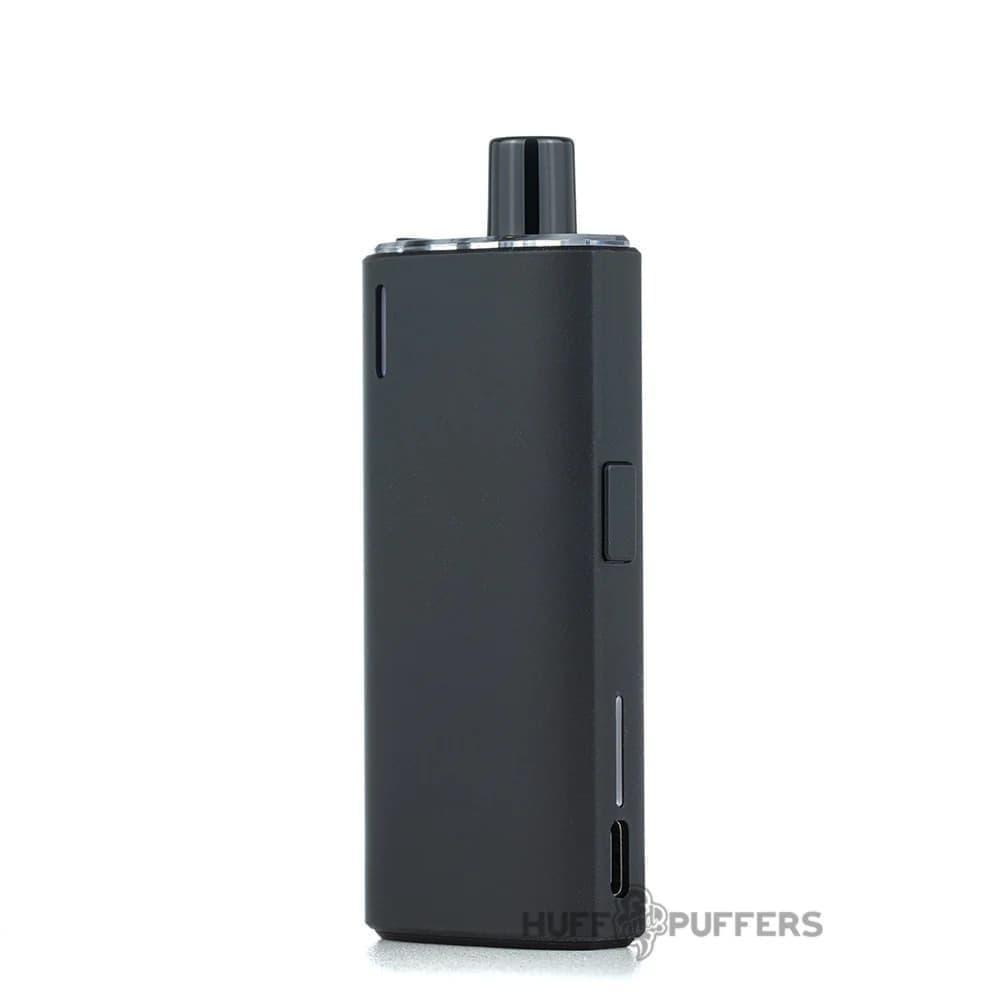
- E Cigarettes: Operate by heating a liquid (often called e-liquid or vape juice) that usually contains nicotine, propylene glycol, vegetable glycerin, and flavorings, producing an inhalable vapor instead of smoke.
Comparing Nicotine Delivery and Satisfaction
A central factor for smokers considering a switch is whether e-cigarettes can satisfy nicotine cravings as effectively as their traditional counterparts. Nicotine delivery in e cigarette devices varies based on the nicotine concentration in the liquid and the efficiency of the device. Some devices are designed to mimic the throat hit and rapid nicotine absorption of cigarettes, offering similar satisfaction for many users. Nevertheless, the pharmacokinetics of nicotine intake may differ, causing varied responses among individuals.
Health Implications: Is There an Equivalence?
On a chemical level, cigarettes release not just nicotine but also tar, carbon monoxide, and many other hazardous compounds. E-cigarettes, on the other hand, mainly produce nicotine vapor and lack many of these dangerous byproducts. Public health organizations (such as the UK’s NHS and PHE) generally agree that vaping poses fewer health risks than smoking. However, this does not imply that e cigarettes are harmless. Some chemicals in e-liquids, especially when heated at high temperatures, can produce toxic substances (like formaldehyde and acrolein), albeit typically at much lower levels than cigarettes.
Satisfaction: The Ritual and Sensory Experience
Part of the satisfaction from smoking comes not only from nicotine but from the ritual—lighting the cigarette, inhaling the smoke, and exhaling. Modern e cigarettes mimic many of these rituals, with devices designed for similar size, hand feel, and even simulated “smoke” clouds. Flavored e-liquids further enhance the sensory experience, potentially increasing satisfaction for some, but for long-term smokers, the absence of the tobacco combustion taste or “kick” may make e-cigarettes feel different, even if nicotine delivery is similar.
Composition Analysis: What Are You Inhaling?
| Component | Cigarettes | E Cigarettes |
|---|---|---|
| Nicotine | Present | Present (variable levels) |
| Tar | High | None |
| Carcinogens | Many | Some (often much lower concentration) |
| Flavoring | Limited (natural tobacco flavor) | Wide variety (fruit, menthol, dessert, etc.) |
This overview underlines that while the e cigarette equivalent to cigarettes question doesn’t have a simple answer, the composition differs enough to yield substantial health implications.
Long-Term Health Studies: What Do We Know?
While conventional cigarettes have been comprehensively studied for decades, resulting in well-documented health consequences (lung disease, cancer, cardiovascular conditions), e-cigarettes are newer. Longitudinal studies are still underway, but current evidence suggests vaping is significantly less harmful—especially when used as a smoking cessation tool—although concerns remain about the effects on the cardiovascular system and the risks of long-term, frequent inhalation of certain flavoring chemicals and aerosols.
Social and Regulatory Perspectives
Beyond health, the question of equivalence is affected by social perception and changing regulations. Some regions tax and restrict vaping similarly to cigarettes, while others encourage smokers to switch as a harm reduction strategy. Flavors, marketing, and minor access are points of contention in debates about the role of e cigarettes in society.

Summary: Equivalence in Health and Satisfaction?
To sum up, the e cigarette equivalent to cigarettes topic covers health risks, user satisfaction, and broader societal effects. E-cigarettes are not 100% equivalent to traditional cigarettes: they generally offer lower health risks and adjustable nicotine satisfaction, but differences exist in ritualistic experience and unknowns regarding very long-term use. Properly regulated, they can serve as a harm reduction method for current smokers, but should not be introduced to non-nicotine users.

Frequently Asked Questions
- Are e-cigarettes completely safe compared to regular cigarettes?
- No, e-cigarettes are not completely safe, but scientific consensus agrees they’re much less harmful than conventional cigarettes, mostly due to the absence of combustion-related toxins.
- Will vaping give me the same satisfaction as smoking?
- This depends on the device, e-liquid, and your personal preferences. Many ex-smokers report similar levels of satisfaction, but some may notice differences in taste and the “hit.”
- Can e-cigarettes help me quit smoking?
- There is growing evidence that e-cigarettes can help smokers switch away from combustible tobacco, but complete cessation of nicotine is preferable for your health in the long-term.