With the growing popularity of e-cigarettes as an alternative to traditional cigarettes, different countries have taken varied stances regarding their regulation and legality. While some embrace e-cigarettes for their potential harm reduction, others face concerns about public health, leading to outright bans. Understanding the landscape of countries where e-cigarettes are banned provides insight into the global regulatory diversity and its implications on consumers and manufacturers. Let’s delve deeper into this dynamic scenario.
E-cigarettes, also known as vapes, have swiftly become part of the modern smoking culture. However, their presence in the market of some nations is either severely restricted or entirely prohibited. Countries with bans on e-cigarettes often cite health risks, youth access, and the preservation of existing anti-smoking gains as primary reasons. It’s crucial to consider how these factors shape policy decisions worldwide.
Reasons Behind E-Cigarette Bans
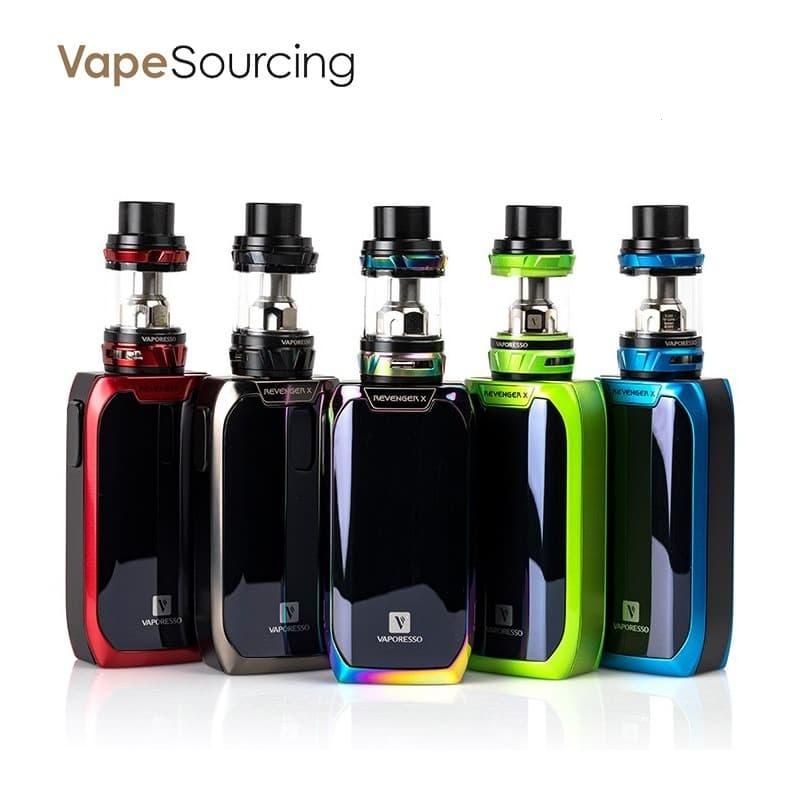
- Health Concerns: Many nations have implemented bans due to uncertainties surrounding long-term health effects. Concerns about nicotine addiction and potential gateway effects have prompted a cautious approach.
- Youth Vaping Epidemic: The rise in youth vaping has alarmed policymakers, leading to restrictive measures aiming to prevent the introduction of nicotine products to younger demographics.
- Regulatory Challenges: Standardizing components and safety protocols in e-cigarettes presents significant hurdles, prompting some countries to place blanket bans until more comprehensive regulations can be adopted.
Countries Where E-Cigarettes Are Prohibited

Several countries have chosen to implement full bans on e-cigarettes. For example, Thailand has strict penalties for the import, sale, or possession of vaping products. Singapore’s regulatory framework similarly prohibits the sale and use of e-cigarettes, prioritizing public health over potential harm reduction arguments. Austere measures in Brazil reflect health authorities’ decision to prioritize long-established smoking cessation programs over new alternatives.
Impact of Bans on Consumers and Industry
The effect of these bans reverberates through consumer choices and industry operations. For consumers in banned regions, traditional smoking cessation methods remain pivotal. The e-cigarette industry faces significant barriers in market penetration, affecting business strategies and potential growth.
While some countries take an open approach to e-cigarettes, believing in their potential for harm reduction, the banned territories underline the complexities and diverging opinions prevalent in global health policies.
FAQs
- Why do some countries enforce strict e-cigarette bans?
- Concerns about health impacts and the increase in nicotine use among youth often motivate countries to restrict e-cigarettes.
- Can travelers face penalties for carrying e-cigarettes into banned countries?
- Yes, travelers caught with e-cigarettes in regions such as Thailand may face fines or other penalties.
- Are there ongoing debates regarding e-cigarette policy?
- Certainly, the conversation continues as new research emerges, with varied opinions shaping future regulations.