Understanding the Mechanics of E-Cigarettes
At the core of every e-cigarette lies a few critical components: the battery, the atomizer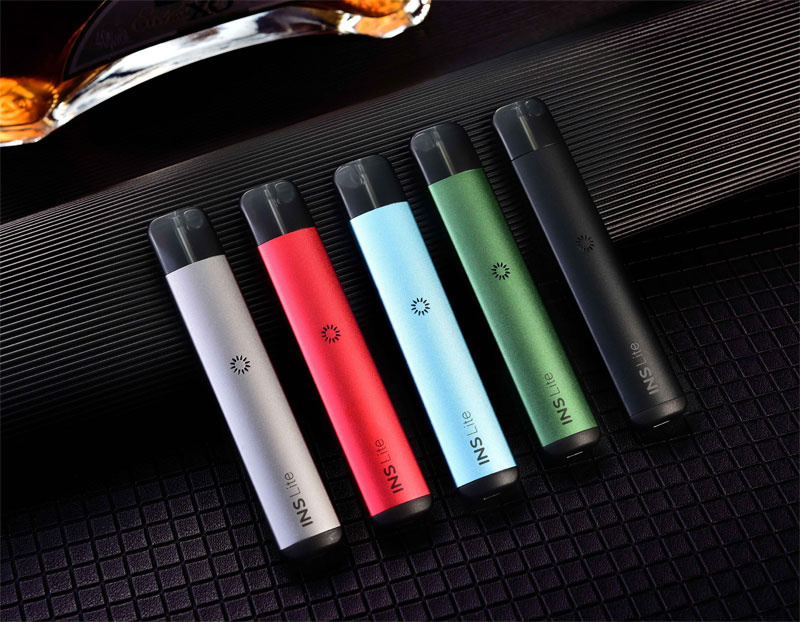 , and the e-liquid cartridge or tank. The battery supplies power to the atomizer, which in turn heats the e-liquid, converting it into vapor. This vapor is then inhaled by the user. This process effectively mimics the sensation of smoking, often minus the combustion and associated tobacco-specific toxins.
E-Liquid Composition
A vital ingredient in e-cigarettes is the e-liquid, also known as vape juice. Typically, it consists of Propylene Glycol (PG) and Vegetable Glycerin (VG), nicotine, and flavorings. The ratio of PG to VG can vary, influencing the throat hit experienced by the user. Higher PG content often results in a stronger throat hit, whereas higher VG offers a smoother experience with more vapor.
Accessories and Variations
E-cigarettes come in an assortment of styles and configurations suitable for different levels of users—from beginners to seasoned vape enthusiasts. Devices range from simple pen-style models to complex modifications known as mods. Mods often feature adjustable power settings and different coil resistances, allowing users to customize their vaping experience.

Health Implications
The health implications of e-cigarettes remain a topic of ongoing research and debate. While they are perceived as a less harmful alternative to smoking, due to the absence of combustion, some health professionals caution about potential risks associated with long-term use. Nicotine addiction and exposure to the chemicals present in some e-liquids are primary concerns.

Regulations and Standards
Globally, regulatory bodies have established guidelines to ensure the safety of e-cigarettes and vape products. These regulations often pertain to the manufacturing process, marketing, and sale of such devices—particularly in protecting minors from exposure to nicotine.
Why Choose E-Cigarettes?
For many, the decision to switch to e-cigarettes centers around health considerations and the desire to quit traditional smoking. Several users report that vaping provides a pathway to reduce nicotine intake progressively. Additionally, the absence of the strong odor associated with cigarette smoke makes e-cigarettes an appealing choice for those seeking discretion.
Frequently Asked Questions (FAQs)
1. What is the difference between vaping and smoking?
Vaping involves inhaling vapor produced by an e-cigarette, while smoking involves inhaling the combustion byproducts of burning tobacco.
2. Are e-cigarettes a safe alternative to smoking?
E-cigarettes are generally considered less harmful than traditional smoking, though not completely risk-free. It’s crucial to stay informed about the latest research.
3. Do e-cigarettes help quit smoking completely?
Some individuals have successfully used e-cigarettes as part of a strategy to quit smoking, but results vary, and it’s important to explore all cessation options.
In conclusion, understanding the nuances of what is the e cigarette can empower individuals to make informed decisions regarding their health and lifestyle.