
- At the core of an e-cigarette lies the e-liquid, which is vaporized to simulate smoking. This liquid generally contains propylene glycol or vegetable glycerin. These are common food-grade substances used to produce the visible vapor when heated.
- Nicotines are often part of these mixtures, and their concentration can vary based on user preference. Not all e-cigarettes contain nicotine, but it’s a significant component for those designed to help curb tobacco addiction.
- A variety of flavorings are added to enhance the user experience. These flavorings can range from traditional tobacco and menthol to exotic fruit blends and dessert flavors. This wide range appeals to different demographics and is a major factor in the device’s popularity.
- Additionally, there’s an atomizing chamber within every e-cigarette. This component is crucial as it heats the e-liquid to create vapor. It’s powered by a battery, which varies in strength from model to model, affecting both the vapor’s density and the duration of battery life.
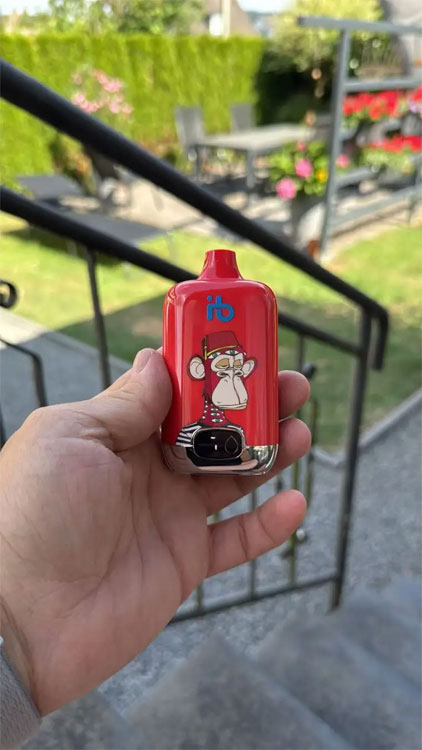
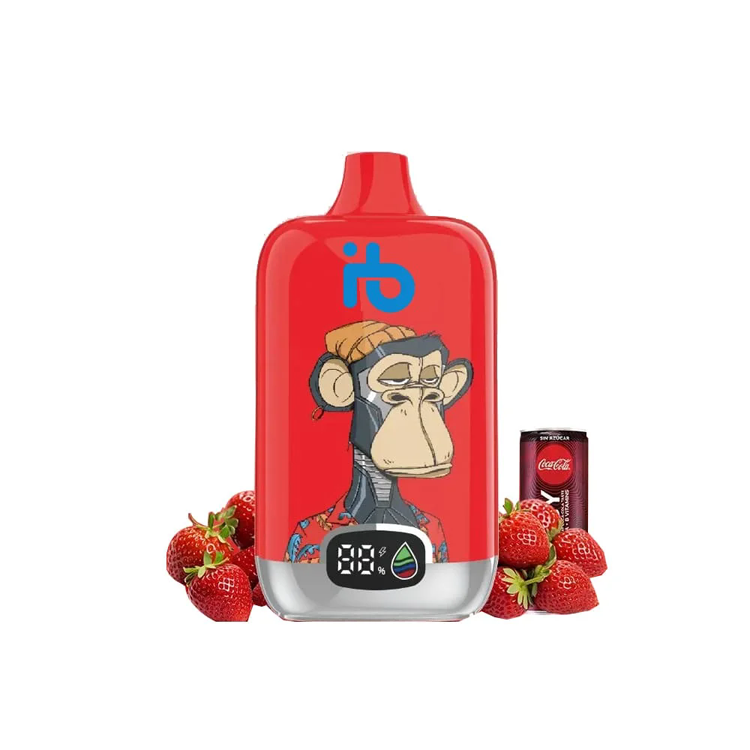
Components of E-cigarette
The e-liquid within e-cigarettes may also contain other chemicals, such as formaldehyde or acetaldehyde, albeit in lower quantities compared to traditional cigarettes. It’s essential to note that while e-cigarettes eliminate the harmful effects of tar and many tobacco-related carcinogens, they are not entirely risk-free. However, some studies suggest they might be less harmful than conventional smoking.
Understanding these components provides clarity on how e-cigarettes work and their potential implications for health.
Choosing high-quality e-liquids with clear ingredient labels could mitigate some health risks.
Common FAQs
1. Are e-cigarettes safer than traditional cigarettes?
While e-cigarettes can be less harmful as they don’t contain tar, it’s important to recognize they still carry health risks associated with nicotine and other chemicals.
2. Do all e-cigarettes contain nicotine?
Not necessarily. There are nicotine-free variants available in the market catering to users who wish to avoid nicotine altogether.
3. How do e-cigarettes produce vapor?
The vapor is produced when the e-liquid is heated by the atomizer, transforming it into an aerosol that the user inhales.