In recent years, the use of e-cigarettes has become increasingly popular globally. Many might wonder about the regulations concerning using an e-cigarette during an international flight. It is essential to comprehend these regulations to avoid any potential issues that could arise at airports or onboard flights. The primary requirement in the context of e-cigarettes on flights is understanding where you can use them and how to pack them correctly. Ensuring compliance with airline policies and international regulations is crucial for a hassle-free travel experience.
Understanding Airline Policies
Most airlines have established clear policies regarding e-cigarettes. Passengers are generally prohibited from using e-cigarettes on board. Even though e-cigarettes do not produce traditional smoke, the aerosol created by the device can be misunderstood by other passengers and cabin crew as actual smoke, which may panic or concern those not familiar with vaping.
Why are E-Cigarettes Not Allowed During Flights?
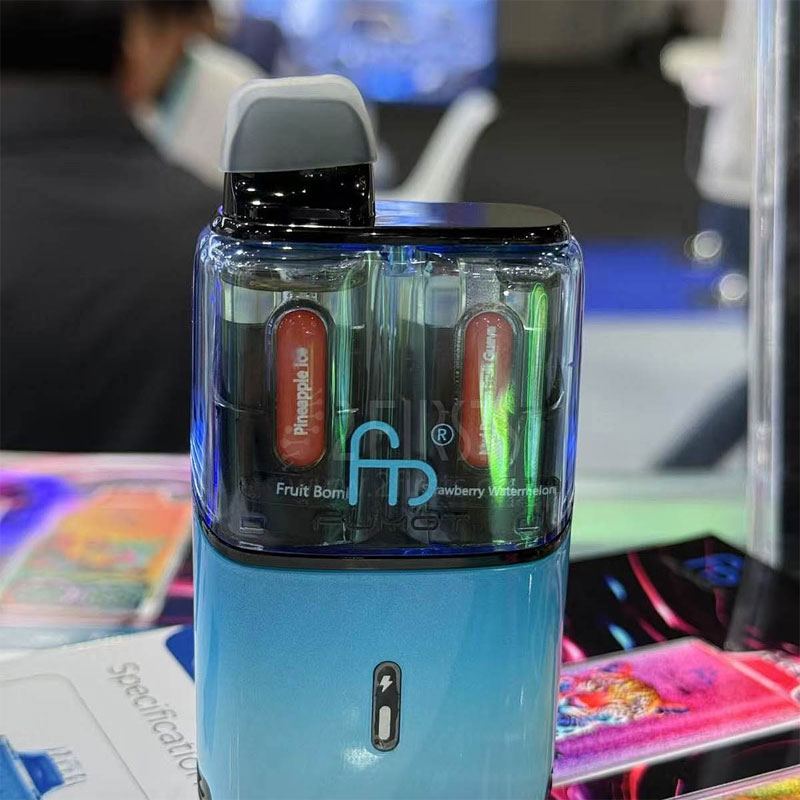
The main reasons are safety and comfort. Firstly, the lithium batteries used in e-cigarettes have been known to cause fires if not handled properly. Secondly, vaping can trigger the smoke detectors onboard, disrupting the flight. Therefore, carrying e-cigarettes in your carry-on baggage rather than checked luggage is generally recommended to avoid battery-related incidents.
Packing E-Cigarettes for a Flight
When preparing for an international flight, it’s crucial to pack your e-cigarettes properly. Here are a few steps to ensure you’re complying with regulations:
- Store batteries in protective cases to prevent short-circuiting.
- E-liquids should be packed in your quart-sized bag with other liquids, following the 100ml rule.
- Ensure your device is turned off when not in use.
Tips for Vapers

If you are an e-cigarette user about to embark on a long-haul international flight, here are some essential tips:
- Check the specific regulations of the airline you are flying with and the countries you will visit.
- Prepare enough e-liquid, considering international restrictions may limit purchasing your preferred brand abroad.
- Consider nicotine alternatives like patches or gums for use during the flight to avoid cravings.
Regulations in Different Countries
E-cigarette laws can vary significantly from country to country. Some countries have stringent regulations or outright bans on e-cigarettes and vaping products, while others may have more lenient policies. For example, countries in the Middle East and parts of Asia have strict laws regarding vaping. Therefore, researching the local laws of your destination is vital to avoid fines or confiscations.
Customs and Security Checkpoints

While passing through customs and security checkpoints, keep your e-cigarettes and e-liquids easily accessible. Security personnel may request to see these items to ensure you comply with both local and international norms, which include restrictions on liquids and batteries.
Frequently Asked Questions (FAQs)
Can I vape in the airport?
Most international airports have designated smoking areas, but it is essential to confirm with the specific airport. Vaping is usually only permitted in these areas.
What if my e-cigarette is confiscated?
If an e-cigarette is confiscated at security or customs, cooperate with officials. Understand that they are enforcing their country’s laws and regulations, and arguing is unlikely to result in the return of your device.
Are all e-liquids restricted on flights?
E-liquids must comply with international liquid restrictions, typically adhering to the 100ml maximum rule per container. Always store these in a transparent, resealable plastic bag as part of your carry-on luggage.