The transition away from e-cigarettes can be a challenging ordeal, primarily due to the withdrawal symptoms associated with nicotine cessation. E-cigarettes, often seen as a safer alternative to tobacco, still carry the addictive element of nicotine, which can lead to withdrawal symptoms when the user decides to quit. Understanding these symptoms and how to manage them is crucial for anyone looking to transition away from vaping.
Understanding Nicotine Withdrawal
Nicotine withdrawal symptoms stem from the body’s dependence on this substance, resulting in a variety of psychological and physiological effects when intake is suddenly stopped. Common withdrawal symptoms can include irritability, anxiety, headaches, cravings, difficulty concentrating, and increased appetite. These symptoms are the body’s response to the absence of nicotine, a compound it has become accustomed to through the use of e-cigarettes.
What to Expect in the First Few Days
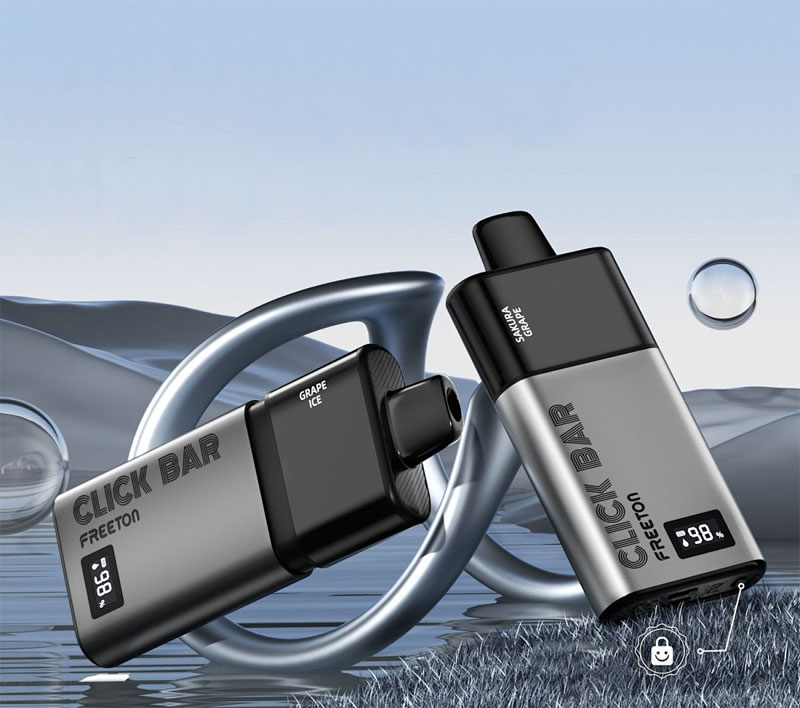
The initial days following nicotine cessation can be the most challenging. Typically, symptoms peak within the first three days and can begin as soon as 30 minutes after the last use of e-cigarettes. Users might experience intense cravings, restlessness, and mood swings. During this period, the brain undergoes changes as it adjusts to functioning without the regular nicotine intake it has developed a dependency on.
Managing Withdrawal Symptoms
Developing a Plan
Creating a structured quit plan can significantly improve the chances of successfully managing withdrawal symptoms. This can include setting a quit date, identifying triggers, and finding healthy distractions. Having a strong support system, whether from friends, family, or support groups, is crucial during this transition period.
Healthy Lifestyle Adjustments
- A balanced diet can help mitigate increased appetite and weight gain.
- Regular exercise acts as a natural stress reliever and helps reduce cravings.
- Adequate sleep promotes overall well-being and aids in brain recovery.
When to Seek Professional Help
If withdrawal symptoms become overwhelming or unmanageable, consulting healthcare professionals can provide additional support. Options such as nicotine replacement therapy or behavioral therapies can be beneficial. These therapies work by gradually reducing nicotine dependence and addressing the behavioral aspects of addiction.
Nicotine Replacement Therapy (NRT)
NRT provides a low dose of nicotine without the harmful chemicals found in cigarettes or e-cigarettes, which can ease withdrawal symptoms and support the cessation process. Such therapies are available in various forms, including patches, gum, and lozenges.
Behavioral Therapies
Behavioral therapies focus on changing the habits associated with nicotine use and managing stress and triggers. Cognitive-behavioral therapy is a popular method that helps individuals understand the relationship between thoughts, feelings, and behaviors, empowering them to severe their dependence on nicotine.
FAQs
How long do withdrawal symptoms last?
Withdrawal symptoms can vary from person to person but typically last a few days to a few weeks. The duration depends on the level of dependence and individual physiological factors.
Can I manage withdrawal symptoms on my own?
Yes, many people successfully manage symptoms independently by using strategies like avoiding triggers, staying active, and maintaining a healthy diet. However, support from healthcare providers can increase the likelihood of success.

Is it necessary to quit e-cigarette gradually?
Both gradual and immediate cessation strategies are effective. The best approach depends on personal preferences and lifestyle. Consulting with a healthcare provider can offer guidance tailored to individual needs.