Quitting smoking can be a daunting task, but with the rise of e-cigarettes, many smokers are finding a viable path to cessation. Understanding how to use e-cigarettes effectively to quit smoking involves a mix of choosing the right device, knowing nicotine levels, and gradually reducing dependency. Here we explore a strategy to help you transition from traditional cigarettes to e-cigarettes and ultimately, to a smoke-free life.
Understanding E-Cigarettes
E-cigarettes, often referred to as vapes, are devices that allow smokers to inhale nicotine through a vapor rather than smoke. This process eliminates the harmful tar and many chemicals found in traditional cigarettes. The primary components of an e-cigarette include a cartridge, a heating element known as the atomizer, and a battery. The cartridge is filled with e-liquid, which contains nicotine and flavorings.

Choosing the Right Device
Selecting the appropriate e-cigarette is crucial. Beginners might benefit from starter kits that come pre-configured and are easy to use. Pod systems are a popular choice because of their simplicity and portability. Box mods, though more advanced, offer customizable settings that can suit more experienced users looking for a tailored vaping experience.
Understanding Nicotine Levels
Different e-liquids offer a range of nicotine strengths. It’s essential to start with a nicotine level that aligns with your current smoking habits to avoid withdrawal symptoms. Typically, e-liquids come in nicotine concentrations ranging from 0mg to 24mg. If you smoked heavily, maybe start at a higher concentration and gradually decrease the level as you progress in quitting.
Moderation is the key, as going too fast might lead to relapse.
Transitioning from Smoking to Vaping
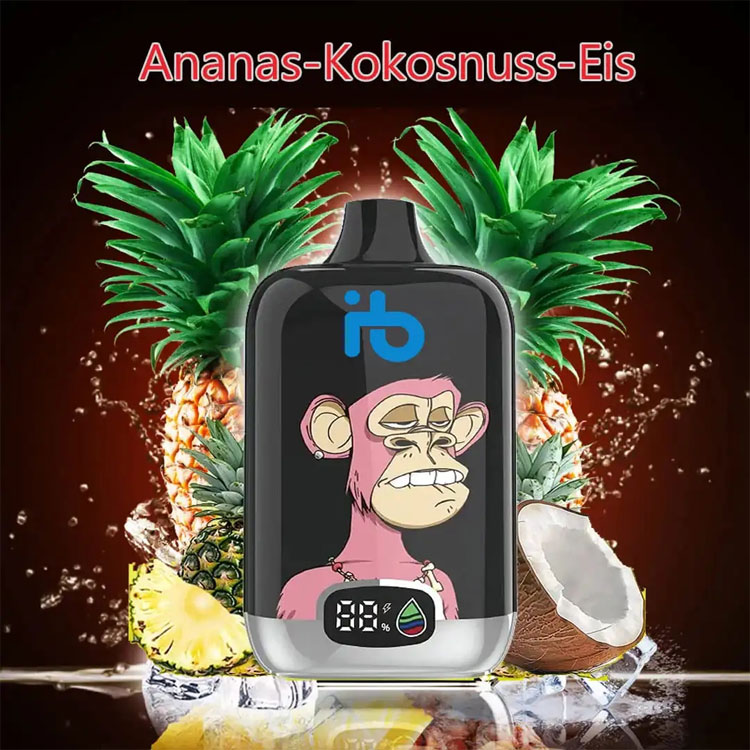
Begin by replacing some conventional cigarettes with e-cigarettes. Track your daily consumption of both cigarettes and the e-cigarette sessions. Gradually increase the frequency of vaping while decreasing cigarette smoking. This balance helps your body adjust while reducing nicotine intake from cigarettes. Many find comfort in the ritual of smoking, which e-cigarettes can mimic without exposing the smoker to harmful chemicals.
Creating a Quit Plan
A structured quit plan can aid the transition. Set a quit date, and make small, achievable goals like reducing the number of cigarettes smoked per day. Note triggers and plan strategies to handle cravings. Having support from friends and family can also bolster your resolve.
Monitoring Progress and Adjusting
Assess your progress regularly. Adjust your nicotine levels and e-cigarette use if necessary. It’s crucial to listen to your body and find a sustainable pace. If you encounter difficulties, consider joining an online cessation support group, as shared experiences can provide motivation and solutions.
Understanding psychological aspects of addiction is also vital. E-cigarettes may mimic the act of smoking but do not address emotional connections to smoking. Recognizing these aspects can help frame a complete approach to quitting.
FAQs
Can e-cigarettes completely reduce nicotine dependency?
Gradually decreasing nicotine levels in e-liquids can lead to reduced dependency, but this is a process that varies between individuals. Success often depends on pacing and personal commitment.
Are e-cigarettes safer than regular smoking?
Research suggests e-cigarettes are less harmful due to the absence of tar and some harmful chemicals. However, they are not entirely risk-free, so eventual cessation is recommended.
How long does it typically take to quit smoking using e-cigarettes?
The duration varies widely; some people find success within weeks, others months. It depends on individual habits, commitment levels, and how well the quitting plan is followed.