E-cigarettes have surged in popularity over the past decade, often touted as a safer alternative to traditional cigarettes. As individuals become more health-conscious, understanding “how e cigarettes work” has become a pertinent topic. This article delves into the mechanics of e-cigarettes, exploring their components, operation, and potential implications for health.
The Basic Components of E-Cigarettes
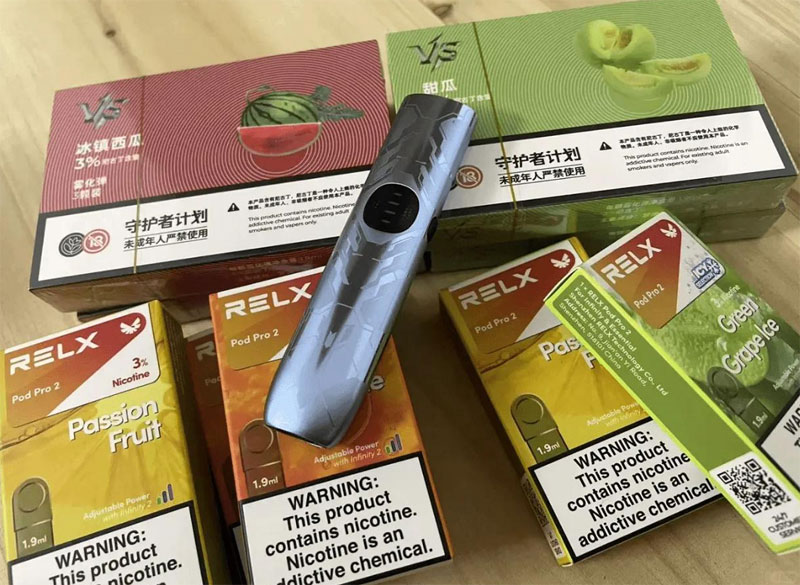
An e-cigarette is essentially a compact, battery-operated device that simulates smoking. It consists of three primary components: the battery, the atomizer, and the e-liquid cartridge. The battery powers the device, the atomizer heats the e-liquid, and the e-liquid, also known as vape juice, contains nicotine, flavorings, and other chemicals. When activated, the atomizer’s heat transforms the liquid into vapor, which users inhale.
How E-Cigarettes Operate
The operation of e-cigarettes is relatively simple yet ingenious. Once the user engages the battery, it sends power to the atomizer. The power heats the coil within the atomizer, which in turn, heats the e-liquid. This heating process rapidly converts the liquid into a vapor. Unlike traditional cigarettes that burn tobacco, e-cigarettes rely on a vaporization process at much lower temperatures. This is a critical point in understanding how e-cigarettes are considered less harmful because they do not combust tobacco, which reduces the production of harmful tar and carbon monoxide.
Varieties of E-Cigarettes
E-cigarettes come in various shapes and sizes, from disposable e-cigs to more sophisticated devices like vape pens and mods. Disposable e-cigarettes are convenient for first-time users as they don’t require charging or refilling. Vape pens, however, are rechargeable and provide more control over the experience. Mods are more advanced, offering customizable features like voltage, wattage, and even puff count monitoring, making them popular among advanced users seeking a personalized vaping experience.

The Role of E-Liquid
The e-liquid, or vape juice, is an essential element of e-cigarettes. It typically contains a blend of propylene glycol (PG) and vegetable glycerin (VG). Nicotine levels in e-liquids can vary, allowing users to choose their preferred concentration. Additionally, e-liquids come in a wide array of flavors, from classic tobacco and menthol to exotic fruit and dessert flavors, enhancing the vaping experience.
“The experience of every user can vary significantly depending on their choice of flavor and nicotine strength, making e-cigarettes a very customizable option.”
Potential Health Implications
Understanding the health implications is crucial when exploring how e cigarettes work. Although they are generally considered less harmful than traditional cigarettes, potential risks still exist. Health experts are concerned about the impact of long-term vaping on respiratory health, as well as the potential for nicotine addiction, which remains present in many e-liquid formulations. However, for smokers seeking an alternative, e-cigarettes may serve as a stepping stone towards eventual cessation.
FAQs About E-Cigarettes
- Can e-cigarettes help in quitting smoking?
While some people use e-cigarettes as a tool to quit smoking, success can vary. It is advised to seek professional assistance for smoking cessation. - Are there age restrictions for purchasing e-cigarettes?
Yes, there are age restrictions which vary by country and region. It’s crucial for buyers to verify legal age requirements in their locality. - Is vaping allowed in public spaces?
Regulations on vaping in public vary. It’s important to be aware of local laws before using e-cigarettes in public areas.
As research continues, our understanding of how e cigarettes work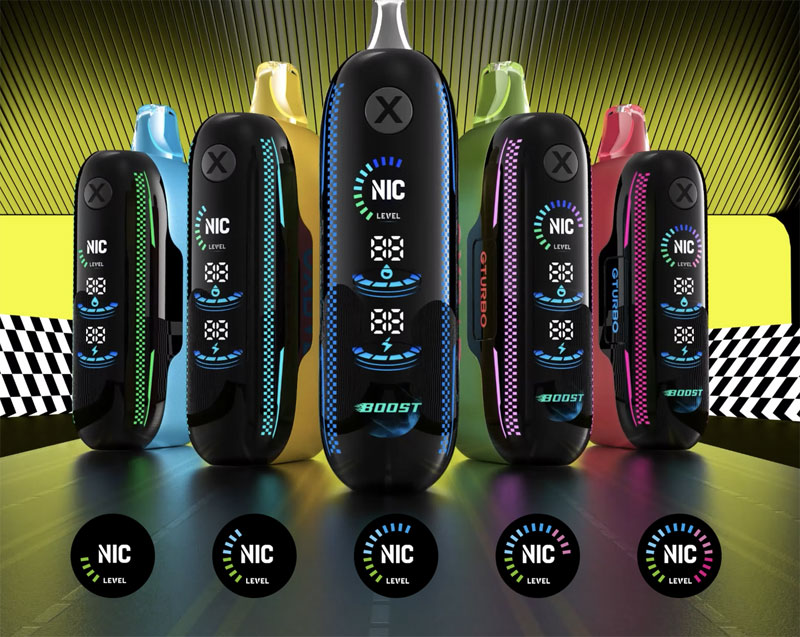 and their effects will undoubtedly evolve, offering more clarity to consumers and public health authorities alike.