E-cigarettes have become increasingly popular among smokers, often being marketed as a safer alternative to traditional cigarettes. However, the question many ask is: what exactly is in an e-cigarette? Understanding the components and substances involved can help users make informed decisions about their health.
Basic Design of E-Cigarettes
An e-cigarette typically consists of three major components: the battery, the atomizer, and the e-liquid container, commonly referred to as a cartridge or tank. Each of these parts plays a crucial role in how the device functions.
The Battery
The battery in an e-cigarette, usually lithium-ion, powers the device. It may be either rechargeable or disposable, depending on the design. A reliable battery ensures consistent vapor production and longer usage times.
The Atomizer
The atomizer is responsible for converting the e-liquid into vapor. It contains a coil that heats up when activated by the battery, thereby vaporizing the liquid for inhalation. Depending on the model, atomizers can vary in design and power, affecting the vapor’s thickness and flavor.
The E-Liquid Container
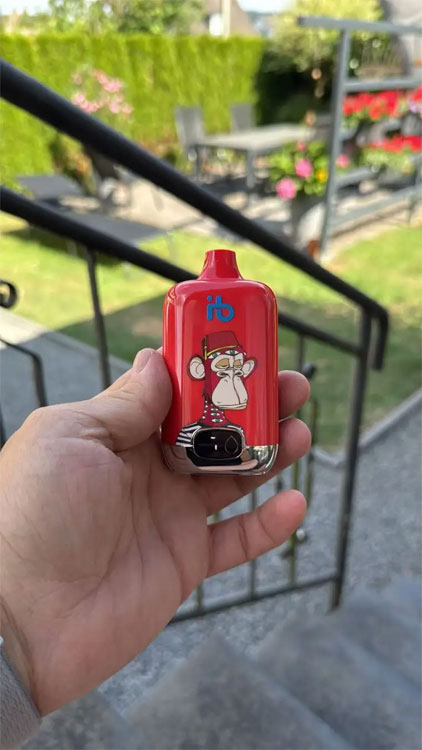
The e-liquid container holds the substance that is transformed into vapor. Often referred to as a tank, this component can be refillable or pre-filled. The choice between these depends on user preferences and ease of use.
What’s Inside the E-Liquid?

The e-liquid is the heart of the e-cigarette experience. Understanding its composition is vital. Typically, e-liquids consist of four main ingredients: propylene glycol (PG), vegetable glycerin (VG), nicotine, and flavorings.
Propylene Glycol (PG)
PG is a colorless liquid that helps carry flavor and provides a throat hit similar to that of traditional smoking. It is commonly used in food and pharmaceutical industries and is considered safe for consumption.
Vegetable Glycerin (VG)
VG is a thicker liquid derived from plants. It is responsible for producing denser vapor clouds and is usually mixed with PG in various ratios to balance flavor, vapor production, and throat hit.
Nicotine
Nicotine is an addictive substance found in both e-liquids and traditional cigarettes. E-liquids can have various nicotine concentrations, allowing users to choose their preferred strength.
Flavorings
Flavorings in e-liquids can range from fruit, dessert, and menthol flavors to traditional tobacco. These flavors enhance the vaping experience, making it customizable to individual preferences.
Additional Considerations
While e-cigarettes are often considered less harmful than conventional tobacco smoking, they are not devoid of risks. The long-term impacts on health, such as potential lung and cardiovascular issues, are still being studied.
FAQs
Are e-cigarettes safer than traditional cigarettes?
While e-cigarettes do not contain tar and many carcinogens found in traditional cigarettes, they are not completely safe. Users should weigh the potential risks and benefits.
Can e-cigarettes help quit smoking?
Some individuals have successfully used e-cigarettes as a cessation tool, but results can vary. Consult a healthcare provider for tailored advice and support.
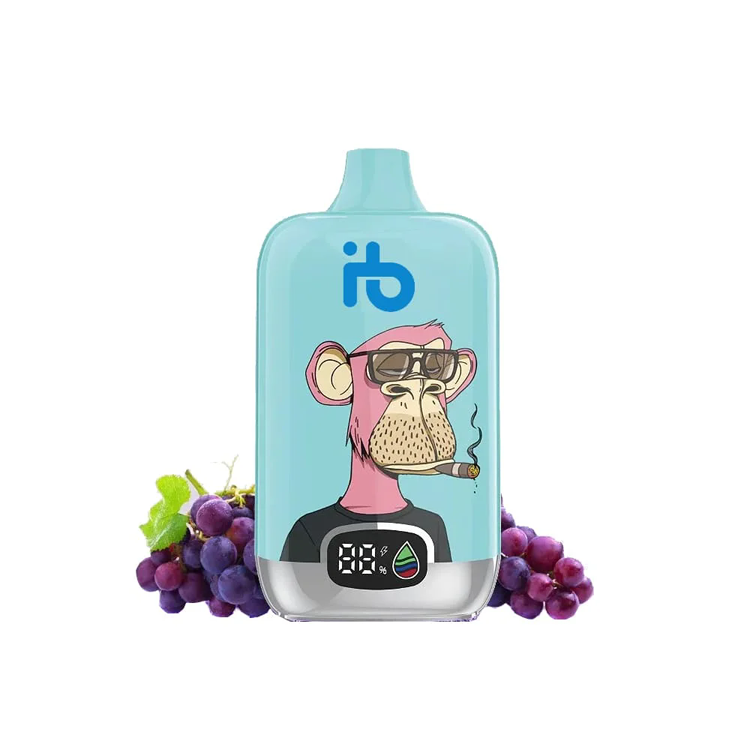
What are the most common e-liquid flavors?
Popular e-liquid flavors include fruity options like strawberry, tropical mixes, dessert-like vanilla or chocolate, and classic tobacco tastes.
Understanding what is in an e-cigarette and its potential health impacts is crucial for users. Maintaining awareness and making informed choices can lead to healthier decisions when considering their use.