In recent years, the rise of legal e-cigarettes has ushered in a new era for smokers seeking alternatives to traditional tobacco products. With the growing demand, it’s essential to understand not only the safety aspects but also the potential benefits these devices might offer. As more countries revise their regulations to accommodate the use of e-cigarettes, it’s increasingly crucial for users to be informed about their options. Unlike traditional cigarettes, which involve combustion, e-cigarettes work by heating a liquid, commonly referred to as “e-liquid” or “vape juice,” to create an aerosol that users inhale.
An Overview of the Composition and Function of E-Cigarettes
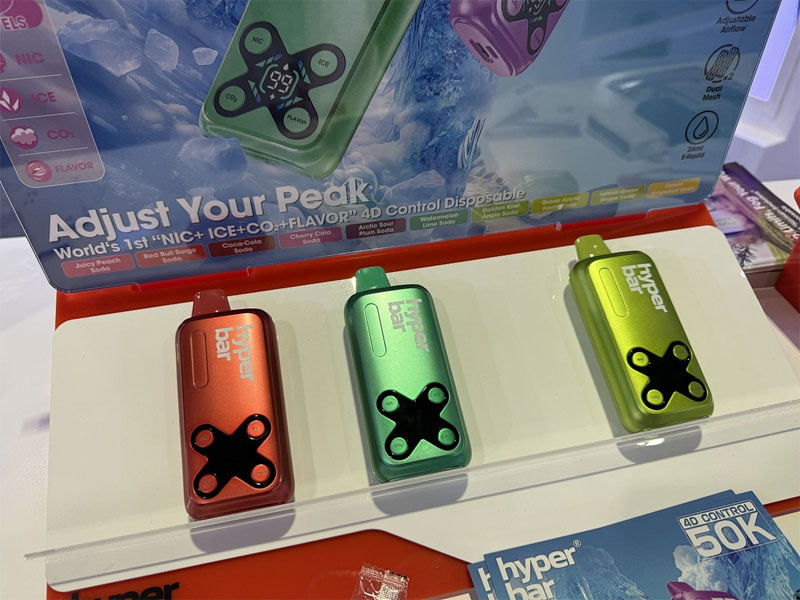
E-cigarettes typically consist of three main components: the battery, the atomizer, and the e-liquid cartridge. The battery powers the atomizer, which heats the e-liquid, turning it into vapor. Most e-liquids contain a combination of propylene glycol, vegetable glycerin, flavorings, and nicotine. Given that there is no combustion involved, the harmful tar and many chemicals from traditional cigarettes are absent in e-cigarettes, potentially reducing certain health risks associated with smoking.
Potential Benefits of Utilizing Legal E-Cigarettes
For smokers looking to quit or reduce their tobacco consumption, legal e-cigarettes might offer some advantages. Various studies propose that e-cigarettes may serve as effective smoking cessation tools. They offer smokers a familiar hand-to-mouth action and provide nicotine doses similar to cigarettes, potentially helping users manage nicotine withdrawal symptoms.
One of the main draws of using e-cigarettes is the reduction of harmful chemicals. Since e-cigarettes do not involve combustion, they are devoid of the harmful tar and many toxic chemicals produced when tobacco is burned. This characteristic could translate into a lesser risk of tobacco-related diseases. However, it’s crucial to note that while they can be a healthier alternative, e-cigarettes are not completely risk-free and should only be utilized as a smoking alternative by current smokers.
Legal Aspects and Considerations

The legality of e-cigarettes varies worldwide, and it’s imperative for users to stay updated with local regulations. In regions where they are legal, e-cigarettes are subject to regulations pertaining to their advertising, sale, and use. Many countries have embraced a regulatory framework that ensures product safety and limits youth access, acknowledging their potential as a tobacco harm reduction tool. Adhering to these regulations is vital for manufacturers to maintain trust and credibility with consumers.
The Safety of E-Cigarettes: What Does the Research Say?
Despite their popularity, health experts continue to research the long-term effects of vaping. Studies have shown that while e-cigarettes are generally considered less harmful than smoking traditional cigarettes, they are not without risks. The inhalation of certain flavoring compounds and the potential for nicotine addiction are important concerns. Continuous research is critical as it guides regulations and informs public health advice.
Smoking cessation is arguably the most significant benefit legal e-cigarettes offer. For many smokers, e-cigarettes have become a preferred option due to the myriad of flavors available and the ability to control nicotine levels. However, for non-smokers, especially youth, being aware of the addictive nature of nicotine-contained e-liquids is crucial.
FAQs About Legal E-Cigarettes
- Are legal e-cigarettes safer than traditional cigarettes? While they are generally considered to be less harmful due to the absence of tar and combustion-related chemicals, they are not entirely risk-free and should be used with caution.
- Can e-cigarettes help quit smoking? There is evidence suggesting e-cigarettes as effective smoking cessation aids, but they work best when part of a comprehensive quitting plan.
- What should consumers be wary of when buying e-cigarettes? It’s important to purchase from reputable sources, ensuring the products meet safety standards and comply with local regulations. Always check for authentication labels and understand the ingredients in the e-liquid.