Understanding E-cigarette Ingredients
E-cigarettes operate via a mechanism that vaporizes liquid, commonly known as e-liquid or vape juice. While water and flavoring are components, they are joined by other significant ingredients. Typically, these e-liquids contain propylene glycol (PG) and vegetable glycerin (VG), two main substances responsible for vapor production. These compounds are essential carriers for flavors and, surprisingly for some, nicotine.
Many consumers are unaware that nicotine is prevalent in most e-cigarettes unless marketed as nicotine-free. According to studies, even products labeled ‘nicotine-free’ might contain trace amounts. Manufacturers often include nicotine in varying concentrations tailored to consumer preferences, giving users control over their intake. This is a stark contrast to those who believe e-cigarettes serve merely as flavor enhancers.
Misleading marketing might portray e-cigarettes as harmless water and flavor dispensers, but the truth is nuanced.
Exploring the Role of PG and VG
Propylene glycol and vegetable glycerin form the backbone of e-liquid compositions.
- Propylene Glycol (PG) is a colorless, odorless liquid commonly used in food and pharmaceutical industries. In e-cigarettes, PG contributes to the throat hit that emulates smoking sensations.
- Vegetable Glycerin (VG) is a thicker, sweeter liquid derived from plant oils. VG is responsible for producing larger vapor clouds and provides a smoother taste.
The balance between PG and VG affects the vaping experience, flavor intensity, and vapor production. Brands offer various ratios to suit different user preferences, from a stronger throat hit to denser vapor clouds.
Flavor and Additives: More Than Meets the Eye
The flavor in e-cigarettes is crafted using food-grade additives, offering a wide array of options. From fruity blends to dessert-inspired treats, the variety is expansive. However, these flavorings may carry health implications. Certain additives, when heated, can release potentially harmful chemicals not inherently present at room temperature.
For instance, diacetyl, a flavoring agent safe for ingestion, has been linked to respiratory issues when inhaled. This poses questions about the safety of inhaling e-cigarette constituents, even if they seem benign.
Navigating Nicotine Content
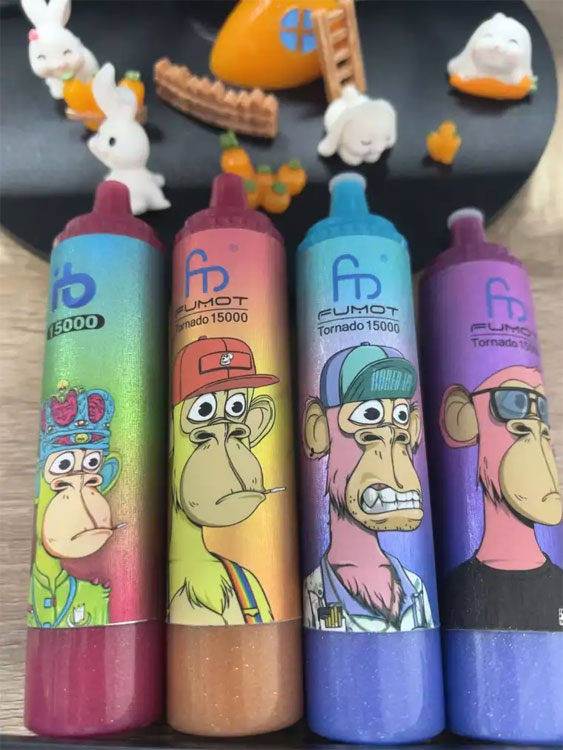
One of the main attractions of e-cigarettes is the adjustable nicotine levels, allowing users to taper off or maintain their nicotine consumption without the tar and carbon monoxide found in traditional cigarettes. However, studies have shown that inconsistent labeling exists, leading to varied actual nicotine levels versus advertised concentrations. Consumers seeking nicotine-free options must scrutinize brand authenticity and third-party testing.
Countering the Water and Flavoring Myth
Education on e-cigarette composition is vital for dispelling myths and informed usage. While water and flavoring are components, the inclusion of PG, VG, and nicotine constitutes a more complex picture. It’s crucial for users and potential users to review labels and research thoroughly to safeguard their health.
FAQs
What is the primary ingredient in e-cigarettes?
The primary ingredients include propylene glycol (PG), vegetable glycerin (VG), and often nicotine, along with flavor additives.
Can e-cigarettes be nicotine-free?
Yes, nicotine-free options are available, but users should verify product labeling accuracy for potential traces of nicotine.
Are e-cigarette flavors safe?
While made from food-grade ingredients, some flavoring components might release harmful substances when heated, prompting careful consideration.