As the use of e-cigarettes has become more prevalent, many have raised questions about their effects, particularly regarding breath odor. Do e-cigarettes make your breath smell? Let’s delve into this topic and uncover the implications of vaping on oral health and breath freshness.
An Overview of E-Cigarettes and Their Ingredients
The composition of e-cigarettes is one of the primary factors that might influence breath odor. Unlike traditional cigarettes, e-cigarettes use a liquid commonly referred to as e-liquid or vape juice, which typically contains nicotine, flavorings, and a base of propylene glycol or vegetable glycerin. These components evaporate into an aerosol that users inhale, and the residue can sometimes cling to the mouth and throat, potentially leading to breath issues.
Flavorings: A Double-Edged Sword
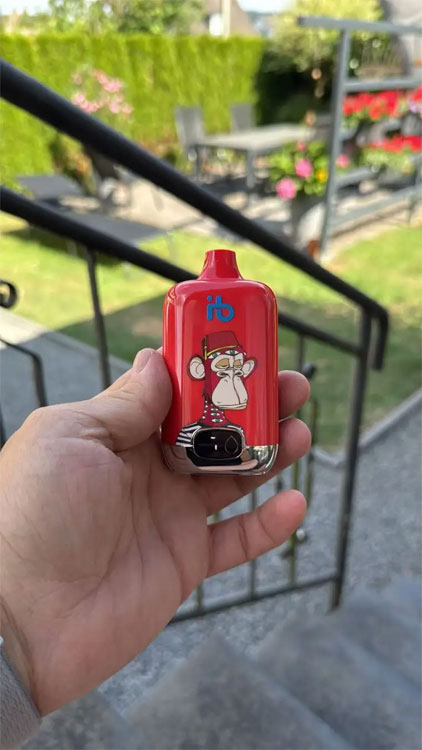
While flavorings in e-cigarettes can provide a pleasant experience for users, they might also contribute to unwanted breath odor. Sweet or fruity flavors may leave a residue that, when mixed with the natural bacteria in the mouth, can create unpleasant smells. Furthermore, some flavorings can cause dry mouth, a common culprit of bad breath as it reduces saliva production, which is necessary for cleaning the mouth and neutralizing acids.
The Role of Nicotine
Nicotine is known to reduce saliva flow, which can contribute to dry mouth. This dry environment is conducive to bacteria growth, thus potentially increasing the risk of halitosis, commonly known as bad breath. Do e-cigarettes contribute to dry mouth and bad breath? Yes, the nicotine in them can play a significant role in this issue.
Comparing E-Cigarettes to Traditional Tobacco Products
When examining whether e-cigarettes affect breath, it’s critical to compare them to traditional tobacco cigarettes. Conventional smoking is notorious for causing long-lasting bad breath due to tar and other chemicals that cling to the tissues in the mouth. While e-cigarettes do not produce tar, they still present risks for breath odor through nicotine and flavorings. However, many users perceive e-cigarettes to be less intrusive smell-wise compared to traditional options.
Maintenance and Oral Hygiene
Improving oral hygiene is essential for minimizing any adverse effects on breath from vaping. Regular brushing, flossing, and using mouthwash can help combat the drying effects of e-cigarettes and the resulting bacteria buildup. Additionally, staying hydrated helps maintain saliva flow, reducing the risk of dry mouth.
The Importance of Hydration
Proper hydration can be a simple yet effective remedy for combating bad breath, especially when vaping. Water intake helps produce sufficient saliva, helping rinse away food particles and reducing dryness. Moreover, those switching from smoking to vaping are encouraged to increase their water consumption substantially to offset the drying effects.
Conclusion
So, do e-cigarettes make your breath smell? They can contribute to breath issues primarily due to nicotine-induced dry mouth and residual flavorings. While vaping could be less odorous in comparison to traditional smoking, maintaining good oral hygiene practices plays a crucial role in managing breath problems. Enhancing daily oral care and increasing water intake can significantly alleviate these issues.
Frequently Asked Questions
Q1: Can e-cigarettes cause long-term oral health problems?

While not as extensively researched as traditional cigarettes, some studies suggest that prolonged use of e-cigarettes may lead to gum disease and tooth issues due to nicotine and dry mouth.
Q2: What flavors are most likely to cause bad breath?
Flavorings such as mint, menthol, and certain sweets might disguise bad odors temporarily but can lead to dry mouth and ultimately result in worse breath over time.
Q3: Are there e-liquids that don’t cause bad breath?
No e-liquid completely prevents bad breath; opting for those with lower nicotine levels might reduce the risk, but attention to oral hygiene is still critical.