The rise of electronic cigarettes has introduced a new form of smoking: the electronic cigarette water vapor. Unlike traditional tobacco cigarettes that produce smoke through burning, e-cigarettes utilize a mechanism that heats a liquid, typically containing nicotine, flavorings, and other chemicals, to produce vapor for inhalation. This article will explore the truth behind this vapor, discussing its composition, potential health impacts, and the ongoing debates within the scientific community.
The Composition of E-Cigarette Vapor
At first glance, one might assume the vapor emanating from an electronic cigarette is merely water vapor. However, this is a common misconception. The vapor is actually an aerosol containing tiny particles of the liquid solution heated by the e-cigarette. This solution, commonly referred to as e-liquid or vape juice, is composed of several key ingredients:
- Propylene Glycol (PG): This is a commonly used additive in food, medicine, and cosmetics. It acts as a carrier for the flavors and nicotine.
- Vegetable Glycerin (VG): A thicker liquid compared to PG, VG is responsible for producing denser vapor clouds.
- Nicotine: The addictive substance naturally found in tobacco plants, included in varying concentrations.
- Flavorings: Food-grade chemicals used to create a wide array of flavors.
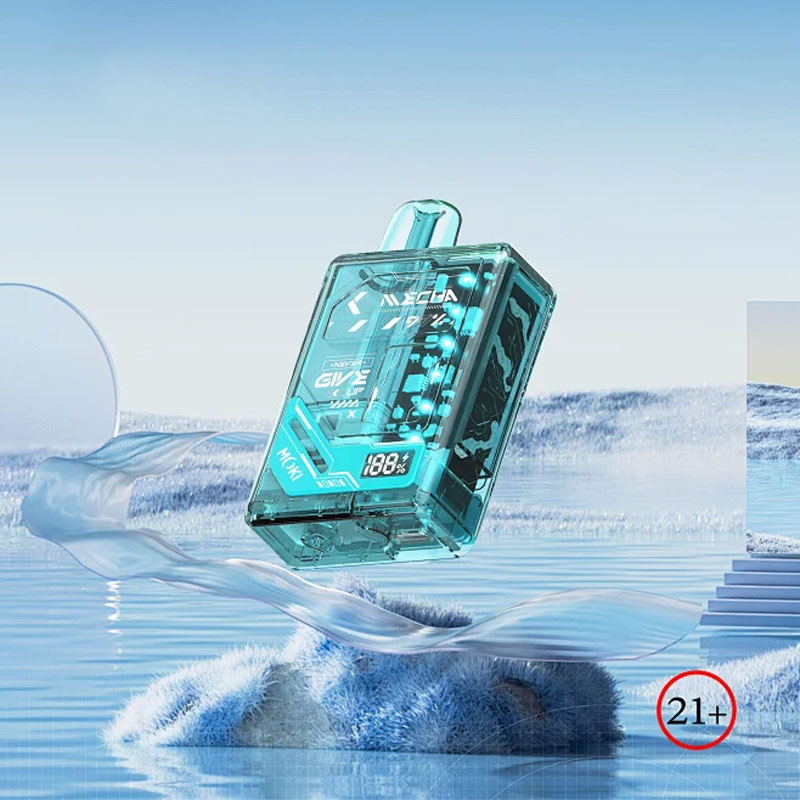

Health Implications of Inhaling Vape Aerosols
Though promoted as a healthier alternative to traditional smoking, the long-term health effects of inhaling e-cigarette water vapor are not fully understood. Initial studies suggest a mixed bag of results. On the one hand, e-cigarettes are likely less harmful than combustible cigarettes as they contain fewer toxic chemicals. On the other hand, they are not without risks. Exposure to nicotine through e-cigarette vapor can lead to addiction and could have detrimental effects on adolescent brain development.
The Role of Flavorings and Additives
One of the major concerns regarding the safety of e-cigarette vapor is the presence of flavorings and other additives. While these are generally recognized as safe for ingestion, their effects when inhaled are not well-documented. Some studies have found that certain flavorings, especially those related to buttery or creamy flavors like diacetyl, can be harmful to the lungs when vaporized.
Recent research has shown potential links between flavored vapes and respiratory issues, highlighting the need for more comprehensive studies to understand the full spectrum of health implications.
The Debate Continues
As the popularity of vaping increases, so does the debate surrounding its safety. Health organizations and regulatory bodies worldwide are scrutinizing the potential impacts of e-cigarette vapor on both individual and public health. Policies are being developed to restrict youth access and control the marketing and sale of e-cigarettes.
Environmental Impact
Another dimension often overlooked in public discussions is the environmental impact of e-cigarettes. Unlike traditional cigarettes whose butts are a notorious environmental pollutant, e-cigarettes have their own issues, such as battery disposal and e-waste, which pose a different environmental challenge.
In conclusion, while the true nature and effects of electronic cigarette water vapor continue to unfold, understanding its components and monitoring research outcomes is essential for informed decision-making. Balancing individual choices, regulatory measures, and scientific findings will help society navigate the challenges posed by this modern alternative to smoking.