The question of whether e-cigarettes contain tobacco is a common one. To understand this query, we must delve into what e-cigarettes comprise and the distinctions between traditional cigarettes and their electronic counterparts. E-cigarettes are designed to provide an alternative to traditional smoking by heating a liquid to create vapor. This process differs significantly from burning tobacco, which is utilized in conventional cigarettes. Indeed, e-cigarettes do not carry tobacco leaves or any of its organic compounds. Instead, they feature a liquid known as e-liquid or vape juice, which typically includes nicotine, flavorings, and other chemicals. This nicotine is often derived from tobacco plants, but it is isolated from actual tobacco leaves.
Understanding E-liquid Components
The primary constituents of e-liquid are propylene glycol (PG) and vegetable glycerin (VG), which serve as the base to which nicotine and flavors are added. These substances are used to create the vapor inhaled by users. PG and VG are generally recognized as safe for consumption, although debates about the health implications of inhaling them over the long term continue. Many users appreciate the rich variety of flavors available, which can range from fruit to dessert and even cocktail-inspired assortments. While the presence of nicotine ties e-cigarettes to tobacco, the absence of direct tobacco components positions them differently in the realm of smoking alternatives.
E-cigarettes vs. Traditional Cigarettes

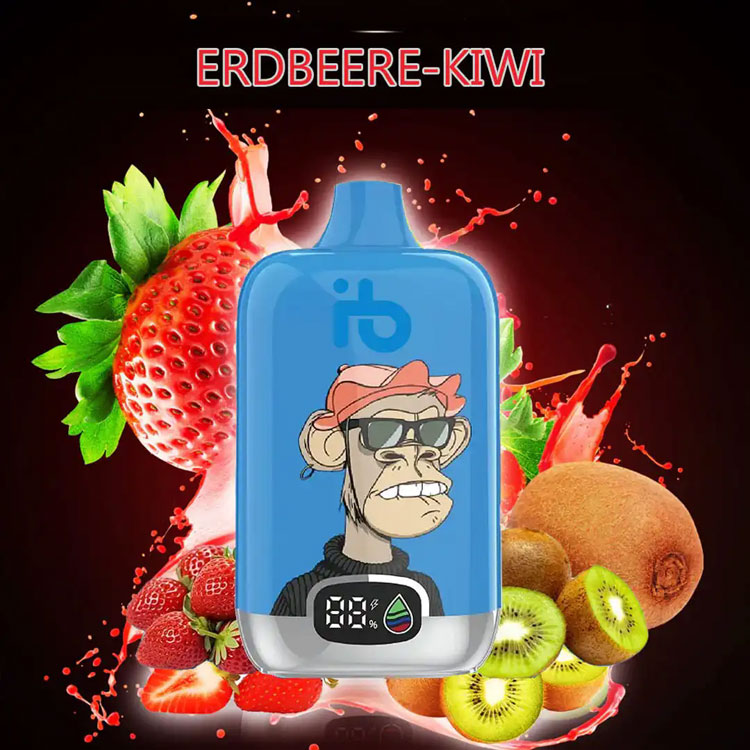
Understanding the divergence between e-cigarettes and traditional cigarettes is pivotal. Traditional cigarettes involve the combustion of tobacco, releasing tar, carbon monoxide, and thousands of other harmful chemicals. These by-products contribute to various health issues, from respiratory problems to cancer. In contrast, e-cigarettes, while not devoid of potential health risks, do not release these harmful substances in the same way. The nicotine derived from tobacco is the common element between the two, but e-cigarettes eliminate the combustion process, substantially reducing exposure to the hazardous by-products of smoking.
The Nicotine Aspect: Source and Impact
Nicotine remains the primary addictive substance in smoking products. In e-cigarettes, nicotine is often extracted from tobacco leaves, although it does not carry other tobacco components. Its effects range from stimulating the nervous system to increasing heart rate, which are similar irrespective of whether consumed through e-cigarettes or conventional smoking means. However, the absence of other tobacco constituents does offer a potentially less harmful alternative for individuals seeking nicotine delivery without the severe repercussions of combustion-related substances.
Q: Are e-cigarettes a tobacco-free alternative? A: While e-cigarettes do not contain actual tobacco leaves, they utilize nicotine derived from tobacco plants. Therefore, while they might be considered tobacco-free in a physical sense, their relationship with nicotine binds them to the tobacco concept.
Q: Can e-cigarettes be a cessation tool? A: E-cigarettes provide an avenue for smokers to potentially reduce their intake of tobacco-related products. By delivering nicotine in a manner that does not involve combustion, they offer an alternative that some find helpful in transitioning away from traditional smoking.

Q: Are e-cigarettes safe? A: The safety of e-cigarettes is subject to ongoing research. Although they may present fewer risks compared to conventional cigarettes, concerns about long-term health effects persist, necessitating further studies to fully understand their implications.