Electronic cigarettes, commonly known as e-cigarettes, have gained popularity as an alternative to traditional smoking. However, the question arises: is vapor from e-cigarettes harmful? Understanding the composition and effects of this vapor is crucial for smokers and non-smokers alike.
Composition of E-Cigarette Vapor
Unlike traditional cigarettes, e-cigarettes operate by heating a liquid called e-liquid or vape juice. This juice typically contains a combination of propylene glycol, glycerin, nicotine, and flavoring agents. When heated, these components turn into an aerosol, commonly referred to as vapor. Despite being perceived as less harmful than cigarette smoke, this vapor is not completely risk-free.
Exposure to Chemicals
E-cigarette vapor contains various chemicals and compounds that users inhale. Scientists have identified harmful substances such as formaldehyde, acetaldehyde, and acrolein in the vapor. These chemicals are known for their potential to irritate the respiratory system and, in some cases, contribute to more severe health issues.
Health Impact of E-Cigarette Vapor
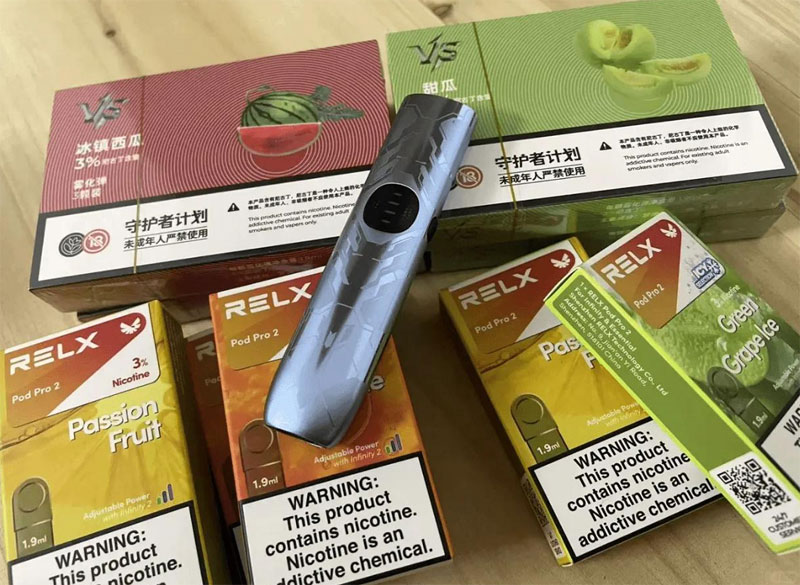
While proponents argue that e-cigarettes are safer than smoking, the potential risks of inhalation remain a concern. Studies suggest that the aerosol may negatively affect lung health, lead to inflammation, and impact cardiovascular health. Additionally, nicotine exposure through e-cigarettes can be addictive and harmful to brain development in adolescents.
Second-Hand Vapor
Second-hand vapor, the emission released into the environment when a user exhales, can also pose risks. Non-users, particularly children and pregnant women, are advised to avoid exposure due to the presence of nicotine and other hazardous substances in the vapor. The long-term health effects of second-hand e-cigarette vapor are still being researched.

Comparisons with Tobacco Smoke
While e-cigarettes contain fewer toxic substances than traditional cigarettes, they are not completely devoid of risks. Tobacco combustion releases tar, carbon monoxide, and a myriad of harmful chemicals not present in e-cigarette vapor. Nevertheless, the presence of nicotine and other irritants in vapor makes it less than entirely safe.
Regulating the Use of E-Cigarettes
Many countries have started to regulate the production, sale, and use of e-cigarettes, focusing on ingredient transparency and quality control. Such regulations aim to ensure that consumers are aware of what they are inhaling and to minimize health risks. Public health campaigns also highlight the importance of informed choices when it comes to the use of vaping products.
User Awareness and Education
Educating users about the potential risks associated with e-cigarette vapor and second-hand exposure is essential. Individuals seeking to quit smoking are encouraged to weigh the benefits and drawbacks of e-cigarettes and explore a range of cessation methods. Healthcare providers play a pivotal role in educating patients and advocating for safer alternatives.
Conclusion
The question is vapor from e-cigarettes harmful does not have a simple yes or no answer. While e-cigarettes may offer a less harmful alternative to smoking, the presence of harmful chemicals and potential health risks cannot be entirely dismissed. As research continues to evolve, users should remain cautious and informed.
FAQs
Q: Can e-cigarette vapor cause cancer?
A: Current evidence suggests that e-cigarette vapor contains carcinogenic chemicals, but the cancer risk is lower compared to traditional cigarettes.
Q: Are there safe levels of exposure to e-cigarette vapor?
A: Safe levels of exposure have not been definitively established, and avoiding exposure, particularly for non-smokers, is recommended.
Q: How can I reduce the risks associated with vaping?
A: Consider using regulated e-cigarettes with verified ingredient lists, avoid second-hand exposure, and explore alternative smoking cessation methods.