Traveling with e-cigarettes has become increasingly common as vaping enthusiasts seek ways to enjoy their devices legally and safely during flights. Understanding the rules regarding e-cigarette use on airplanes can help travelers avoid potential issues and ensure a hassle-free experience.
The first thing passengers should be aware of is that the use of e-cigarettes is typically prohibited on airplanes. Airlines follow strict regulations regarding smoking and vaping to maintain a safe and healthy environment. The smoking ban extends to e-cigarettes, regardless of the fact that they do not produce traditional smoke. The underlying reason is the vapor they emit could still pose discomfort or potential health risks to other passengers and crew.
Can You Carry E-cigarettes on a Plane?
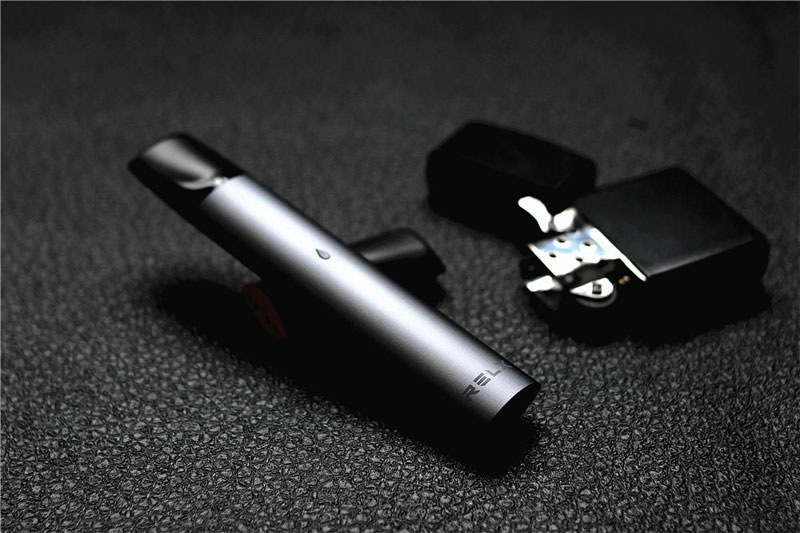
While using e-cigarettes is not permitted onboard, you can bring them with you in your carry-on luggage. The Transportation Security Administration (TSA) has specific guidelines regarding electronic smoking devices, classifying them similar to other electronic gadgets. E-cigarettes are allowed in carry-on bags but not in checked luggage because lithium batteries present a fire hazard. It is advisable to keep them easily accessible, as you may be required to remove them during security screening.
What About E-liquids?
Travelers ought to know the rules regarding e-liquids. These liquids must comply with TSA’s regulations concerning liquids and gels, necessitating storage in containers not exceeding 3.4 ounces (100 milliliters), placed inside a quart-sized, clear, resealable plastic bag. Sticking to these guidelines will help avoid unnecessary delays during the security check.
- Always pack e-liquids following TSA rules.
- Check airline-specific policies for any additional guidelines.
- Remember, international flights might have different regulations.
Airline Policies on E-cigarettes
Different airlines may have varying rules surrounding the transportation of e-cigarettes. It is recommended to check directly with the airline prior to your flight to understand their specific policies. Some airlines enforce stricter regulations than others and might have additional requirements, such as the placement or packaging of your vaping device and e-liquids.
Moreover, when traveling internationally, be cautious of local regulations at your destination. Some countries have stringent laws regarding e-cigarette importation, sometimes banning them entirely.
In-Flight Etiquette for Vapers
Even if you are traveling with e-cigarettes, remember to respect the rules and fellow passengers. Ignoring restrictions can result in penalties. Always put passenger comfort and aviation safety first.
Conclusion
Navigating the complexities of e-cigarette regulations on airplanes involves being mindful of not only airline policies but also international laws. Verify the requirements with airlines and recognize the legal nuances of each destination to ensure a smooth and lawful journey. Proper planning will help to circumvent unnecessary complications while traveling.
FAQs
- Q: Can I use my e-cigarette in airport terminals?
A: This depends on the airport. Some have designated smoking areas where vaping is allowed. Always check signage and adhere to local policies.
- Q: Why are e-cigarettes banned on flights if they don’t produce smoke?
A: Airlines prioritize passenger safety and comfort. Vapors can still irritate or alarm fellow passengers.
- How should e-cigarettes be stored in carry-on luggage?
Ensure devices are powered off and prevent accidental activation. Store them securely to avoid damage during travel.