In the realm of smoking alternatives, understanding the nicotine levels is crucial for making informed choices. Traditional cigarettes and e-liquids, used in vaping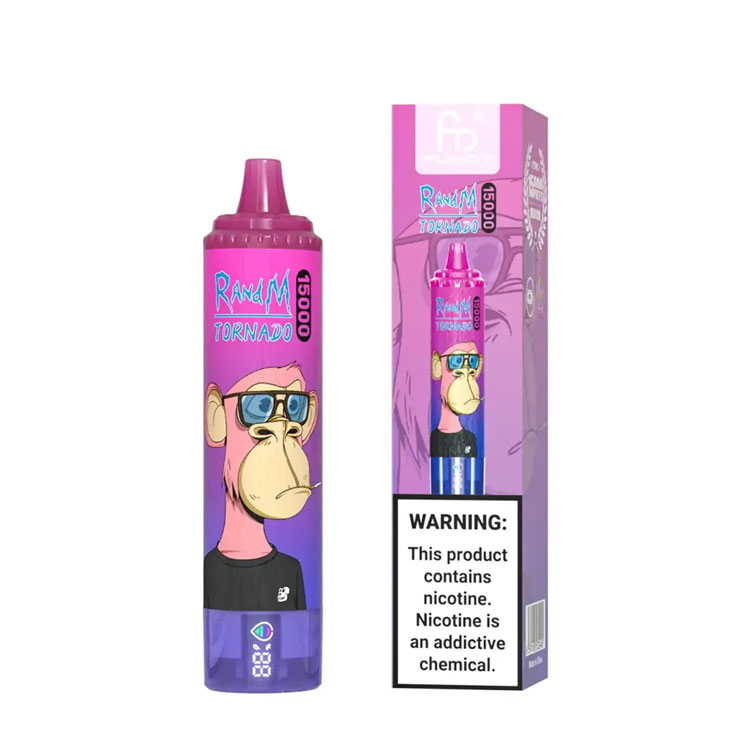 devices, deliver nicotine but in differing amounts and methods. This article delves into the key differences between e-liquid nicotine levels and cigarettes to offer a comprehensive understanding.
Breaking Down Nicotine Levels in Cigarettes
Cigarettes come with varied nicotine strengths. On average, a single cigarette contains 8 to 20 milligrams of nicotine, yet a smoker typically absorbs about 1 to 2 milligrams per cigarette due to the burn-off and filtered inhalation. These levels can fluctuate based on brand and smoking style, often leading to an estimated consumption of 10 to 40 milligrams daily for an average smoker.
Understanding E-Liquid Nicotine Levels
On the flip side, e-liquids offer a range of nicotine concentrations, usually measured in milligrams per milliliter (mg/mL). Common strengths include 3mg/mL, 6mg/mL, 12mg/mL, and higher. This flexibility allows vapers to control their nicotine intake more accurately compared to traditional smoking.
Effect of Vaping on Nicotine Delivery
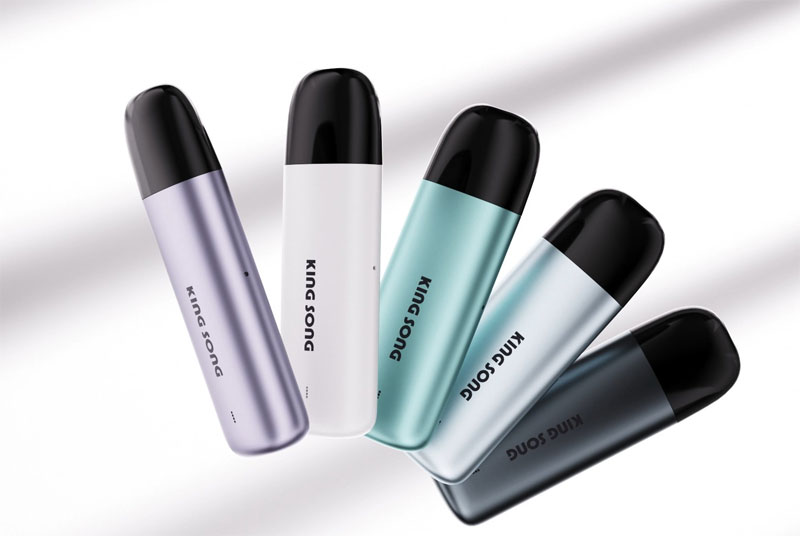
The mechanism of vaping differs as it involves vaporizing the e-liquid with a coil instead of combustion. This affects the delivery speed and absorption of nicotine. While vaping can mimic the throat hit experienced with cigarettes, the absorption rate may be slower.
Key Differences and Considerations
- Consistency: E-liquids allow for consistent nicotine levels, whereas cigarette content may vary between brands.
- Customization: Vapers can customize their experience with varied strengths and flavors, often unavailable in cigarette options.
- Health Concerns: Paradoxically, while both carry health risks, e-cigarettes are often marketed with the premise of being less harmful alternatives.
For those transitioning from smoking to vaping, understanding these differences is vital to tailor an experience that satisfies nicotine cravings without excessive intake.
Choosing the Right Nicotine Level
Selecting the correct e-liquid nicotine strength depends on your previous cigarette consumption. For light smokers, a 3mg/mL strength might suffice, whereas heavy smokers may find 18mg/mL necessary to curb cravings. Gradual reduction is often recommended for those aiming to decrease nicotine dependency.
“Customization is key in vaping, allowing users to adjust nicotine to match their preferences.”
Potential Health Implications
Although e-cigarettes are perceived to be safer, they are not devoid of risks. Nicotine is an addictive substance, and the long-term effects of inhaling vaporized chemicals are still under investigation. Balancing enjoyment and safety is critical for vapers.
Conclusion
Understanding the differences between nicotine in cigarettes and e-liquids is not just about numbers. It’s about forging a path towards healthier habits, knowing when to draw the line, and embracing technologies that potentially reduce harm.
FAQs
Is vaping more cost-effective than smoking?
Although the initial cost of e-cigarettes might be high, long-term use can be more affordable due to the lower priced refills compared to cigarettes.
Can I start with a zero-nicotine e-liquid?
Yes, zero-nicotine e-liquids are available for those choosing to quit nicotine entirely or want the sensation without the substance.
How can I measure my nicotine intake accurately?
Calculate based on the mg/mL of your e-liquid and your vaping frequency. Many vapers adjust their device settings to manage intake more precisely.